CM Fadnavis visits Narkhed, pledges drought relief for villages
Synopsis
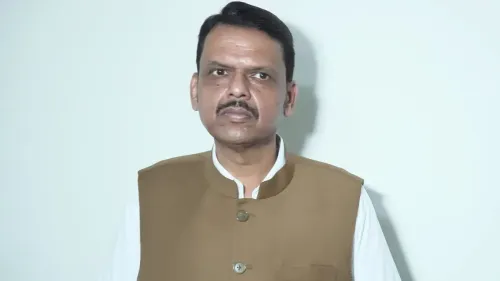
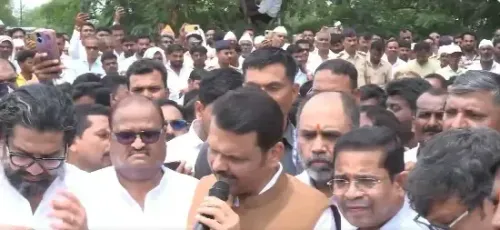
Chief Minister Devendra Fadnavis visited Lohri Savanga in Nagpur district's Narkhed taluka on November 8, 2026, meeting local representatives amid drought conditions and promising full state support for water conservation, drinking water supply, and fodder relief.
Key Takeaways
CM Devendra Fadnavis visited Lohri Savanga , Narkhed taluka , Nagpur district on November 8, 2026 .
He held a direct dialogue with sarpanchs and local elected representatives on drought-related challenges.
The CM pledged complete government cooperation for villages that take initiative on drinking-water and fodder problems.
Water-conservation works will be taken up on a 'priority basis', per the CM's assurance.
Minister Chandrashekhar Bawankule and MLA Dr.
Ashish Deshmukh were present, signalling regional political ownership.
The visit echoes the logic of the Jalyukt Shivar Abhiyan (launched 2015 ), which aimed to make Maharashtra villages drought-free through decentralised water harvesting.
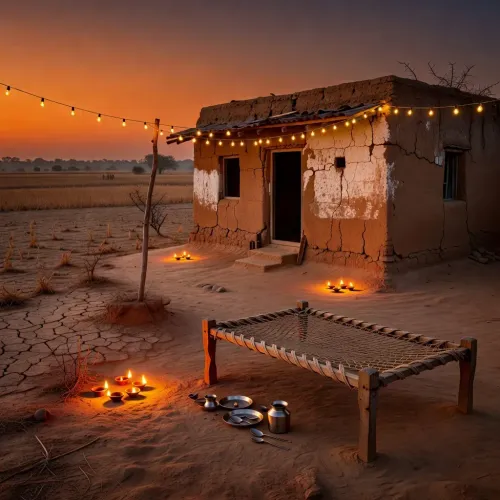
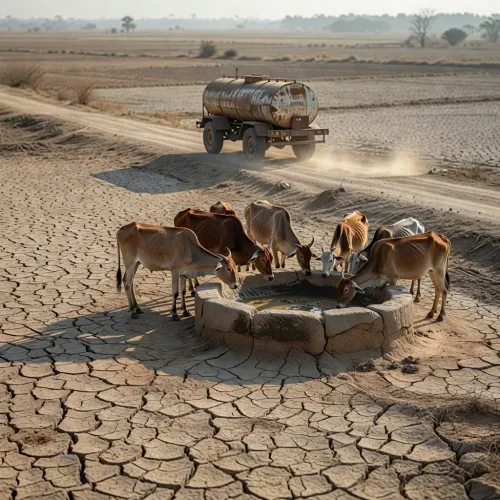
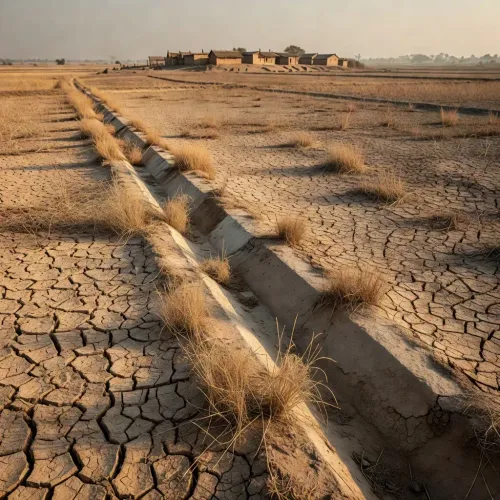
Drought is not an abstraction in Narkhed taluka — it is a cracked well, a hungry animal, a sarpanch who has run out of answers. Chief Minister Devendra Fadnavis travelled to Lohri Savanga village in Nagpur district on Sunday, November 8, 2026, to hear those answers directly from the people closest to the problem.
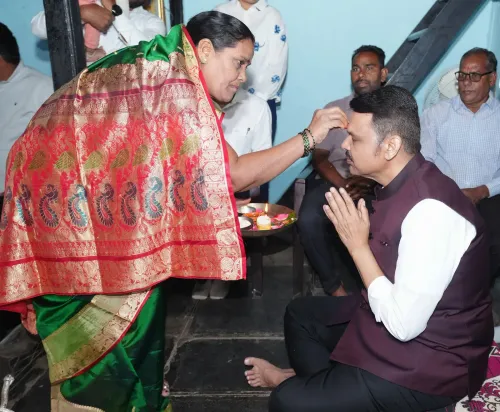
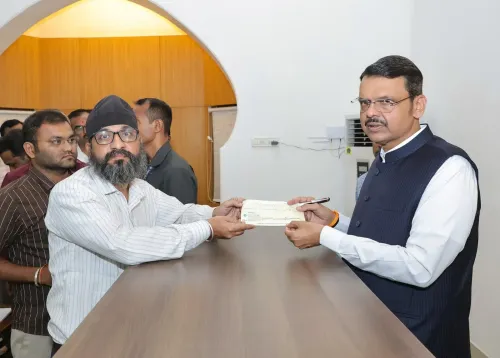
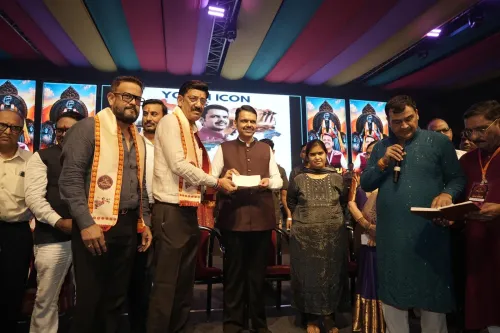
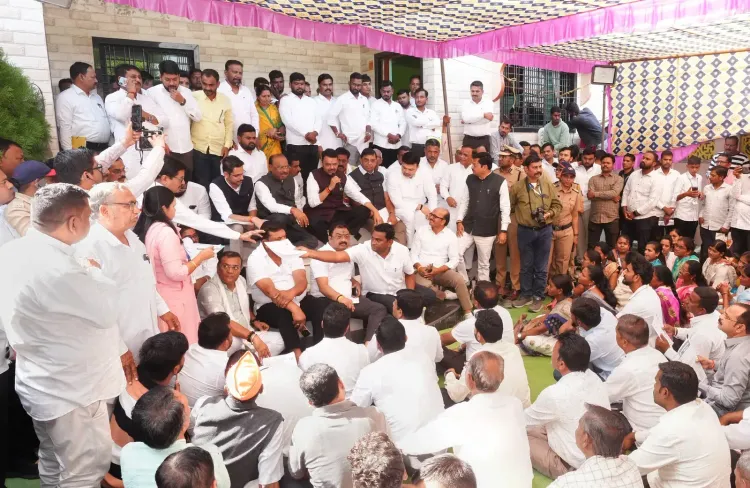
The Chief Minister's Office of Maharashtra shared that CM Fadnavis held a structured dialogue with local elected representatives — sarpanchs and gram panchayat leaders — on three interlinked crises: drinking water shortages in villages, fodder scarcity for livestock, and the urgent need for water-conservation works. The visit came under the hashtag #DiwaliWithFarmers, signalling an intent to keep rural welfare central to the post-Diwali political agenda.
What sarpanchs said — and what Fadnavis promised
CM Fadnavis expressed satisfaction that local representatives were actively working on drinking-water and fodder issues despite drought conditions, according to the official post. He gave a clear assurance: every concern raised by sarpanchs would receive positive consideration, and villages that take initiative on water and fodder problems will receive 'complete government cooperation.' Water-conservation works, he pledged, would be taken up on a priority basis.
The commitment is significant in its specificity — it ties state support to local initiative, nudging gram panchayats to lead rather than wait. Minister Chandrashekhar Bawankule and MLA Dr. Ashish Deshmukh, both from the Nagpur region, were present at the meeting, signalling multi-tier political ownership of the drought response.
Vidarbha's drought cycle and the policy history behind this visit
Nagpur district lies in Vidarbha, Maharashtra's eastern agricultural belt, which has faced recurring drought conditions for well over a decade. The state has historically responded with drinking-water tankers, fodder camps, and watershed schemes — but the scale of recurrence has pushed successive governments toward more structural, decentralised solutions.
The Jalyukt Shivar Abhiyan, launched in 2015 during Fadnavis's first tenure as Chief Minister, was designed to do exactly that — make Maharashtra villages drought-free through water-harvesting structures, desilting of streams, and watershed development. The current visit, with its emphasis on jalsandharanachi kame (water-conservation works), echoes that programme's logic: build local water resilience rather than manage annual crises.
What comes next for Narkhed
Direct CM-level engagement with local representatives on drought issues has, in the past, often preceded targeted fund releases or accelerated scheme sanctions for affected talukas. Observers watching the Nagpur region will be tracking whether Narkhed taluka receives specific project approvals — particularly for water-conservation structures — in the winter session of the Maharashtra assembly. The presence of both a cabinet minister and a local MLA at the meeting suggests the political bandwidth to push approvals quickly if the administration follows through.
For the sarpanchs of Lohri Savanga, the question is not whether the Chief Minister listened. He did. The question is whether the well fills up before the next summer.
Point of View
Where decentralised water management has been a recurring policy priority since the Jalyukt Shivar years. Tying state support to local initiative is a smart political architecture: it rewards proactive gram panchayats while distributing accountability downward. The winter assembly session will test whether this outreach translates into concrete project sanctions for Narkhed, or remains a well-photographed promise.
NationPress
8 Nov 2026
Frequently Asked Questions
Why did CM Fadnavis visit Lohri Savanga in Nagpur?
CM Devendra Fadnavis visited Lohri Savanga in Narkhed taluka, Nagpur district on November 8, 2026 to meet local elected representatives and discuss drought-related issues including drinking water shortages, livestock fodder scarcity, and water-conservation needs in the region.
What did CM Fadnavis promise to drought-affected villages in Nagpur?
CM Fadnavis assured that villages taking initiative on drinking water and fodder problems will receive full state government cooperation, and that water-conservation works will be prioritised in the affected areas.
What is Jalyukt Shivar Abhiyan and how is it relevant?
Jalyukt Shivar Abhiyan is a Maharashtra government scheme launched in 2015 during Fadnavis's first term as Chief Minister, aimed at making villages drought-free through watershed development and water-harvesting structures. The current emphasis on water conservation in Narkhed aligns with the same policy approach.
Which ministers were present at the Lohri Savanga meeting?
Cabinet Minister Chandrashekhar Bawankule and MLA Dr. Ashish Deshmukh from the Nagpur region were present at the meeting alongside CM Fadnavis.
What are the main drought problems in Narkhed taluka, Nagpur?
Narkhed taluka in Nagpur district, part of Maharashtra's Vidarbha region, faces recurrent drought conditions marked by drinking water shortages in villages, inadequate fodder for livestock, and insufficient water-conservation infrastructure.