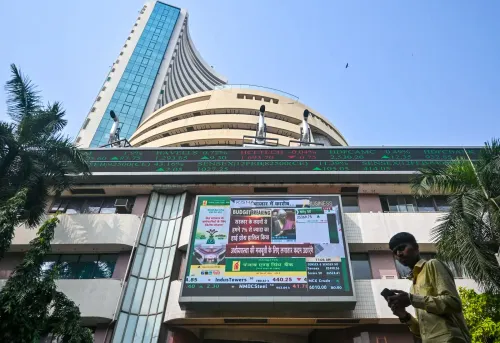
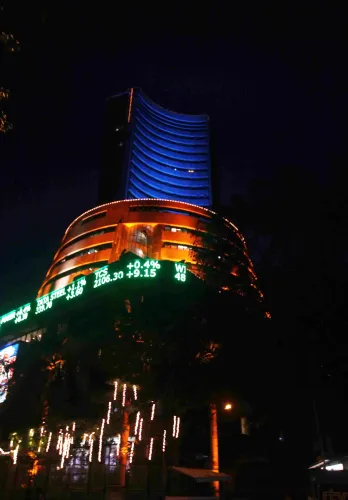
Sensex gains 250 points, Nifty up 40 as Muhurat Trading kicks off Samvat 2083
Synopsis
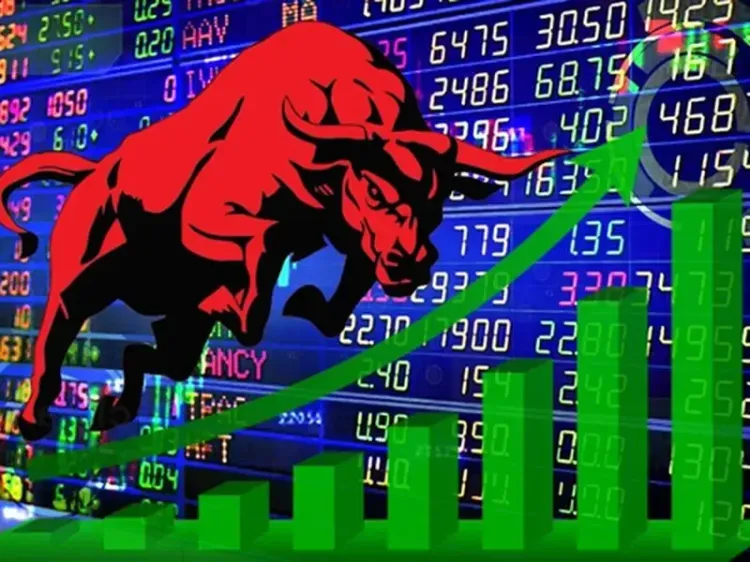
Indian markets kicked off Samvat 2083 with a ceremonial bang — Sensex up 250 points and Nifty up 40 at the Muhurat Trading bell on 8 November. The symbolic session follows Nifty’s best weekly performance in nearly six years, setting an optimistic tone even as analysts flag a likely shift from valuation-led to earnings-led returns in the year ahead.
Key Takeaways
Sensex gained around 250 points and Nifty advanced nearly 40 points at the Muhurat Trading open on 8 November 2026 .
The special session ran for 70 minutes , from 2:20 pm to 3:30 pm IST , with MCX observing the same hours.
Markets entered Samvat 2083 after Nifty’s strongest weekly gain in nearly six years , surging over 8% in the preceding week.
Both Sensex and Nifty extended their winning streak to seven consecutive sessions ahead of the Muhurat open.
Analysts expect earnings growth , not valuation expansion, to drive market returns through Samvat 2083 .
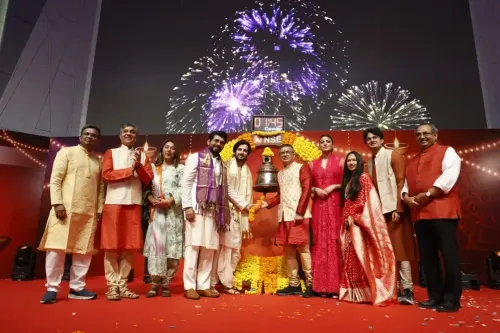
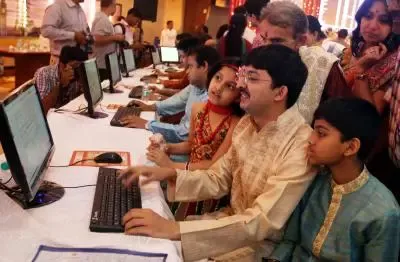
Indian equity benchmark indices opened on a bullish note during the special Muhurat Trading session on Sunday, 8 November 2026, with the BSE Sensex rising around 250 points and the Nifty advancing nearly 40 points at the opening bell at 2:20 pm IST. The session marks the ceremonial start of the Hindu calendar year Samvat 2083 for Indian financial markets.
How the Session Unfolded
The special 70-minute trading window ran from 2:20 pm to 3:30 pm IST. The Multi Commodity Exchange (MCX) observed the same trading hours, extending the auspicious session beyond equities to commodities as well. Both indices held their early gains through the abbreviated session, reflecting broad-based buying interest.
What Muhurat Trading Represents
Muhurat Trading is a decades-old tradition in the Indian stock market, observed on the occasion of Diwali. Investors widely regard the session as auspicious for initiating fresh positions, with the belief that buying stocks during this window ushers in prosperity and positive returns through the year ahead. For brokers and retail investors alike, it carries as much cultural weight as financial significance.
Market Momentum Heading Into Samvat 2083
The markets entered Samvat 2083 on a strong footing. The Nifty surged more than 8% over the preceding week — its strongest weekly gain in nearly six years — while both the Sensex and Nifty extended their winning streak to seven consecutive trading sessions. The momentum provided a constructive backdrop for the symbolic Muhurat open.
Analyst Outlook for the Year Ahead
Market experts expressed cautious optimism about the road ahead. “From a market perspective, we believe the outlook for the coming Samvat remains constructive, albeit with expectations of moderate and more selective returns,” analysts noted. They added that “earnings growth, rather than valuation expansion, is likely to be the primary driver of market performance going forward” — signalling a shift away from the liquidity-led rallies that characterised recent years toward fundamentals-driven gains.
Point of View
The longest winning streak in months, and a valuation picture that analysts are quietly flagging as stretched. The market enters Samvat 2083 riding momentum, but the analyst caution around ‘selective returns’ and earnings primacy is a coded warning that the easy, broad-based gains may be behind us. Whether this Diwali optimism survives the first serious earnings disappointment or macro shock will be the real test of Samvat 2083.
NationPress
8 Nov 2026
Frequently Asked Questions
What is Muhurat Trading and why does it matter?
Muhurat Trading is a special abbreviated trading session held on Diwali, marking the start of the Hindu financial new year. Indian investors consider it auspicious for initiating fresh equity positions, believing it brings prosperity through the year ahead. It is observed across the BSE, NSE, and MCX.
How did Sensex and Nifty perform during Muhurat Trading 2026?
The Sensex gained around 250 points and the Nifty advanced nearly 40 points at the opening bell of the Muhurat Trading session on 8 November 2026. The gains reflected broad bullish sentiment heading into Samvat 2083.
What is Samvat 2083?
Samvat 2083 is the Hindu calendar year that began on Diwali 2026. In the Indian stock market, the transition to a new Samvat is marked by the Muhurat Trading session, which symbolically opens the new financial year for investors.
What was the market performance leading up to Samvat 2083?
The Nifty surged more than 8% in the week before Muhurat Trading — its strongest weekly gain in nearly six years — while both the Sensex and Nifty extended a winning streak to seven consecutive sessions. It was the strongest run-up to a Muhurat session in recent memory.
What do analysts expect from the market in Samvat 2083?
Analysts have described the outlook as ‘constructive but selective,’ expecting moderate returns driven by earnings growth rather than valuation expansion. The cautious tone suggests the broad-based liquidity-driven rally may give way to more stock-specific performance in the year ahead.