Goyal shares Advani-Vajpayee anecdote linked to 'Phir Subah Hogi'
Synopsis
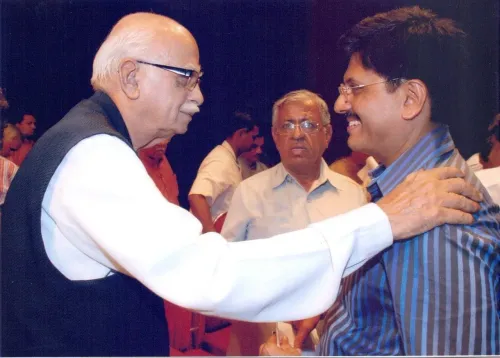
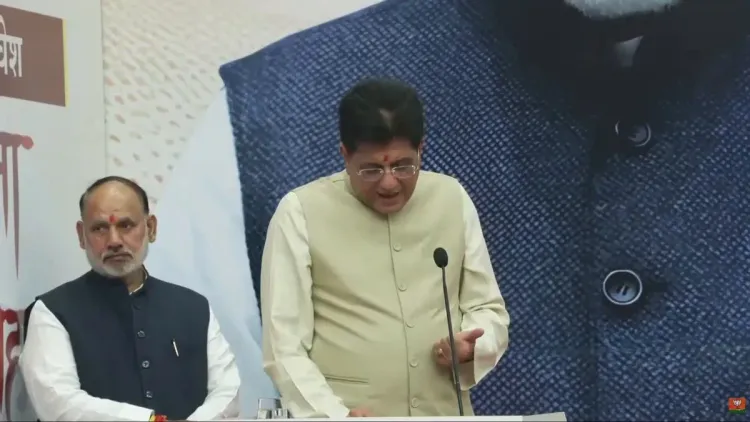
Commerce Minister Piyush Goyal shared a video on 8 November 2026 recounting an interesting anecdote linking BJP stalwarts L.K. Advani and Atal Bihari Vajpayee to the classic 1958 Hindi film 'Phir Subah Hogi', continuing a BJP tradition of honouring its founding generation.
Key Takeaways
Piyush Goyal shared a video on 8 November 2026 describing an anecdote connecting L.K.
Advani and Atal Bihari Vajpayee to the 1958 film 'Phir Subah Hogi' .
The film, directed by Ramesh Saigal and starring Raj Kapoor , is a classic of post-Independence Hindi cinema.
Advani served as Deputy Prime Minister and Home Minister; Vajpayee was Prime Minister from 1998 to 2004 .
BJP leaders regularly share personal stories about the party's founders to reinforce its ideological and cultural lineage.
Goyal described Advani as 'shraddhey' — venerable — reflecting the deep reverence still held for the senior leader within the party.
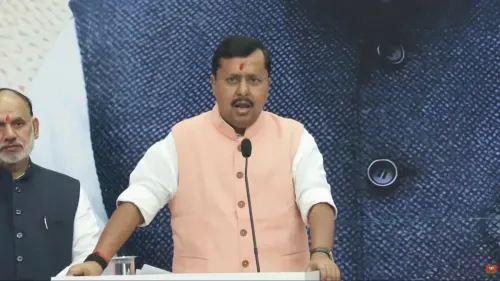
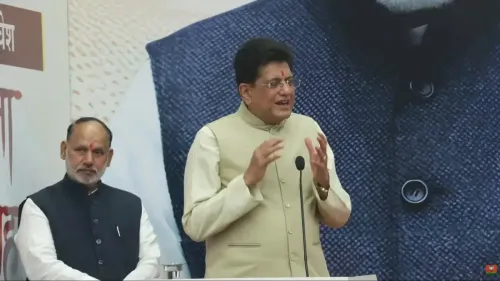
A decades-old Hindi film and two titans of Indian politics — Union Commerce and Industry Minister Piyush Goyal on Sunday, 8 November 2026, shared what he called an 'interesting anecdote' connecting the classic 1958 film 'Phir Subah Hogi' to BJP patriarch L.K. Advani and former Prime Minister Atal Bihari Vajpayee.
Goyal's post, written in Hindi, described the story as 'ek rochak kissa' — 'an interesting tale' — linking the film to both Advani, revered as 'shraddhey' (venerable), and the late Vajpayee. The minister did not detail the anecdote in the text itself, attaching a video that reportedly carries the full story.
'Phir Subah Hogi' and its place in Indian cultural memory
'Phir Subah Hogi' — literally, 'Morning Will Come Again' — was directed by Ramesh Saigal and starred Raj Kapoor. Released in 1958, the film is remembered as a social drama rooted in the idealism of post-Independence India, its title carrying the quiet optimism of a generation that believed sunrise was always possible after the darkest night.
That a film from that era intersects with the personal histories of Advani and Vajpayee — both young men building a political movement in the late 1950s — is itself a window into how closely the founding generation of the BJP's predecessor organisations lived alongside the cultural currents of their time.
BJP's tradition of keeping its founding generation alive
L.K. Advani, former Deputy Prime Minister and Home Minister, and Atal Bihari Vajpayee, who led India as Prime Minister from 1998 to 2004, remain the two most towering figures in BJP's institutional memory. Vajpayee, also celebrated as a poet, brought a literary and cultural sensibility to politics that made him a natural figure in stories touching cinema, verse, and public life.
Senior BJP leaders and ministers periodically surface personal anecdotes about this founding generation — a deliberate effort to draw a living thread between the party's current leadership and the men who built it. Goyal's post fits squarely into that tradition, offering followers a moment of warmth and historical texture rather than policy or politics.
When the giants of a movement become the subject of quiet, human stories shared on a Sunday afternoon, it is a reminder that history is not only made in Parliament — sometimes it lives in a film song, a shared memory, and the people who carried both forward.
Point of View
The post bridges political history with popular culture, making it more shareable and emotionally resonant. This pattern of 'soft tribute' content serves a dual purpose: honouring elders while reinforcing the party's claim to a continuous, values-driven lineage. It is heritage-building dressed as storytelling.
NationPress
8 Nov 2026
Frequently Asked Questions
What is the anecdote Piyush Goyal shared about Advani and Vajpayee?
Goyal shared a video describing an interesting story connecting L.K. Advani and Atal Bihari Vajpayee to the 1958 Hindi film 'Phir Subah Hogi'. The specific details of the anecdote are contained in the video attached to his post.
What is the film 'Phir Subah Hogi'?
'Phir Subah Hogi' is a 1958 Hindi film directed by Ramesh Saigal and starring Raj Kapoor. Its title translates to 'Morning Will Come Again' and it is considered a classic of post-Independence Indian cinema.
What was Atal Bihari Vajpayee known for?
Atal Bihari Vajpayee was Prime Minister of India from 1998 to 2004 and one of the BJP's founding leaders. He was also celebrated as a poet and orator with a deep connection to Indian literature and culture.
Why do BJP leaders often share anecdotes about Advani and Vajpayee?
BJP leaders periodically share personal stories about Advani and Vajpayee to highlight the party's ideological lineage and connect current leadership with the generation that built the organisation from the ground up.