Goyal: Armed Naxals gone, but 'intellectual Naxals' remain a threat
Synopsis
Commerce Minister Piyush Goyal declared on 8 November 2026 that armed Naxals have been defeated but warned that 'intellectual Naxals' still threaten national security, calling for their identification and defeat.
Key Takeaways
Union Minister Piyush Goyal posted on X on 8 November 2026 declaring that Naxals have been 'finished' but the threat has not fully passed.
He called for identifying and defeating 'intellectual Naxals' — a term the BJP has used since around 2018 for alleged urban ideological supporters of the Maoist insurgency.
The 'urban Naxal' framing first gained political prominence during the Bhima Koregaon case arrests.
Official data through the 2010s showed a steady decline in Naxal-affected districts across Chhattisgarh, Jharkhand, and Odisha .
As Leader of the House in the Rajya Sabha , Goyal's statement signals the party's intent to shift the internal-security debate from armed conflict to ideological counter-measures.
Civil-liberties groups and critics have consistently challenged the 'intellectual Naxal' label as potentially targeting legitimate dissent.
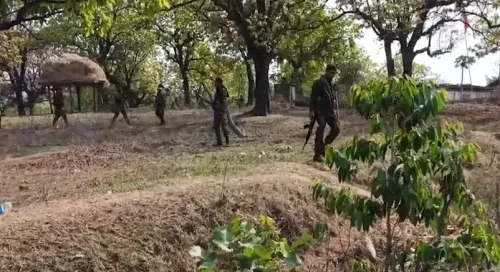
The guns may be quieter across India's Red Corridor, but Union Commerce and Industry Minister Piyush Goyal warned on Sunday, 8 November 2026 that the ideological battle against left-wing extremism is far from over — and that the next front is being fought in classrooms and drawing rooms, not jungles.
Posting on X, Goyal wrote in Hindi: 'Naksali khatam hue hain lekin khatra abhi tala nahin hai. Hume dimaagi Naksaliyon ki pehchaan karke paraast karna hai aur desh ko surakshit karna hai.' ('Naxals have been finished, but the threat has not yet passed. We must identify and defeat the intellectual Naxals and make the country safe.')
From the Red Corridor to the ideological battlefield
The term 'urban Naxal' entered India's political lexicon around 2018 during the controversy over arrests of activists linked to the Bhima Koregaon case, when the government argued that armed CPI (Maoist) cadres were receiving ideological cover and logistical support from urban networks. Since then, the phrase has become a fixture of the BJP's internal-security narrative — used to describe what the party frames as intellectuals, academics, and activists allegedly sympathetic to Maoist ideology without directly engaging in armed conflict.
Official data through the 2010s recorded a progressive decline in Naxal-affected districts, as the government combined kinetic security operations with infrastructure and development programmes across Chhattisgarh, Jharkhand, Odisha and neighbouring states. Goyal's statement implicitly builds on that claimed operational progress — asserting that the armed wing has been substantially neutralised — while arguing that the ideological infrastructure feeding it still requires active dismantling.
A message with political weight beyond security
As Leader of the House in the Rajya Sabha, Goyal's public statements carry weight that travels beyond social-media commentary. The framing — distinguishing between the violent cadre and their alleged 'intellectual' enablers — has critics and civil-liberties advocates deeply divided. Those backing the government's position argue that separating armed insurgency from its supporting ecosystem is essential to lasting security. Critics counter that the 'intellectual Naxal' label has at times been used to target legitimate dissent and academic inquiry, particularly involving tribal rights and forest governance.
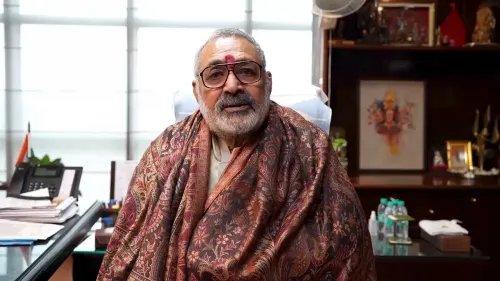
The post comes with a video attached — context not independently detailed here — but the verbal message is unambiguous: the minister believes the kinetic chapter is largely closed and that the next phase demands political and social vigilance rather than just security operations.
What security forces and tribal communities stand to gain — or lose
For the security forces who have operated in difficult terrain across the Red Corridor for decades, Goyal's framing offers a form of institutional recognition: that the ground-level campaign has delivered results. For tribal communities in those regions — long caught between Maoist demands and state crackdowns — the pivot toward ideological targeting raises questions about how such a campaign would be defined and prosecuted in practice.
India's internal-security establishment is watching closely for whether Goyal's statement precedes any formal parliamentary update on left-wing extremism policy or district-level security assessments when the winter session of Parliament convenes.
The battlefield has shifted, the minister is saying. The question now is who gets to draw its map.
Point of View
The BJP signals a phase-two narrative that moves the security conversation into cultural and ideological terrain. This aligns with a post-2014 policy arc that has consistently sought to link armed Maoism with its alleged intellectual support networks, keeping the issue politically live even as ground-level violence declines. The move hands the government a durable political argument that is simultaneously difficult to falsify and easy to widen — any ideological opposition can potentially be drawn under its umbrella, which is precisely why civil-liberties advocates remain on high alert.
NationPress
8 Nov 2026
Frequently Asked Questions
What did Piyush Goyal say about Naxals?
On 8 November 2026, Goyal posted that armed Naxals have been defeated but warned that 'intellectual Naxals' still pose a threat to India, calling for their identification and defeat to make the country safe.
What is an 'intellectual Naxal' or 'urban Naxal'?
The term refers to individuals — typically urban academics, activists, or intellectuals — whom the BJP government accuses of providing ideological cover or logistical support to the CPI (Maoist) insurgency without directly engaging in armed violence. The label became prominent around 2018 during the Bhima Koregaon case.
Has the Naxal insurgency actually ended in India?
Official government data recorded a significant reduction in Naxal-affected districts and violence levels over the 2010s, but independent security analysts note that residual CPI (Maoist) networks remain active in parts of Chhattisgarh, Jharkhand, and Odisha.
What is the Red Corridor?
The Red Corridor is a region spanning parts of central and eastern India — primarily Chhattisgarh, Jharkhand, and Odisha — historically affected by CPI (Maoist) left-wing extremist activity.
Why is Piyush Goyal's statement on Naxalism significant?
As Leader of the House in the Rajya Sabha and a senior BJP minister, Goyal's public framing of internal security signals the party's evolving political narrative — shifting focus from armed counter-insurgency to targeting alleged ideological enablers, which is likely to shape upcoming parliamentary discussions on left-wing extremism.