Shivraj flags 4 crore Lakhpati Didis, eyes 6 crore target
Synopsis
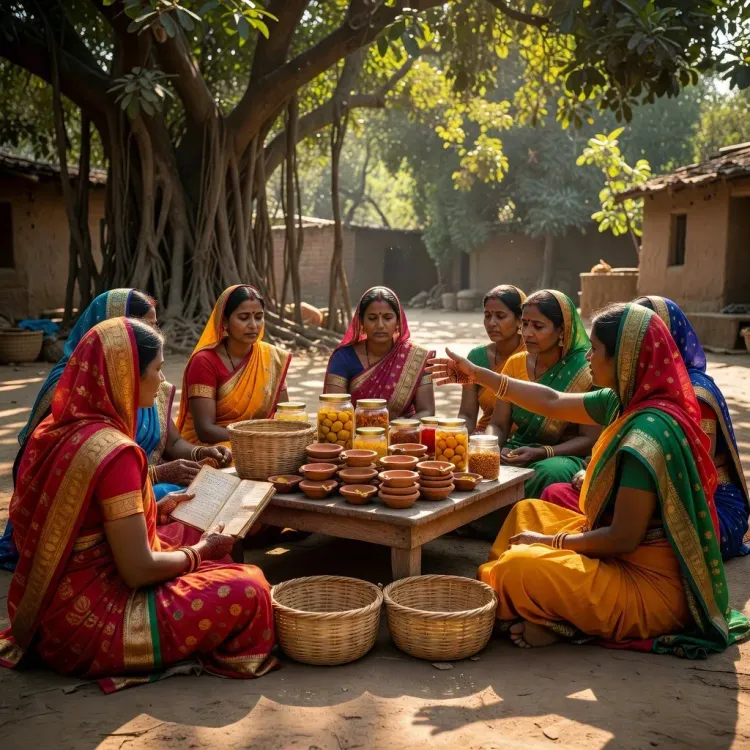
On Diwali 2026, Union Agriculture Minister Shivraj Singh Chouhan reported over 10 crore rural women in 92 lakh SHGs with ₹14.24 lakh crore in cumulative bank credit, nearly 4 crore Lakhpati Didis achieved, and pledged ₹11 lakh crore more credit over five years toward PM Modi's 6-crore target.
Key Takeaways
10 crore+ rural women are now linked to 92 lakh+ Self Help Groups under DAY-NRLM.
Cumulative bank credit to SHGs has reached ₹14.24 lakh crore since the mission's launch.
5.12 crore SHG women have received training in agriculture, horticulture, and livestock development.
1.50 crore women have established themselves as entrepreneurs in agricultural and non-agricultural sectors.
Nearly 4 crore women have attained Lakhpati Didi status (annual income of at least ₹1 lakh); PM Modi's target is 6 crore .
To reach the 6-crore goal, the government plans to extend ₹10 lakh crore in credit to SHGs and ₹1 lakh crore to individual women over the next five years .
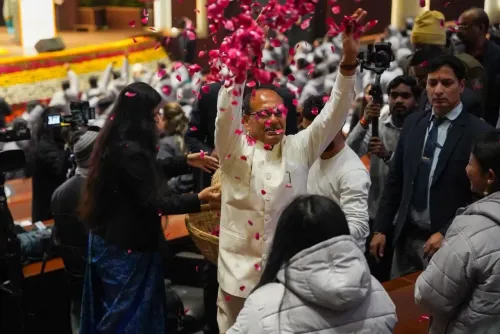
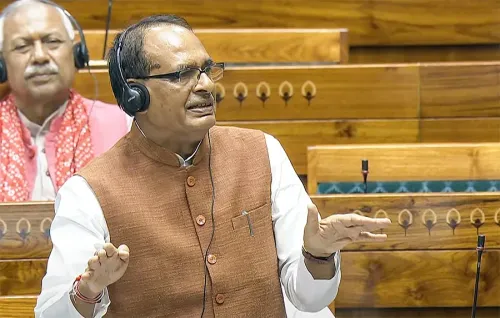
Sisters are the Lakshmi of the home — and this Diwali, Union Agriculture Minister Shivraj Singh Chouhan turned that sentiment into a scorecard. In a detailed post on Sunday, 8 November 2026, Chouhan laid out the scale of rural women's economic transformation under the government's self-help group mission, anchoring a Diwali greeting in hard numbers and a fresh credit pledge.
From savings circles to ₹14.24 lakh crore: the SHG arc
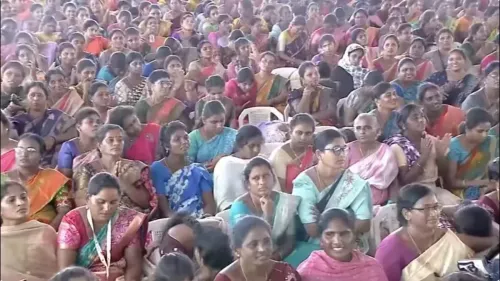
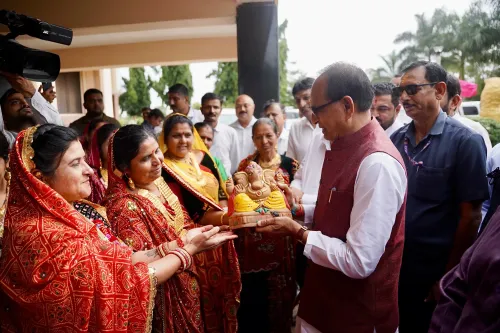
The minister posted — in Hindi — that more than 10 crore rural women are now linked to over 92 lakh Self Help Groups (SHGs), and that these groups have collectively received ₹14.24 lakh crore in bank credit so far. These figures, presented as the latest reported data, capture the sheer breadth of the Deendayal Antyodaya Yojana-National Rural Livelihoods Mission (DAY-NRLM), the central government scheme that has been the institutional backbone of rural women's financial inclusion since it replaced the earlier Swarnjayanti Gram Swarozgar Yojana in 2011.
Chouhan also highlighted that 5.12 crore SHG women have been trained in agriculture, horticulture and livestock development — a push to integrate women directly into farm productivity, not just household savings. Another 1.50 crore women, he noted, have established themselves as entrepreneurs across agricultural and non-agricultural sectors.
Lakhpati Didi: 4 crore cleared, 6 crore in sight
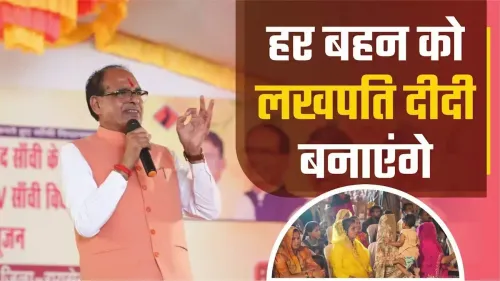
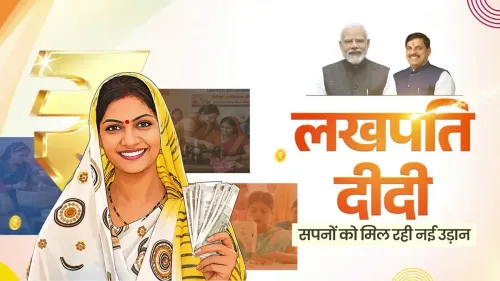
The standout milestone in Chouhan's post is the Lakhpati Didi count. Lakhpati Didi — literally 'millionaire sister' — refers to rural women who earn at least ₹1 lakh annually through sustainable livelihoods under the NRLM framework. Nearly 4 crore women have crossed that threshold, the minister said. The ambition, he added, belongs to Prime Minister Narendra Modi: to push that number to 6 crore.
To get there, the government has set out a fresh financing roadmap. Over the next five years, the target is to extend ₹10 lakh crore in credit to SHGs and an additional ₹1 lakh crore directly to individual women members. It is a significant step-up — using credit supply as the accelerant for the final push toward 6 crore Lakhpati Didis.
Diwali framing and the Viksit Bharat thread
Chouhan wove the welfare data into a Diwali message, writing: 'जब बहन आत्मनिर्भर बनती है, तो गाँव समृद्ध होता है' ('When a sister becomes self-reliant, the village prospers'). He cast the goal of women's economic independence as a prerequisite for the larger Viksit Bharat vision — the government's headline aspiration of a developed India. The personal register was deliberate: Chouhan, whose political identity in Madhya Pradesh was built substantially on welfare schemes for women — including the well-known Ladli Behna Yojana during his tenure as Chief Minister — framed the data as a personal mission, not just a ministerial brief.
The numbers, the new credit pledge, and the Diwali occasion combined to make this more than a seasonal greeting. It was, in effect, a mid-term progress report on one of rural India's most ambitious financial inclusion drives — and a signal that the 6-crore Lakhpati Didi target is now squarely on the minister's accountability clock.
Point of View
He reinforces the BJP's 'women as economic agent' narrative heading into future electoral cycles. The jump from reporting 4 crore Lakhpati Didis to pledging ₹11 lakh crore in fresh credit over five years signals that the government is treating the 6-crore target as a binding commitment, not an aspiration. For Chouhan personally — whose Ladli Behna Yojana defined his final term as Madhya Pradesh Chief Minister — women's welfare schemes are his clearest policy identity, and amplifying them from the Agriculture Ministry extends that brand at the national level. The larger Viksit Bharat framing also serves to tie village-level SHG data into the government's macro development story, making rural women both the means and the proof of that ambition.
NationPress
8 Nov 2026
Frequently Asked Questions
What is the Lakhpati Didi scheme?
Lakhpati Didi is an initiative under the Deendayal Antyodaya Yojana-National Rural Livelihoods Mission (DAY-NRLM) that aims to help rural women earn at least ₹1 lakh annually through sustainable livelihoods, skill training, and entrepreneurship support linked to Self Help Groups.
How many Lakhpati Didis are there in India in 2026?
Union Agriculture Minister Shivraj Singh Chouhan stated on 8 November 2026 that nearly 4 crore women have achieved Lakhpati Didi status. The government's target, set by PM Modi, is to raise this number to 6 crore.
How much bank credit have SHGs received so far?
According to figures cited by Minister Chouhan, Self Help Groups across India have received cumulative bank credit of ₹14.24 lakh crore under the NRLM framework. An additional ₹10 lakh crore is targeted for SHGs over the next five years.
What is DAY-NRLM and when was it launched?
The Deendayal Antyodaya Yojana-National Rural Livelihoods Mission (DAY-NRLM) is a central government scheme launched in 2011 by restructuring the earlier Swarnjayanti Gram Swarozgar Yojana. It promotes Self Help Groups among rural women for savings, credit, skill training, and enterprise development.
What is the new credit target for rural women under the government's five-year plan?
The government has set a target to provide ₹10 lakh crore in credit to Self Help Groups and an additional ₹1 lakh crore directly to individual women members over the next five years, as part of the push to reach 6 crore Lakhpati Didis.