PM Modi warns of 'Dimagi Naxals' threat after armed Maoism eliminated in India
Synopsis
PM Modi declared victory over armed Naxalism in Bastar but immediately raised the stakes — warning that 'dimagi Naxals' (ideological Maoists) have infiltrated political parties and organisations and are now inciting people against the Constitution. The speech blends a development scorecard (50 crore out of poverty, 15,000 km of roads) with a sharply political warning that reframes the Naxal threat from a security problem into an ideological battleground.
Key Takeaways
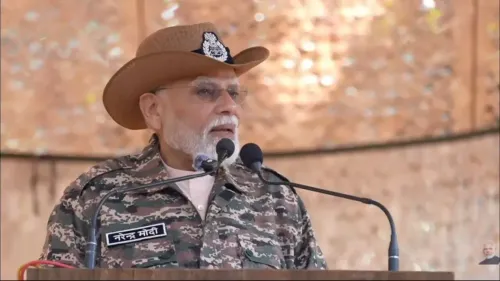
PM Modi addressed security forces in Bastar, Chhattisgarh on 8 November 2026 , declaring armed Naxalism eliminated.
He warned that 'dimagi Naxals' (ideological Naxalites) have infiltrated political parties and organisations and continue to incite people against the Constitution.
Modi cited a World Bank report stating 50 crore people lifted out of extreme poverty in the last 12 years .
Over 15,000 km of roads , 9,000 mobile towers , and nearly 200 Eklavya schools were built in LWE-affected areas alongside security operations.
The PM-JANMAN scheme brought water, electricity, and roads to remote tribal villages for the first time.
Surrendered Naxals were offered rehabilitation; children in Bastar are now participating in sports rather than armed conflict, Modi said.
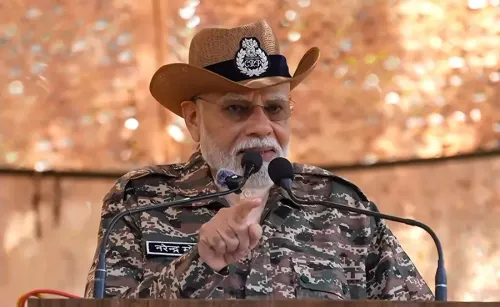
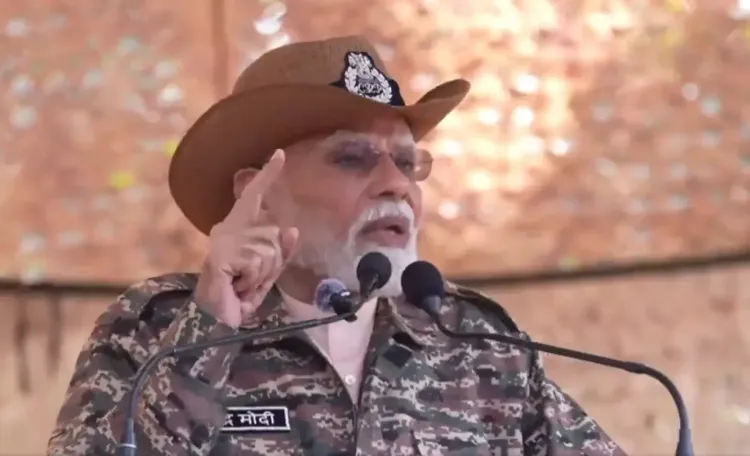
Prime Minister Narendra Modi on Sunday, 8 November 2026, declared that India has successfully dismantled armed Naxalism (Maoism), but warned that the threat from so-called 'dimagi Naxals' — ideological Naxalites — persists and must be confronted to safeguard the nation's democracy and Constitution. Speaking to security forces in Bastar, Chhattisgarh, Modi said the battle was far from over in its entirety.
Modi's Warning on Ideological Naxalism
Addressing personnel at Jagdalpur, the Prime Minister said that while armed Naxalites have been cleared from India's forests, their ideological counterparts have allegedly penetrated political parties and civil organisations. 'The armed Naxalites have been wiped out from the forests, but the mental Naxalites have taken over many organisations. Even today they are inciting people against the country's Constitution and democracy. These dimagi Naxals have infiltrated many political parties and different organisations. We have to recognise them, defeat them and secure the country,' he said.
Twelve Years of Gains Against Naxalism and Poverty
Modi asserted that over the last 12 years, India has simultaneously won two battles — against Naxalism and separatism, and against extreme poverty. He cited a recent World Bank report claiming that 50 crore people have been lifted out of extreme poverty during this period — a scale of progress, he argued, that decades of sloganeering under the banner of 'Garibi Hatao' had failed to deliver.
The Prime Minister drew a vivid metaphor, comparing the government's web of welfare schemes to a rangoli — where individual small patterns together form a larger, complete picture. Schemes cited included Jan Dhan Yojana, PM Awas Yojana, Mudra loans, SVANidhi support for street vendors, Ayushman Bharat, free monthly rations, Swachh Bharat Mission, and Har Ghar Jal.
How Naxalism Blocked Development
Modi detailed the deliberate obstruction of development that Naxal groups had enforced in Left-Wing Extremism (LWE)-affected areas — burning schools, blocking hospitals, preventing polio vaccination drives, obstructing mobile towers, bombing railway tracks, and halting industrial activity. As a consequence, he said, lakhs of poor and young people remained trapped in poverty for years.
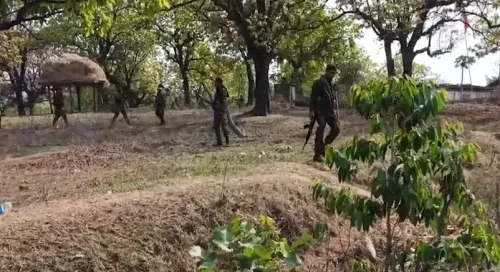
To counter this, the government launched parallel development campaigns alongside security operations. These included the construction of more than 15,000 km of roads under security cover, installation of over 9,000 mobile towers, opening of nearly 200 Eklavya Model Residential Schools for tribal children, establishment of around 50 ITIs and skill development centres, and setting up thousands of post offices, bank branches, and ATMs. The PM-JANMAN scheme also extended water, electricity, and road connectivity to remote tribal villages for the first time.
Rehabilitation and the Road Ahead
Surrendered Naxals were offered rehabilitation opportunities as part of the government's reset strategy in former conflict zones, Modi said. Notably, he pointed to Bastar itself as a symbol of transformation — children in the region, he said, are now participating in sports and aspiring for the Olympics rather than taking up arms.
However, Modi's cautionary note on 'dimagi Naxals' signals that the Centre views the ideological dimension of the conflict as a continuing challenge, one that it believes has moved from jungles into institutions. As LWE violence declines on official metrics, attention is now likely to shift to how the government defines and responds to this broader, more contested front.
Point of View
' the speech effectively turns a counterinsurgency milestone into a live political attack line. The development metrics cited — 15,000 km of roads, 200 Eklavya schools — are real and significant, but the 'dimagi Naxal' label is undefined and unverifiable, raising accountability concerns about how it may be applied. The World Bank poverty figure, while attributed, deserves scrutiny on methodology; the claim that 12 years of welfare schemes achieved what decades could not is contested territory.
NationPress
8 Nov 2026
Frequently Asked Questions
What did PM Modi say about 'dimagi Naxals' in his Bastar speech?
PM Modi warned that while armed Naxalites have been eliminated from India's forests, ideological Naxalites — whom he termed 'dimagi Naxals' — have infiltrated political parties and organisations and continue to incite people against the Constitution and democracy. He called for recognising and defeating them to secure the nation.
Has armed Naxalism been fully eliminated in India?
According to PM Modi, armed Naxalism has been successfully wiped out following security operations and parallel development campaigns over the last 12 years. Official data shows a significant decline in Left-Wing Extremism violence, though the government itself acknowledges an ongoing ideological threat.
What development work has been done in Naxal-affected areas?
The government says more than 15,000 km of roads were built under security cover, over 9,000 mobile towers installed, nearly 200 Eklavya Model Residential Schools opened, around 50 ITIs and skill development centres established, and thousands of post offices, bank branches, and ATMs set up in LWE-affected areas. The PM-JANMAN scheme also brought basic utilities to remote tribal villages for the first time.
What is the World Bank report Modi cited in his Bastar speech?
PM Modi referenced a World Bank report claiming that 50 crore people in India have been lifted out of extreme poverty over the last 12 years. He attributed this to a range of welfare schemes including Jan Dhan Yojana, PM Awas Yojana, Ayushman Bharat, and free ration distribution.
Why did Modi address security forces in Bastar?
Modi addressed security forces in Bastar, Chhattisgarh on 8 November 2026 to mark the government's claimed victory over armed Naxalism and to outline the next phase — countering what he described as ideological Naxalism. Bastar was historically one of the worst-affected regions in India's decades-long Naxal conflict.