Bangladesh garment worker crackdown condemned by global rights groups
Synopsis
Global rights groups including Human Rights Watch and Justice Makers Bangladesh in France are sounding the alarm over Bangladesh's response to garment worker protests — where one worker is dead, over 210 are injured, and criminal cases have reportedly been filed against nearly 19,521 people, all over a demand for a Tk 30,000 monthly minimum wage.
Key Takeaways
International rights groups Human Rights Watch (HRW) and Justice Makers Bangladesh in France (JMBF) condemned the crackdown on garment workers in Bangladesh on 6 November 2026 .
Workers have been demanding a minimum monthly wage of Tk 30,000 ; protests spread across multiple industrial zones including Savar and Ashulia , shutting over 200 factories .
Garment worker Toufiq Hossain died on 3 November in Dhaka after being beaten during clashes in Gazipur district.
According to the JMBF, more than 210 people were injured, 216 arrested, and 18 criminal cases filed against approximately 19,521 people .
HRW called on Bangladeshi authorities to ensure police use force only when 'necessary and proportionate' and to hold perpetrators of violence accountable.
Several leading international human rights organisations have strongly condemned the violent crackdown on garment workers in Bangladesh, who have been staging protests demanding fair wages and basic labour rights. The condemnations, issued on 6 November 2026, came as unrest deepened across industrial zones, with over 200 factories in Savar and Ashulia declaring holidays amid escalating clashes.
What Triggered the Protests
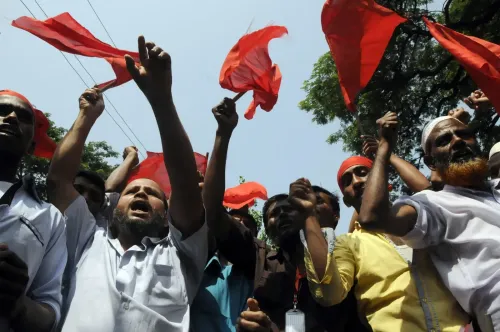
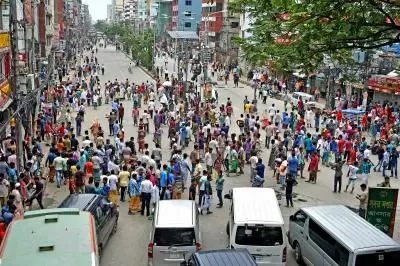
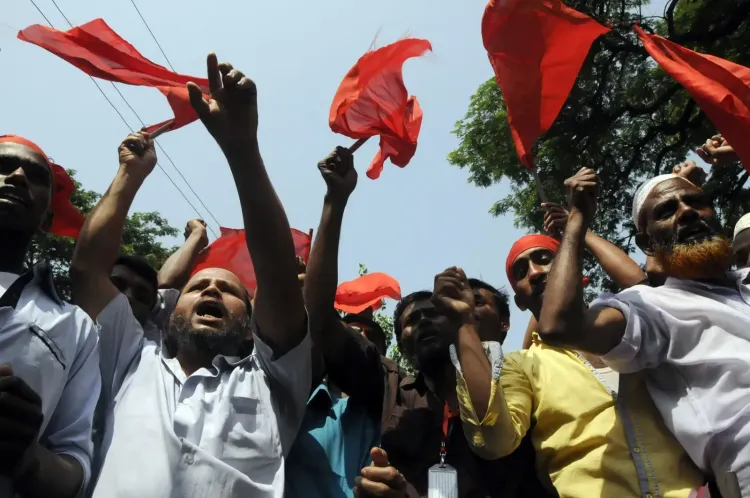
Workers across several industrial areas in Bangladesh have been demanding a minimum monthly wage of Tk 30,000, saying current pay levels are insufficient to meet basic living costs. The demonstrations reportedly spread across multiple industrial zones over several days, drawing thousands onto the streets. The unrest has resulted in injuries to both workers and law enforcement personnel, as well as incidents of arson and vandalism at factory premises.
Death of a Worker and Eyewitness Accounts
A garment worker identified as Toufiq Hossain died on 3 November at a hospital in Dhaka after sustaining critical injuries during clashes in Gazipur district's Joydebpur area. A co-worker, speaking to Human Rights Watch (HRW), described the incident: 'We were returning to the factory (after lunch) when Toufiq got caught between protesting workers and men hired to tackle the protest by another garment factory. When I looked back, I saw Toufiq lying on the ground. The hired men had beaten him brutally.'
What Rights Groups Are Saying
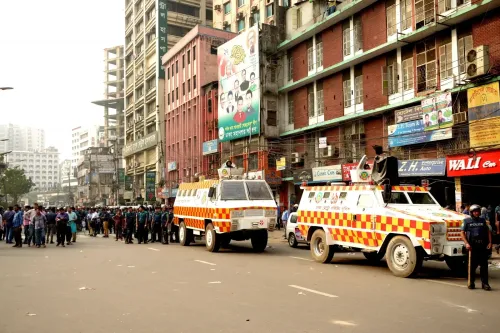
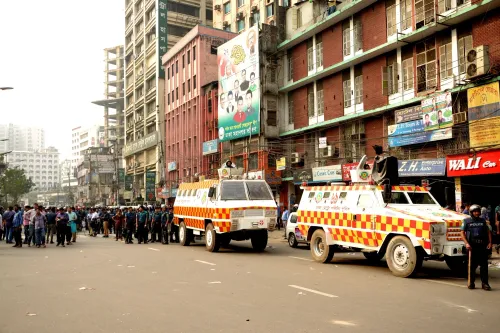
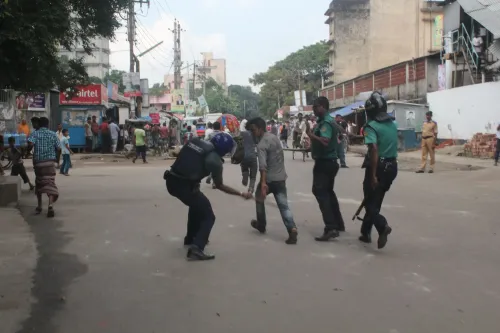
The US-based Human Rights Watch (HRW) said Bangladesh police deployed batons and tear gas to disperse thousands of protesting garment workers. It also flagged reports of violence by individuals allegedly linked to factory owners and political parties. 'Consistent with international standards, Bangladesh authorities should ensure that police use force only when necessary and proportionate, and that those responsible for violence are held accountable,' HRW stated.
The rights body alleged that instead of addressing legitimate wage demands, authorities were blaming the political opposition for instigating the protests. It cited Dhaka police, who announced the arrest of 33 supporters of the Awami League on 3 November on charges of sabotage. However, several observers alleged that members of the ruling Bangladesh Nationalist Party (BNP) youth wing had also targeted protesting workers.
Separately, Justice Makers Bangladesh in France (JMBF) issued a sharp condemnation, raising grave concern over the reported killing, widespread police violence, arbitrary arrests, and the mass filing of criminal cases. Citing Bangladeshi media and its own sources, the JMBF reported that at least one garment worker had been killed, more than 210 people injured, as many as 216 arrested, and 18 criminal cases filed against approximately 19,521 people as of Thursday.
JMBF Founder President Shahanur Islam said: 'Garment workers are demanding wages that allow them to feed their families and live with dignity. They must not be met with batons, tear gas, arrests, and thousands of criminal accusations. The death of Toufiq Hossain demands justice, not political excuses. No government has the right to turn a legitimate struggle for fair wages into a campaign of fear and repression.'
Broader Context and What Comes Next
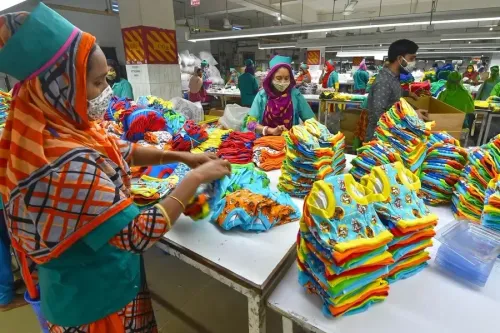
Bangladesh's garment industry is one of the world's largest, supplying global fashion brands and accounting for the bulk of the country's export earnings. This is not the first time wage disputes have triggered mass unrest in the sector; similar protests have erupted periodically over the past decade. Notably, the scale of criminal cases filed — reportedly against nearly 19,521 individuals — has drawn particular alarm from legal observers, who argue that mass charging is a tactic to suppress collective bargaining. International pressure is likely to mount, with global buyers and brands closely watching whether Bangladeshi authorities address the wage demands through dialogue or further enforcement.
Point of View
521 people charged — is the detail that mainstream coverage is underplaying. Mass charging of this magnitude is not policing; it is a structural deterrent against collective bargaining, effectively criminalising the right to strike. Bangladesh's garment sector is the backbone of its export economy, and global fashion brands that source from these factories bear indirect responsibility for the wage conditions that sparked the unrest. The political dimension — with both the Awami League and BNP accused of involvement — also suggests that labour grievances are being weaponised for factional ends, complicating any path to a negotiated wage settlement. If the Tk 30,000 demand is not addressed through legitimate dialogue, the cycle of protest and crackdown will almost certainly repeat.
NationPress
6 Nov 2026
Frequently Asked Questions
Why are Bangladesh garment workers protesting?
Bangladesh garment workers are demanding a minimum monthly wage of Tk 30,000, arguing that current pay levels are inadequate to cover basic living expenses. The protests have spread across multiple industrial zones, including Savar and Ashulia, over several days.
Who is Toufiq Hossain and what happened to him?
Toufiq Hossain was a garment worker who died on 3 November at a hospital in Dhaka after sustaining critical injuries during clashes in Gazipur district's Joydebpur area. A co-worker told Human Rights Watch that he was beaten by men allegedly hired to suppress the protest.
What has Human Rights Watch said about the Bangladesh crackdown?
Human Rights Watch stated that Bangladesh police used batons and tear gas against thousands of protesting workers, and flagged reports of violence by individuals allegedly linked to factory owners and political parties. It called on authorities to ensure force is used only when necessary and proportionate, and that those responsible for violence are held accountable.
How many people have been affected by the crackdown?
According to Justice Makers Bangladesh in France, at least one worker has been killed, more than 210 people injured, 216 arrested, and 18 criminal cases filed against approximately 19,521 individuals as of Thursday.
What is the political dimension of the Bangladesh garment protests?
Dhaka police arrested 33 Awami League supporters on 3 November for alleged sabotage, while separate allegations point to members of the ruling Bangladesh Nationalist Party (BNP) youth wing targeting protesting workers. Rights groups argue that authorities are using political blame-shifting to avoid addressing the core wage demands.