Bangladesh garment sector crisis: 20,783 workers laid off, wages unpaid in H1 2026
Synopsis
A new human rights report has put hard numbers to Bangladesh's garment sector crisis: over 20,000 workers laid off in six months, 457 factories shuttered since mid-2024, and peaceful wage protests broken up with tear gas and rubber bullets. With 240,000 workers unemployed and women bearing the brunt, the report is a direct challenge to Dhaka — and to the global brands that source from these factories.
Key Takeaways
20,783 workers from 80 garment factories lost jobs between January and June 2026 in Bangladesh.
457 factories shut down between August 2024 and June 2026 , leaving over 240,000 workers unemployed.
Factory closures were driven by insufficient work orders ( 205 ), financial insolvency ( 190 ), labour unrest ( 11 ), and other causes ( 51 ).
Law enforcement reportedly used baton charges, tear gas, sound grenades, and rubber bullets against peaceful worker protests.
Unsafe conditions — poor ventilation, inadequate sanitation, hazardous substance exposure — disproportionately affect women , who form the majority of the RMG workforce.
The Justice Makers Bangladesh in France (JMBF) has called on Dhaka to ensure timely wages, protect assembly rights, and launch independent investigations into alleged abuses.
Justice Makers Bangladesh in France (JMBF), an international human rights organisation, on 15 July 2026 released a damning report documenting systematic labour rights violations in Bangladesh's ready-made garment (RMG) sector during the first half of 2026. The report, titled 'Threads Under Pressure: The Ready-Made Garment Workers' Rights Crisis in Bangladesh 2026', details a sector in acute distress — with mass layoffs, unpaid wages, and the violent suppression of peaceful worker protests.
Scale of Job Losses and Factory Closures
According to the report, approximately 20,783 workers from 80 garment factories lost their jobs between January and June 2026 across Bangladesh. The situation is even more severe when viewed over a longer timeline: 457 garment and textile factories reportedly ceased operations between August 2024 and June 2026, leaving more than 240,000 workers unemployed.
Of the shuttered factories, 205 closed due to insufficient work orders, 190 due to financial insolvency, 11 following labour unrest, and 51 due to other reasons — including, according to the report, 'political instability, banking constraints, energy shortages, shortages of raw materials, and factory relocation.'
Unpaid Wages, Bonuses, and Financial Hardship
The JMBF documented 'widespread delays in wage payments, unpaid overtime, unpaid festival bonuses, arbitrary dismissals, and deteriorating working conditions, leaving thousands of workers and their families facing severe financial hardship.' These violations, the report notes, represent persistent patterns rather than isolated incidents — a structural failure in enforcement rather than a temporary disruption.
This comes amid growing international scrutiny of global fashion supply chains, with Bangladesh remaining one of the world's largest garment exporters, supplying major European and American retail brands.
Crackdown on Peaceful Protests
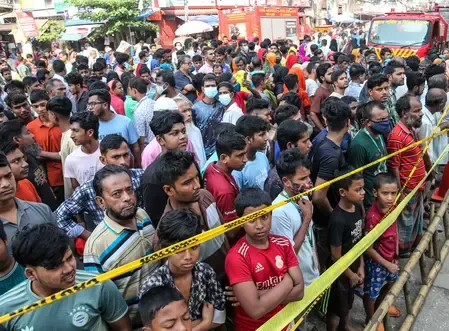
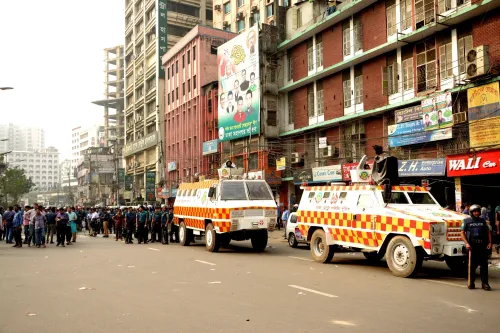
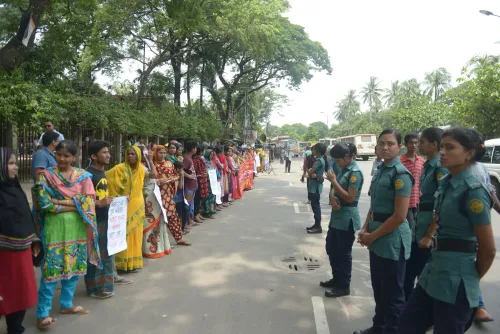
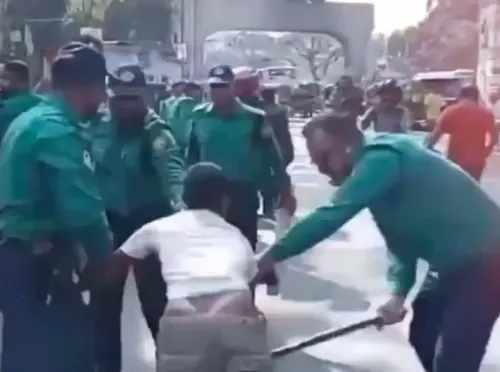
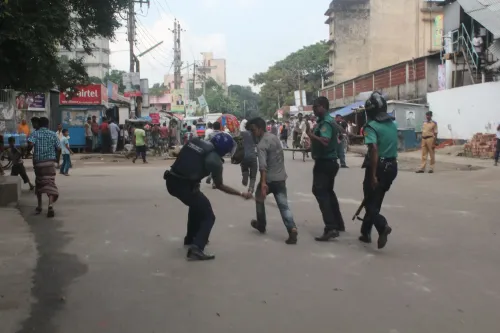
The report raised alarm over the treatment of workers who took to the streets demanding unpaid wages and safer conditions. According to JMBF, law enforcement agencies deployed baton charges, tear gas, sound grenades, and rubber bullets against largely peaceful demonstrators. The organisation alleged that peaceful protests were met with 'intimidation, criminal prosecution, and excessive use of force.'
'These incidents raise serious concerns regarding Bangladesh's compliance with its obligations to protect the rights to peaceful assembly, freedom of expression, and freedom of association under domestic and international law,' the report stated.
Unsafe Conditions Disproportionately Affecting Women
The report cited repeated incidents of mass illness among garment workers, attributing them to poor workplace conditions — including inadequate sanitation facilities, limited access to safe drinking water, poor ventilation, excessive heat, overcrowded production floors, prolonged exposure to hazardous substances, and inadequate medical services on factory premises.
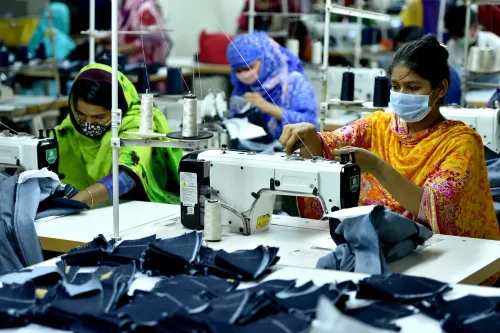
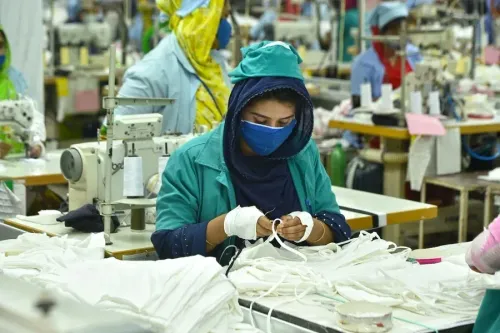
Notably, the report flagged that these conditions 'disproportionately affect women, who represent the majority of Bangladesh's garment workforce.' The RMG sector is a critical source of income for millions of women across Bangladesh, making the safety and rights failures documented here a gender issue as much as a labour one.
What JMBF Is Demanding
The JMBF called on the government of Bangladesh to ensure the timely payment of wages, overtime compensation, festival bonuses, severance payments, and all legally mandated benefits. It also urged authorities to protect workers' rights to freedom of association, peaceful assembly, freedom of expression, and collective bargaining.
The rights body further demanded an end to what it described as 'unnecessary and disproportionate' use of force against peaceful labour protests, and called for 'prompt, independent, impartial, and transparent investigations' into allegations of labour rights violations and police abuses. Whether Dhaka responds — and how — will be closely watched by international buyers and trade partners.
Point of View
But the combination of buyer order slowdowns, financial insolvency, and a crackdown on worker organising is a more complex crisis — one that Dhaka cannot resolve by enforcement alone. Global fashion brands that source from Bangladesh have long used compliance audits as reputational cover; those audits clearly did not catch what this report documents. The question is whether international trade pressure, rather than domestic political will, will ultimately force accountability.
NationPress
13 Oct 2026
Frequently Asked Questions
What did the JMBF report on Bangladesh's garment sector find?
The Justice Makers Bangladesh in France (JMBF) report, released on 15 July 2026, found that approximately 20,783 workers lost their jobs from 80 garment factories between January and June 2026. It also documented unpaid wages, unsafe working conditions, and the use of force against peaceful labour protests.
How many factories closed in Bangladesh's garment sector?
According to the report, 457 garment and textile factories ceased operations between August 2024 and June 2026, leaving more than 240,000 workers unemployed. Closures were attributed to insufficient work orders, financial insolvency, labour unrest, and other factors including energy shortages and political instability.
Why were protests by garment workers suppressed?
Workers staged peaceful protests demanding unpaid wages and better working conditions. According to JMBF, law enforcement responded with baton charges, tear gas, sound grenades, and rubber bullets. The report says these actions raise concerns about Bangladesh's compliance with international obligations on freedom of assembly and expression.
Who is most affected by the crisis in Bangladesh's RMG sector?
Women are disproportionately affected, as they constitute the majority of Bangladesh's garment workforce. The report highlights that unsafe conditions — including poor ventilation, inadequate sanitation, and hazardous substance exposure — fall most heavily on women workers.
What is JMBF demanding from the Bangladesh government?
JMBF has called on Dhaka to ensure timely payment of wages, overtime, festival bonuses, and severance pay; protect workers' rights to peaceful assembly, freedom of expression, and collective bargaining; end disproportionate force against protesters; and conduct independent, transparent investigations into alleged abuses.