Bangladesh garment labour reforms: New law passed, but enforcement gaps persist
Synopsis
Bangladesh passed its most-talked-about labour law in years, but a new report cuts through the celebration: without enforcement teeth, explicit forced-labour protections, and a check on global brands' purchasing power, the Bangladesh Labor Amendment Bill 2026 may be the latest in a long line of reforms that look transformative on paper and deliver little on the factory floor.
Key Takeaways
The Bangladesh Nationalist Party government under Tarique Rahman passed the Bangladesh Labor (Amendment) Bill, 2026 in April 2026 .
The law strengthens rights to organise and clarifies layoff and wage provisions, but does not explicitly address forced labour or modern slavery .
Enforcement remains the critical gap — Bangladesh has a weak track record of implementing its labour laws, according to the report.
Global brands effectively hold a veto over enforceable penalties through corporate-consensus-based regulatory mechanisms.
The Muhammad Yunus -led interim government, which preceded the BNP, failed to achieve meaningful systemic change despite initial expectations.
Labour experts warn of major worker protests in the garment sector and beyond if wages and forced-labour protections are not addressed.
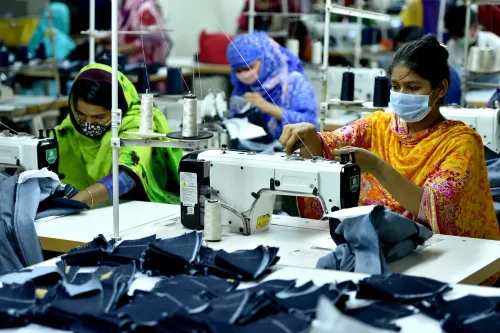
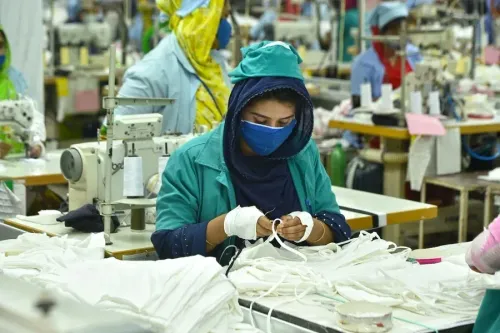
Bangladesh's garment industry — the world's second-largest apparel exporter — faces a deepening credibility crisis over labour reforms, with a new report warning that the newly elected government could face major worker unrest if systemic change, including a higher minimum wage and explicit protections against forced labour, fails to materialise beyond legislative paperwork.
New Law, Old Doubts
The Bangladesh Nationalist Party (BNP) government, headed by Tarique Rahman, passed the Bangladesh Labor (Amendment) Bill, 2026 in April 2026, widely described as a historic milestone for workers' rights. The legislation seeks to strengthen workers' rights to organise and clarifies provisions on layoffs and wage calculations. Yet critics argue the law leaves critical gaps — notably, 'explicit protections against forced labour and modern slavery are not yet addressed,' according to the report published in WWD.com.
Enforcement: The Persistent Hurdle
Analysts and labour advocates stress that the impact of any reform depends entirely on rigorous enforcement — and Bangladesh has a weak track record in this regard. The report notes that some government regulatory initiatives rely on corporate consensus, effectively giving global brands a veto over enforceable penalties. This dynamic, critics argue, traps accountability mechanisms 'in a loop of managing paperwork instead of driving real change.'
Genuine accountability, the report contends, requires moving away from business-as-usual compliance frameworks altogether — a structural shift that neither the previous interim government nor the current administration has yet demonstrated the will to pursue.
Missed Opportunity Under Yunus Interim Government
Fresh expectations for substantive reform had emerged when a Nobel Laureate Muhammad Yunus-led interim government took charge. However, the report indicates that no meaningful systemic change was achieved during his tenure, leaving workers in the same precarious conditions that have long characterised the sector. Earlier studies have highlighted 'precarious conditions and women workers' vulnerabilities' in economic, job, food, and housing security within Bangladeshi garment factories.
The Brand Accountability Problem
A second systemic issue compounds the enforcement challenge: the unfair purchasing practices of global apparel brands. By squeezing supplier margins, international brands directly undermine the financial headroom factories need to raise wages and improve conditions. The report argues that transparency and worker agency cannot advance in isolation from how global buyers structure their sourcing contracts — a dimension the new law does not address.
What Comes Next
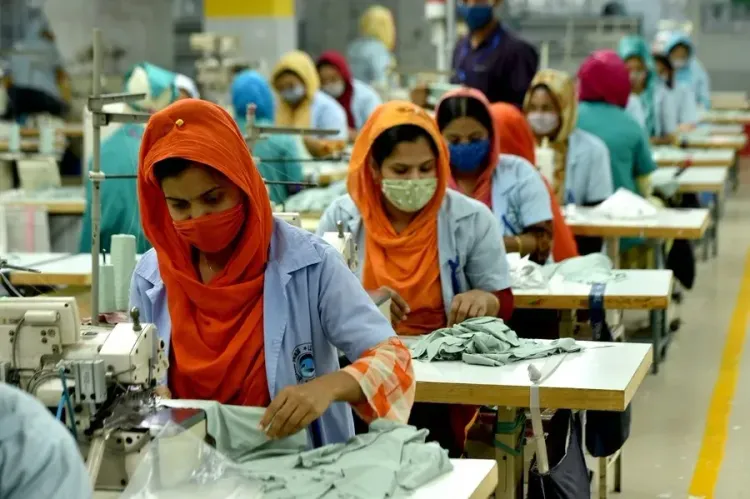
The government's response will be a decisive indicator of whether it prioritises cost competitiveness for global brands or the dignity and security of the 4 million-plus workers — the majority of them women — employed in the sector. Without credible enforcement mechanisms and a meaningful increase in the minimum wage relative to rising living costs, labour experts warn that large-scale worker protests in the garment sector and beyond remain a real possibility.
Point of View
But legislation without enforcement is theatre. The deeper problem is structural: as long as global brands can effectively veto penalties through compliance-driven frameworks, the incentive to genuinely raise wages and eliminate forced labour remains absent. The report's most uncomfortable finding is not about Dhaka — it is about the sourcing desks in New York, London, and Stockholm that continue to extract margin from Bangladeshi suppliers while publicly committing to ethical supply chains.
NationPress
22 Sept 2026
Frequently Asked Questions
What is the Bangladesh Labor (Amendment) Bill, 2026?
It is a labour law passed by the Bangladesh Nationalist Party government in April 2026, aimed at strengthening workers' rights to organise and clarifying provisions on layoffs and wage calculations. Critics note it does not yet include explicit protections against forced labour or modern slavery.
Why do labour experts say the reforms may not work?
Enforcement is the central concern — Bangladesh has historically struggled to implement its labour laws effectively. Additionally, some regulatory mechanisms rely on corporate consensus, giving global brands an effective veto over penalties, which limits real accountability.
What happened to labour reforms under Muhammad Yunus's interim government?
Despite high expectations when the Nobel Laureate-led interim government took charge, no meaningful systemic change was achieved in Bangladesh's garment sector during its tenure, according to the report.
Who is most affected by the gaps in Bangladesh's labour reforms?
The garment sector's workforce — estimated at over 4 million workers, the majority of them women — bears the greatest impact. Earlier studies have documented their vulnerabilities in economic, job, food, and housing security.
What role do global apparel brands play in Bangladesh's labour conditions?
Global brands' unfair purchasing practices — squeezing supplier margins — directly undermine factories' ability to raise wages and improve conditions. The report argues that worker agency cannot advance without reforming how international buyers structure their sourcing contracts.