Does BNP's Victory Signal a New Era of Stability and Reform in Bangladesh?
Synopsis
The BNP's election victory has ignited hopes for a new era in Bangladesh, with citizens yearning for stability, accountability, and cultural richness. As the nation prepares for significant reforms, the focus shifts to governance challenges and the aspirations of the youth.
Key Takeaways
BNP's triumph marks a pivotal moment in Bangladesh's political landscape.
Citizens are hopeful for stability and reform .
Proposed constitutional amendments aim to enhance democracy .
The new government is called to address corruption and accountability .
Focus on the aspirations of Gen Z protestors is crucial.
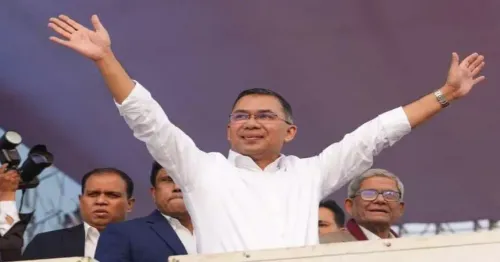
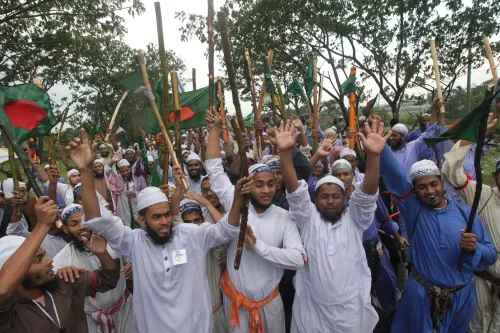
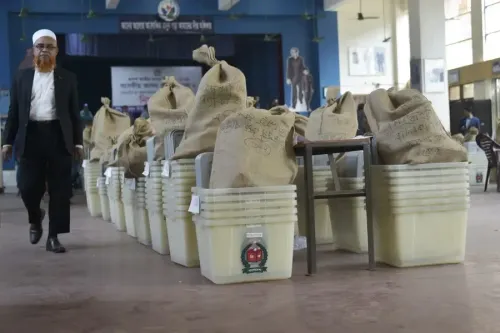
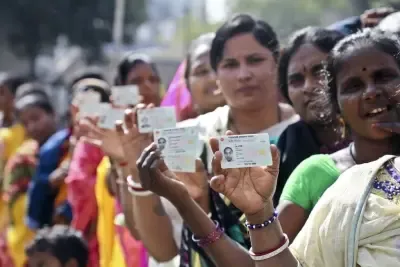
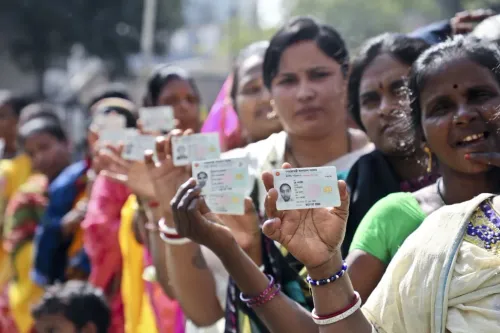
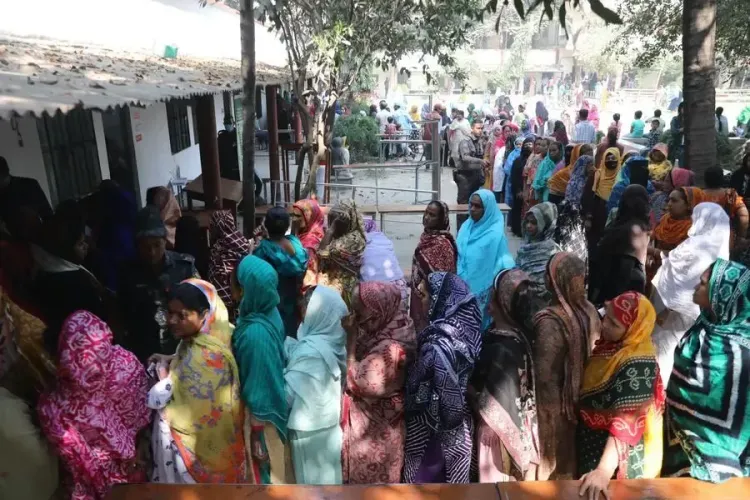
Dhaka, Feb 14 (NationPress) In the wake of the Bangladesh Nationalist Party's (BNP's) triumph in the general elections, there is a wave of optimism among citizens across the nation. Many believe that Bangladesh is on the brink of a more tranquil chapter, following a period characterized by unrest and deteriorating law and order.
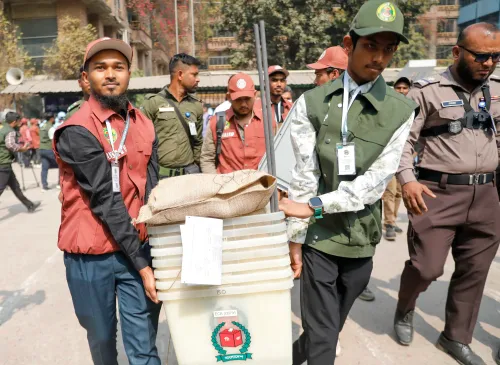
The BNP achieved a decisive victory in the first general election since the 2024 student-driven protests that led to the ousting of former Prime Minister Sheikh Hasina's Awami League government.
Residents shared their hopes with IANS, expressing confidence that the new government would focus on stability, development, and institutional reform.
"Establishing law and order is paramount. If that is achieved, everything else will follow. I truly believe this. This victory is historic, especially after 16 years plagued by broken institutions and corruption. It sends a positive message for the country," remarked one local.
Another resident expressed hope saying, "With the BNP in power, we anticipate constructive efforts for the nation and improved living conditions here."
Some citizens reflected on the cultural aspects beyond the political sphere.
"The essence of a nation doesn't solely depend on which party governs it. It is rooted in the people's culture. In that regard, I must say we have a rich cultural heritage that transcends political affiliations. This cultural identity is vital for any nation," another individual stated.
Wishing the BNP well, one person added, "We extend our congratulations to the BNP. We hope they will govern with a secular, inclusive, and independent mindset, engaging with all and adhering to fundamental principles."
Calls for accountability and freedom were also prominent in public sentiments.
"We want a Bangladesh that is aware of freedom, values it, and advocates for it," one citizen commented.
Another expressed their desire for a corruption-free nation, stating, "We are hopeful that this new government will lead us towards a future devoid of corruption."
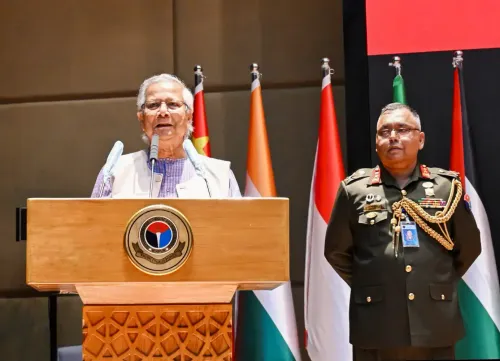
This election is viewed as a pivotal moment in Bangladesh's political landscape, following the mass protests in July 2024 that forced Hasina to flee to India, resulting in the establishment of an interim government led by Muhammad Yunus.
In addition to electing a new government, voters also endorsed significant constitutional changes through a parallel referendum. These proposed amendments include setting term limits for prime ministers, creating a bicameral legislature, and enhancing women's representation—demands that were central to the youth-led movement.
The BNP has consistently criticized the previous administration for what it termed authoritarianism and flawed electoral practices, portraying its electoral success as a restoration of democracy.
With the mandate now secured, focus shifts to the substantial governance challenges ahead, including economic recovery, institutional rebuilding, and addressing the aspirations of Gen Z protesters who were instrumental in last year's uprising.
Point of View
I believe that the BNP's victory represents a critical juncture for Bangladesh. The public's call for stability and reforms reflects a deep desire for progress and accountability. It is essential that the new government addresses these challenges while embracing the rich cultural identity of our nation.
NationPress
2 Oct 2026
Frequently Asked Questions
What does the BNP's victory mean for Bangladesh?
The BNP's victory signals a potential shift towards stability, development, and institutional reform following a period of unrest.
What reforms are being proposed after the election?
Proposed reforms include term limits for prime ministers, a bicameral legislature, and enhanced women's representation.
How do citizens feel about the BNP's leadership?
Many citizens express optimism that the BNP will prioritize stability and work towards a corruption-free government.
What role did the youth play in the recent protests?
The youth were instrumental in the protests that led to the BNP's electoral success, advocating for significant reforms.
What challenges does the new government face?
The new government faces challenges including economic recovery, rebuilding institutions, and addressing public aspirations.