Honour killing in Khyber Pakhtunkhwa: Man shoots niece dead in Oghi
Synopsis
In yet another documented honour killing in Pakistan, a man shot dead his 18-year-old niece in Oghi, Khyber Pakhtunkhwa, before wounding two others — the latest in a string of such incidents that also includes a couple killed on a Sindh highway in October 2026, exposing persistent gaps in legal protection for women across Pakistan.
Key Takeaways
A man allegedly shot dead his 18-year-old niece in Oghi, Khyber Pakhtunkhwa on 6 November 2026 in an honour-related killing.
The suspect also wounded the niece's alleged paramour and that man's cousin before being arrested while fleeing.
Police filed two FIRs ; the incident reportedly occurred under the local chor honour custom.
On 22 October , a couple who married by choice were shot dead on the National Highway in Sukkur, Sindh — also in the name of honour.
Two suspects, Abdul Malik Samejo and Abdul Hanan Samejo , were arrested in the Sindh case along with a shotgun.
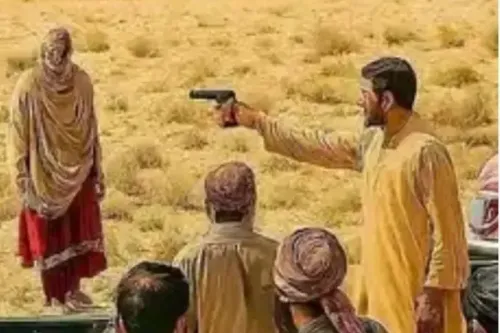
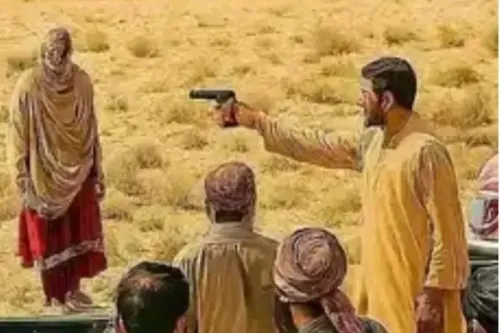
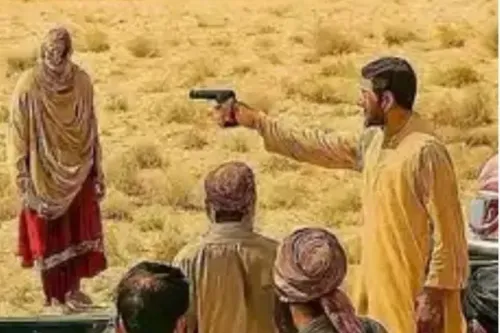
A man allegedly shot dead his 18-year-old niece and wounded two others in an honour-related incident in Oghi town of Pakistan's Khyber Pakhtunkhwa province on 6 November 2026, local Pakistani media reported. The suspect was arrested while attempting to flee the scene, according to police.
How the Incident Unfolded
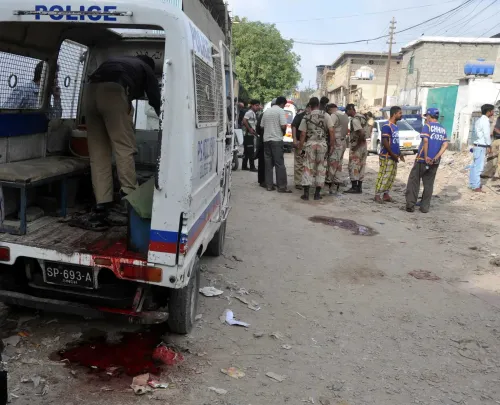
District Police Officer Mohammad Waqas Khan said the suspect first shot and killed his niece inside her home, then stepped outside and opened fire on her alleged paramour and that man's cousin. 'The suspect first shot dead his niece at home and then went outside and opened fire on her alleged paramour and his cousin. We arrested him when he was fleeing,' Khan said, as quoted in Pakistani daily Dawn.
Police registered two FIRs in connection with the incident. The body of the deceased was taken to a hospital for medico-legal formalities before being handed over to the family.
The Victim's Background
In one of the FIRs, Naveed Ahmed, 22, identified as the deceased's brother, stated that he and his sister had moved into the home of their paternal uncle, Umarzada, in Oghi after their father's death eight years ago. 'My uncle [Umarzada] shot and killed my sister,' Ahmed said in the complaint. The incident reportedly occurred under the local honour-related chor custom, according to police.
A Pattern of Violence: Earlier Cases
The Oghi killing is part of a wider pattern documented in recent months. On 22 October, a couple who had married by choice were shot dead aboard a passenger coach on the National Highway near VIG Gate in Sukkur district, Sindh province. The victims were reportedly travelling to Karachi when unidentified assailants opened fire. Police subsequently arrested two suspects — Abdul Malik Samejo and Abdul Hanan Samejo — along with a repeater shotgun. Investigators confirmed the killings were carried out in the name of honour.
Court documents from that case revealed a free-will affidavit dated 28 September 2026, in which a woman named Sidra Samejo detailed her prior marriage to Abdul Hanan, alleging mistreatment and a divorce via triple talaq in 2024. Following the divorce, relatives allegedly pressured her into another marriage against her will. She stated she had married Deedar Ali in April 2026 of her own volition and had expressed fear of threats from family members including her former husband.
Systemic Concern
Human rights organisations have long flagged Khyber Pakhtunkhwa and Sindh as among Pakistan's most affected provinces when it comes to honour-related violence. Critics argue that existing legal protections remain inadequately enforced, with perpetrators frequently evading long-term accountability. This latest incident adds to a growing record of such cases reported across Pakistan in 2026.
The case in Oghi remains under investigation, with police continuing to piece together the full chain of events surrounding the killings.
Point of View
But convictions remain rare and social sanction rarer still. The Sidra Samejo affidavit is particularly telling: a woman formally documented her fear of family violence weeks before she was killed, yet the system offered no meaningful protection. The gap between legislation and enforcement is where these deaths live.
NationPress
6 Nov 2026
Frequently Asked Questions
What happened in the Oghi honour killing in Khyber Pakhtunkhwa?
A man allegedly shot and killed his 18-year-old niece at their home in Oghi, Khyber Pakhtunkhwa, on 6 November 2026, then wounded two others outside. Police arrested him while he was fleeing and registered two FIRs. The killing reportedly occurred under the local honour-related chor custom.
Who was the victim and what was her relationship to the suspect?
The victim was an 18-year-old woman whose brother, Naveed Ahmed, stated in his FIR that she and he had lived with their paternal uncle Umarzada in Oghi since their father died eight years ago. Ahmed identified Umarzada as the man who shot and killed his sister.
Was there a similar honour killing in Pakistan recently?
Yes. On 22 October 2026, a couple who had married by their own choice were shot dead on the National Highway near VIG Gate in Sukkur district, Sindh, while travelling to Karachi. Police arrested two suspects — Abdul Malik Samejo and Abdul Hanan Samejo — and confirmed the killings were carried out in the name of honour.
What was in Sidra Samejo's free-will affidavit?
In an affidavit dated 28 September 2026, Sidra Samejo stated she had previously been married to Abdul Hanan, who allegedly mistreated her and divorced her via triple talaq in 2024. After her divorce, family members pressured her to remarry against her wishes. She stated she married Deedar Ali in April 2026 by her own choice and expressed fear of threats from relatives, including her former husband.
Are honour killings illegal in Pakistan?
Yes. Pakistan enacted Anti-Honour Killing Laws in 2016, criminalising the practice. However, critics and human rights groups argue enforcement remains weak, with convictions rare and social accountability largely absent, particularly in provinces like Khyber Pakhtunkhwa and Sindh.