Pakistan honour killings: Police failures let Karachi couple's killers strike after court visit
Synopsis
A newly married couple killed in broad daylight after a court appearance — with police watching and the suspect allegedly following them out. The Karachi honour killing of Nadia Aslam and Najeebullah Aziz is a case study in systemic failure: Punjab logged 225 honour killings and secured just two convictions. Pakistan's laws exist on paper; enforcement, critics say, does not.
Key Takeaways
Nadia Aslam , 20, and Najeebullah Aziz , 25, were shot dead in Karachi after leaving a Malir court on 25 May ; Nadia's brother is the primary suspect and has reportedly been arrested.
The couple had appeared in court to confirm their marriage was consensual, yet police allegedly failed to anticipate the honour-killing risk despite clear warning signs.
The Sustainable Social Development Organisation (SSDO) report found Punjab recorded 225 honour killing cases with only 2 convictions ; Sindh had zero convictions.
Across all four major provinces, conviction rates remain negligible, with judicial delays, family withdrawals, and weak investigations cited as key barriers.
Social activist Imran Takkar noted women make up 90% of honour killing victims in Pakistan.
Columnist Ghazi Salahuddin in The News International called the killings a preventable failure and a sign of 'moral degradation' in Pakistani institutions.
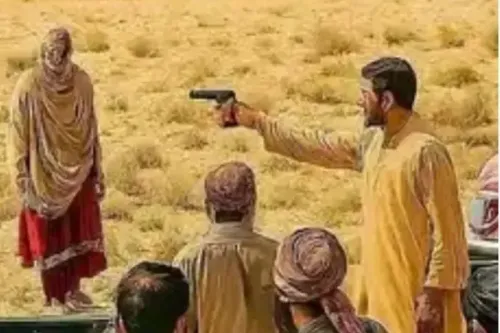
A newly married couple, Nadia Aslam, 20, and Najeebullah Aziz, 25, were shot dead in Karachi in what authorities have confirmed is yet another case of honour killing in Pakistan — one that critics say could have been prevented had law enforcement acted on clear warning signs. Nadia's own brother is the primary suspect; police say he has been arrested. The killings have reignited a national debate about systemic police failure and the country's persistently low conviction rate for honour crimes.
How the Attack Unfolded
After Nadia left her family home to marry Najeebullah, her relatives filed a complaint with police alleging she had been kidnapped. On 25 May, she appeared before a Malir court in Karachi to record her statement, presenting her marriage certificate and confirming she had wed Najeebullah of her own free will. He was present in the courtroom alongside her.
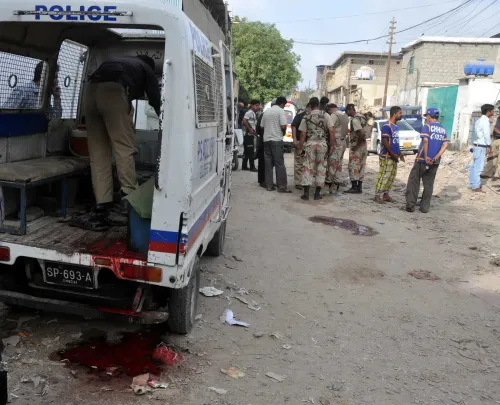
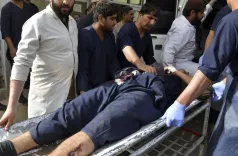
According to a senior official, armed assailants on a motorcycle were already tracking the couple as they left the court premises. The attackers opened fire on the car carrying the newlyweds; both Nadia and Najeebullah were killed on the spot. Nadia's brother, identified as the main suspect, allegedly followed the couple with accomplices after the court hearing concluded.
The Question Police Must Answer
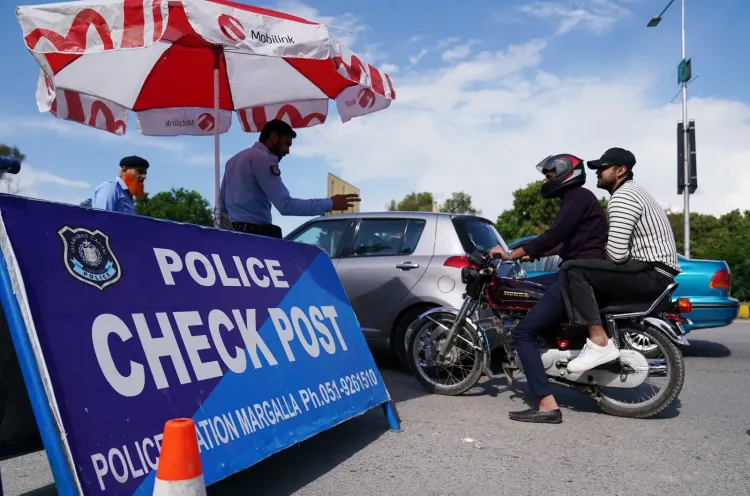
Commentators and rights advocates have pointed to a critical lapse: given the openly contentious circumstances — a family-versus-couple dispute that had already reached the courts — why did police not anticipate the risk of an honour attack? Writing in Pakistani daily The News International, columnist Ghazi Salahuddin was blunt: 'The murder of Nadia and Najeeb could be prevented if the authorities were more alert and fully aware of their responsibilities. That they did not apparently care about the precious lives of two young persons may also be an example of the moral degradation of the Pakistani society.'
Salahuddin further wrote: 'Considering the circumstances in which the couple had come to the court, why did the police not suspect the possibility of honour killing? After all, there is a record of similar murders after the victims had left the premises of a court. Were they not, in some ways, betrayed by their state, by their society, and by law enforcement authorities who should have seen it coming?'
A Nationwide Pattern of Impunity
The Karachi killings are not an isolated tragedy. A report by the Sustainable Social Development Organisation (SSDO), drawing on official records and international studies, documents that weak investigations, judicial delays, and social pressure continue to obstruct justice despite laws nominally criminalising honour killings.
The provincial data exposes a stark conviction gap. Punjab — Pakistan's most populous province — recorded 225 honour killing incidents with only two convictions. Khyber Pakhtunkhwa reported 134 cases and also secured just two convictions. Sindh documented multiple incidents but recorded no convictions. Balochistan reported 32 cases and obtained one conviction. Across all four provinces, the conviction rate is negligible relative to the scale of reported killings.
An earlier report in The Express Tribune noted: 'Every now and then, some isolated case of honour killings makes its way to the media. However, beyond individual tragedies lies a bleak national picture, where family forgiveness, judicial delays, and weaknesses in law enforcement allow innocents to continue being killed in the name of honour.'
Women Bear the Overwhelming Burden
Social activist Imran Takkar, who works on women's rights, told The Express Tribune that women account for 90 per cent of honour killing victims in Pakistan. 'Women are already considered a weak and oppressed segment of society, and families often withdraw in such cases,' he said. 'If the police builds stronger cases, investigations are conducted in an improved manner, and prosecution plays its role, harsher punishments are possible.'
A separate report from February had already flagged honour killings as a serious and worsening human rights issue in Pakistan, with incident numbers remaining high and conviction rates critically low — a pattern the Karachi case now underscores with renewed urgency. Whether authorities will implement structural reforms to police sensitisation and court-side protection protocols remains to be seen.
Point of View
The family had filed a kidnapping complaint, and the suspect reportedly trailed them out of the building. That police took no protective action is not an aberration; the SSDO data shows it is the norm. With Punjab recording 225 honour killings and two convictions, the impunity is structural, not incidental. Pakistan has laws against honour killings, but laws without enforcement are theatre. Until police sensitisation, witness protection, and prosecution accountability are treated as institutional priorities rather than talking points, the pattern will repeat — and the next Nadia and Najeeb are already in a courtroom somewhere.
NationPress
23 Sept 2026
Frequently Asked Questions
Who were Nadia Aslam and Najeebullah Aziz?
Nadia Aslam, 20, and Najeebullah Aziz, 25, were a newly married couple killed in Karachi in an honour killing after leaving a court where Nadia had confirmed their marriage was consensual. Nadia's brother is the primary suspect and has reportedly been arrested.
Why were they at court before being killed?
Nadia's family had filed a police complaint alleging she had been kidnapped. On 25 May, she appeared before a Malir court to record her statement, presenting her marriage certificate and confirming she had married Najeebullah of her own free will. The couple was attacked shortly after leaving the court premises.
What does the data say about honour killing convictions in Pakistan?
According to an SSDO report, Punjab recorded 225 honour killing incidents with only two convictions, Khyber Pakhtunkhwa reported 134 cases with two convictions, Sindh documented cases with no convictions, and Balochistan reported 32 cases with one conviction. The conviction rate is negligible across all provinces.
Why is police failure highlighted in this case?
Critics and commentators argue that given the openly disputed circumstances — a family complaint, a court appearance, and an angry relative known to police — law enforcement should have anticipated and prevented the attack. Columnist Ghazi Salahuddin wrote that the murders could have been prevented with greater police alertness and awareness of their responsibilities.
Who are the most affected by honour killings in Pakistan?
According to social activist Imran Takkar, women account for 90 per cent of honour killing victims in Pakistan. Rights advocates argue that weak investigations, social pressure on families to withdraw cases, and judicial delays disproportionately leave women without legal protection.