Honour killing in Upper Kohistan: Police officer, woman shot dead in Pakistan
Synopsis
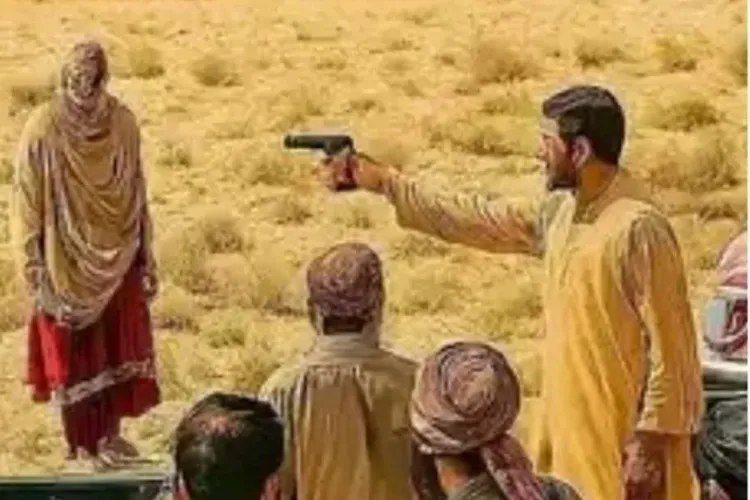
A police officer posted at Dasu station and a 22-year-old woman were shot dead in Upper Kohistan after the accused family declared them 'Chor' — a local custom — upon learning of their relationship. The killing of a uniformed officer underscores how deeply customary codes can override institutional authority in parts of Khyber Pakhtunkhwa.
Key Takeaways
A police officer and a 22-year-old woman were allegedly shot dead on 17 July in Jalkot, Upper Kohistan , Pakistan.
The accused family invoked a local custom called 'Chor' after discovering the two were in a relationship.
DPO Tahir Iqbal Khan said a case has been registered under Sections 302 and 311 of the Pakistan Penal Code.
Suspects are expected to surrender within one to two days , according to police.
In a separate May 2025 incident in Karachi's Malir area , a couple — Nadia (20) and Najeebullah (25) — were shot dead in a suspected honour killing shortly after appearing in court with their marriage certificate.
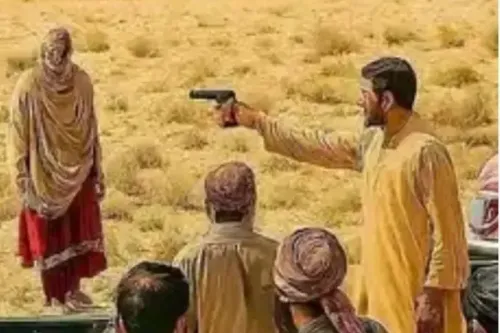
A serving police officer and a 22-year-old woman were allegedly shot dead in a suspected honour killing in the Jalkot area of Upper Kohistan, Khyber Pakhtunkhwa, Pakistan, local media reported on Friday, 17 July. The two were killed after the accused family declared them 'Chor' — a local custom invoked upon discovering they were in a relationship.
What Happened
Upper Kohistan District Police Officer (DPO) Tahir Iqbal Khan told journalists that the accused family first killed the woman and subsequently shot the policeman. 'The accused family first killed the woman and then the policeman after declaring them 'Chor' in accordance with a local custom after discovering that they were in a relationship,' Khan said, according to Pakistan's daily Dawn.
The deceased officer was posted at Dasu police station in Upper Kohistan. Authorities have registered a case against the nominated suspects under Sections 302 and 311 of the Pakistan Penal Code and deployed police teams to arrest them.
Accused Expected to Surrender
DPO Khan indicated that a voluntary surrender was anticipated shortly. 'We expect the accused to surrender within a day or two, as we are also in contact with the relevant families,' he said. No arrests had been confirmed at the time of reporting.
A Recurring Pattern of Violence
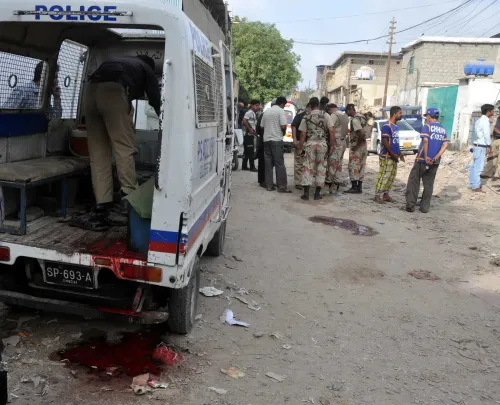
This incident is not isolated. In May, a young couple — Nadia (20) and Najeebullah (25) — were shot dead by unidentified assailants in the Malir area of Karachi after marrying of their own choice, in what officials described as a suspected honour killing. Armed men reportedly tracked the couple from a court in Malir, where they had submitted their marriage certificate, and opened fire on their vehicle as they headed to the Nadra office in Saudabad. Two other occupants, including the driver, survived by fleeing the vehicle.
Prior to the attack, Nadia's father Aslam had filed a kidnapping case on 19 May following the couple's self-chosen marriage. Najeebullah's father was arrested in connection with that case but was released after the court disposed of the matter upon receiving the marriage certificate. Police said armed men had been tracking the couple since they left the court.
Broader Context
Honour killings remain a deeply entrenched and under-prosecuted form of gender-based violence in parts of Pakistan, particularly in tribal and rural regions of Khyber Pakhtunkhwa and Balochistan. Human rights organisations have consistently flagged that legal provisions meant to curb the practice are rarely enforced, and that family-level compounding of cases frequently results in perpetrators evading justice. The killing of a serving police officer in the Upper Kohistan incident adds a rare and stark dimension — suggesting that institutional authority offers no protection when customary codes are invoked.
Point of View
But enforcement gaps and family-level compounding continue to render those provisions largely symbolic.
NationPress
15 Oct 2026
Frequently Asked Questions
What happened in the Upper Kohistan honour killing case?
A police officer posted at Dasu station and a 22-year-old woman were allegedly shot dead by the woman's family in the Jalkot area of Upper Kohistan, Khyber Pakhtunkhwa, on 17 July. The accused family reportedly invoked a local custom called 'Chor' after discovering the two were in a relationship.
Who is leading the investigation?
Upper Kohistan DPO Tahir Iqbal Khan is overseeing the case. A First Information Report has been filed against the nominated suspects under Sections 302 and 311 of the Pakistan Penal Code, and police teams have been deployed to make arrests.
Have any arrests been made?
No arrests had been confirmed at the time of reporting. DPO Khan said he expects the accused to surrender within one to two days, as police are also in contact with the families involved.
What was the earlier honour killing case in Karachi?
In May 2025, a young couple — Nadia (20) and Najeebullah (25) — were shot dead by unidentified gunmen in Karachi's Malir area shortly after appearing in court to register their self-chosen marriage. Armed men reportedly tracked their vehicle from the court to the Nadra office in Saudabad before opening fire.
Why do honour killings persist in Pakistan despite laws against them?
Human rights organisations note that while Pakistan's legal framework prohibits honour killings, enforcement is inconsistent, particularly in tribal and rural areas. Family-level compounding of cases frequently allows perpetrators to avoid prosecution, and social and customary pressures often override formal legal processes.