CM Dhami marks Igas Bagwal, celebrating Devbhoomi traditions
Synopsis
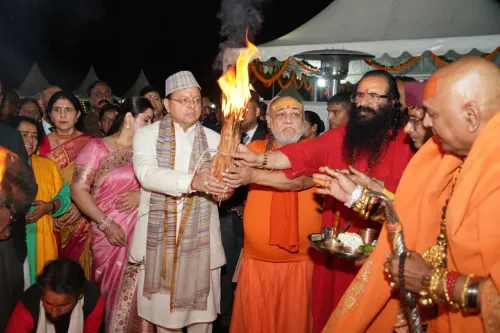
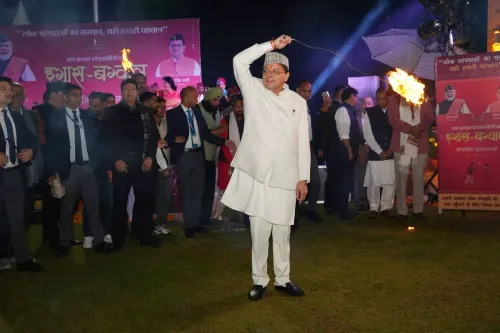
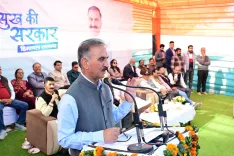
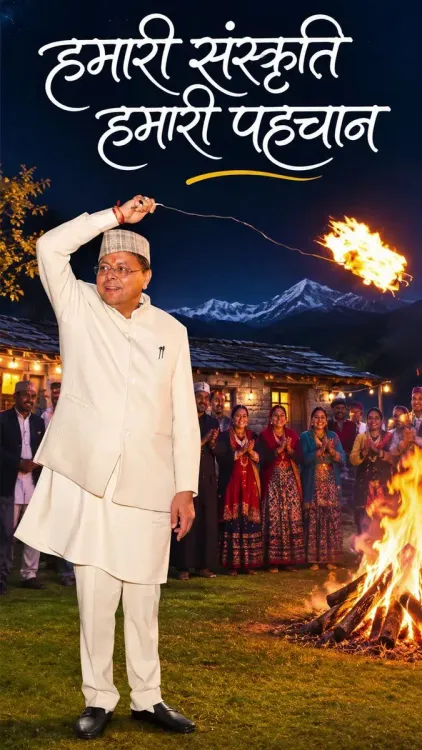
Uttarakhand Chief Minister Pushkar Singh Dhami marked Igas Bagwal on 19 November 2026, hailing it as a confluence of folk culture, faith, and the rich traditions of Devbhoomi, affirming the state's Kumaoni and Garhwali heritage.
Key Takeaways
CM Pushkar Singh Dhami posted Igas Bagwal greetings on 19 November 2026 .
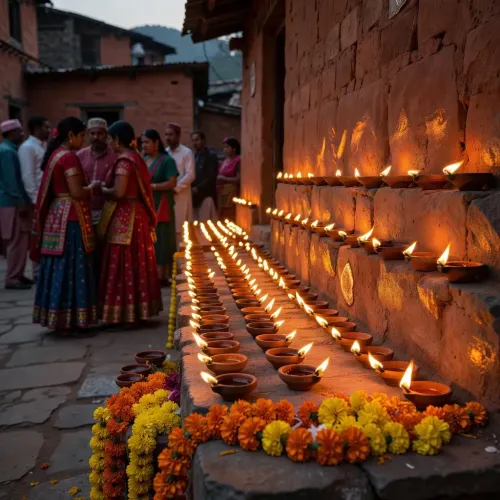
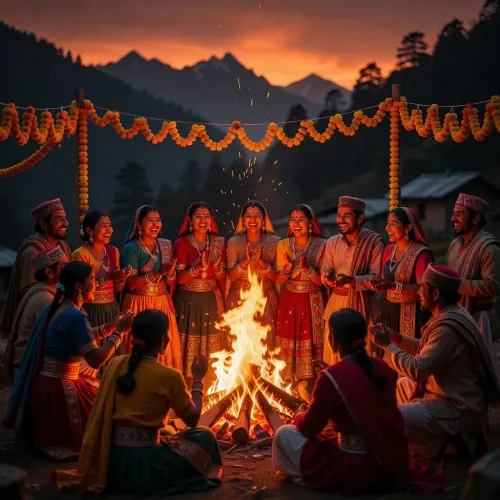
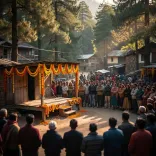
Igas Bagwal is a traditional Uttarakhand festival featuring folk performances, lamp-lighting, and local worship rooted in Kumaoni and Garhwali culture.
The festival functions as a distinct post-Diwali celebration for certain mountain communities in Uttarakhand .
Dhami described the occasion as 'an extraordinary confluence of folk culture, faith, and the rich traditions of Devbhoomi .' Uttarakhand chief ministers have consistently used regional festival greetings to affirm the state's hill cultural identity since statehood in 2000 .
In the high hills of Uttarakhand, the festival of Igas Bagwal brings folk music, lamps, and local worship together in a celebration that is entirely the state's own — and on Thursday, 19 November 2026, Uttarakhand Chief Minister Pushkar Singh Dhami marked the occasion with a greeting that placed the festival squarely within the state's living cultural identity.
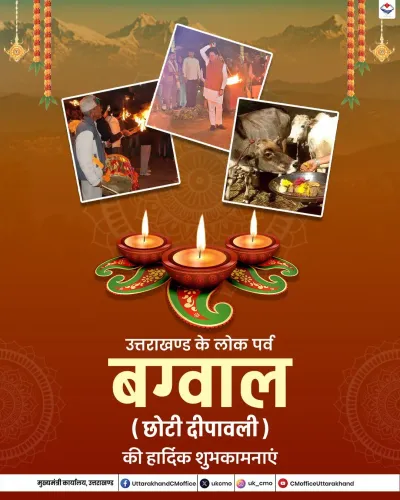
Posting on X, CM Dhami described Igas Bagwal as 'an extraordinary confluence of folk culture, faith, and the rich traditions of Devbhoomi' — lok sanskriti, aastha aur Devbhoomi ki samridh paramparaon ka adbhut sangam — a phrase that distils the three pillars Uttarakhand's cultural narrative rests on.What Igas Bagwal is — and why it matters to the hills
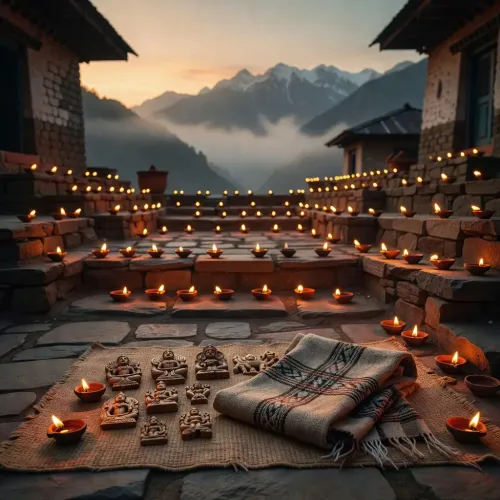
Igas Bagwal is a traditional festival observed across parts of Uttarakhand, featuring folk performances, the lighting of lamps, and local worship practices rooted in Kumaoni and Garhwali heritage. It arrives in the post-Diwali calendar and, in a region where the main Diwali celebrations can feel distant from certain mountain villages, Igas functions as the community's own festival of lights — intimate, local, and deeply tied to agrarian and pastoral rhythms. The word Devbhoomi — 'land of the gods' — is Uttarakhand's most resonant cultural descriptor, a shorthand for the state's dense concentration of pilgrimage sites, temples, and living spiritual traditions from Kedarnath and Badrinath to countless village shrines. When a Chief Minister invokes it alongside a folk festival, he is consciously knitting regional identity to state pride.Routine greeting, long-running emphasis on hill culture
Uttarakhand's chief ministers have consistently used greetings on regional festivals as a way to affirm cultural identity — a pattern that reflects the state's post-formation effort, since 2000, to give its Kumaoni and Garhwali traditions formal recognition alongside its spiritual branding. These are not policy announcements; they are acts of cultural stewardship, signalling to hill communities and folk performers that their traditions hold official pride of place. In the months ahead, state-level cultural programmes and tourism promotions tied to Uttarakhand's festival circuit are worth watching — Igas Bagwal sits within a broader calendar that the state has increasingly used to draw visitors into the mountains beyond the summer pilgrimage season. For the communities in Uttarakhand's valleys and ridges who have kept these traditions alive across generations, the message from Dehradun today is a simple one: Igas Bagwal is not a footnote to the festival calendar. It is the heartbeat of the hills.Point of View
But is not subsumed by, the state's dominant pilgrimage and 'Devbhoomi' branding. For the BJP in Uttarakhand, cultural continuity with Kumaoni and Garhwali traditions carries electoral resonance in rural hill constituencies. As the state also pushes festival-linked tourism, these ceremonial gestures increasingly do double duty: cultural affirmation for locals, and soft-marketing for the wider calendar.
NationPress
19 Nov 2026
Frequently Asked Questions
What is Igas Bagwal?
Igas Bagwal is a traditional festival celebrated in parts of Uttarakhand, featuring folk performances, lamp-lighting, and local worship. It falls in the post-Diwali period and serves as the community's own festival of lights for many mountain villages in the Kumaoni and Garhwali belt.
Why is Igas Bagwal celebrated separately from Diwali?
In certain hill communities of Uttarakhand, Igas Bagwal is observed in the weeks after the main Diwali period, rooted in agrarian and pastoral traditions that follow a distinct local calendar — making it a festival that belongs uniquely to the mountains.
What did CM Dhami say about Igas Bagwal?
Chief Minister Pushkar Singh Dhami called Igas Bagwal 'an extraordinary confluence of folk culture, faith, and the rich traditions of Devbhoomi,' posting his greetings on X on 19 November 2026.
What does Devbhoomi mean?
Devbhoomi literally means 'land of the gods' and is the cultural epithet for Uttarakhand, referencing its dense concentration of temples, pilgrimage sites such as Kedarnath and Badrinath, and its living spiritual traditions.
Is Igas Bagwal a public holiday in Uttarakhand?
Igas Bagwal is a recognised regional festival in Uttarakhand with cultural significance across Kumaoni and Garhwali communities; specific public holiday status for 2026 has not been confirmed in available official information.