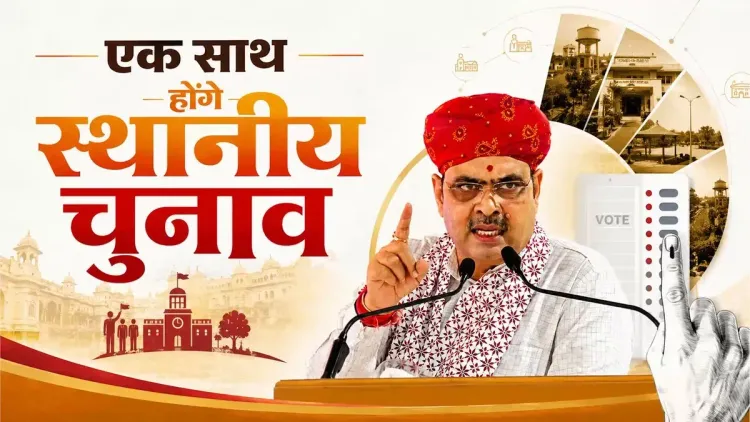
CM Bhajan Lal Sharma announces simultaneous local body and panchayat polls in Rajasthan
Synopsis
Rajasthan CM Bhajan Lal Sharma announced on 8 August 2026 that urban local body and panchayat elections will be held simultaneously, blaming Congress-era staggered polls for stalling development and framing the move as an efficiency and governance reform.
Key Takeaways
Rajasthan CM Bhajan Lal Sharma announced on 8 August 2026 that urban local body and panchayat elections will be held simultaneously across the state.
The BJP government blamed the previous Congress administration (2018–2023) for dragging out local elections over years and stalling development work.
The stated rationale is 'one election, one system' — reducing administrative burden, cutting costs, and keeping development schemes running without repeated Model Code of Conduct freezes.
Both panchayats and municipal bodies are in scope, covering a large share of Rajasthan's grassroots governance machinery.
The Rajasthan State Election Commission must now issue formal notifications and dates before the decision becomes operational.
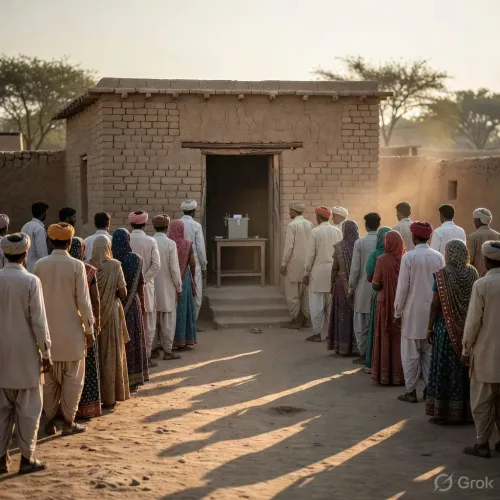
Rajasthan's development calendar has been held hostage to staggered elections for too long — and Chief Minister Bhajan Lal Sharma says his government is ending that cycle. On Saturday, 8 August 2026, Sharma announced that Rajasthan will hold urban local body and panchayat elections simultaneously, framing the move as a direct correction of what he called years of deliberate delay under the previous Congress administration.
The Congress-era charge and the BJP's counter-move
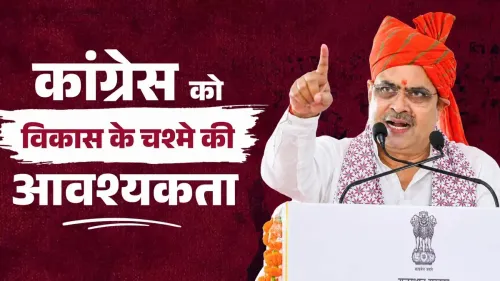
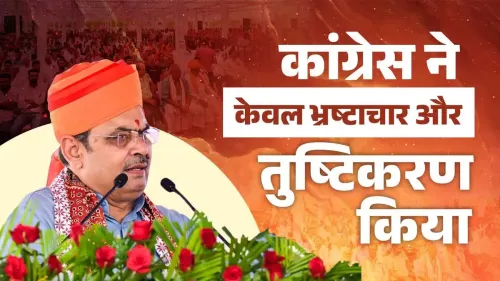
Sharma's post pulls no punches on the political history. He states that the Congress government, which held power in Rajasthan from 2018 to 2023, dragged out local body and panchayat elections over years, disrupting development work in the process. The BJP, which swept back to power after the December 2023 assembly elections, is now positioning the simultaneous-poll decision as a structural fix — not just a scheduling convenience.
In his words: 'Ek chunav, ek vyavastha' — 'one election, one system' — savings in time and resources, with development work moving forward without interruption. The argument is efficiency: fewer election cycles means fewer stretches of the Model Code of Conduct freezing government spending and scheme implementation across panchayats and municipal bodies.
Why the timing of local polls matters for governance
Rajasthan is a vast state with hundreds of urban local bodies and thousands of gram panchayats. When their elections are staggered across different months or years, the administrative machinery — district officials, state election staff, security forces — is perpetually in election mode. Development funds get held up, new projects stall, and local governments operate in a limbo between outgoing and incoming bodies.
Aligning the two sets of elections into a single exercise is expected to compress that disruption into one window rather than spreading it across the term. The logic echoes the broader national conversation around simultaneous elections, though this decision is confined to Rajasthan's sub-state tier.
What comes next: the Election Commission's move
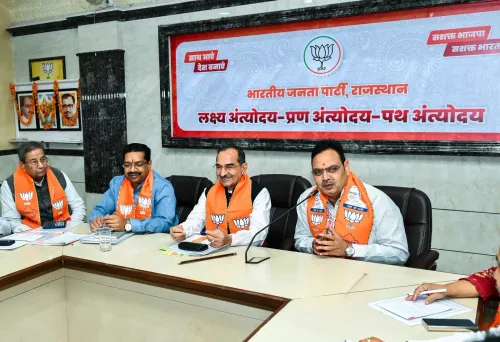
The announcement is a political declaration of intent. The formal machinery now lies with the Rajasthan State Election Commission, which must issue official schedules and notifications. Any legislative or procedural steps required to align the two sets of elections will also need to be worked through before dates are finalised.
The clock is ticking — and how quickly the state government converts this announcement into a notified election calendar will determine whether the 'one election, one system' promise holds up under scrutiny.
Point of View
One election' ideological brand. Holding both sets of polls together compresses Model Code of Conduct disruptions into a single window, which genuinely benefits scheme delivery — but the political dividend of contrasting BJP 'efficiency' against Congress 'delay' is equally deliberate. The real test will come when the Rajasthan State Election Commission issues formal dates, at which point the logistical complexity of synchronising hundreds of urban bodies with thousands of panchayats will move from rhetoric to reality.
NationPress
8 Aug 2026
Frequently Asked Questions
What did Rajasthan CM Bhajan Lal Sharma announce about local elections?
CM Bhajan Lal Sharma announced on 8 August 2026 that Rajasthan will hold urban local body and panchayat elections simultaneously, calling it a move to save time and resources and keep development work on track.
Why is Rajasthan holding local body and panchayat elections together?
The BJP government argues that staggered elections repeatedly trigger the Model Code of Conduct, freezing development funds and disrupting governance. Holding both elections at once limits that disruption to a single window.
What did Congress do with Rajasthan local body elections according to Bhajan Lal Sharma?
Sharma alleged that the Congress government, which ruled Rajasthan from 2018 to 2023, delayed local body and panchayat elections for years, obstructing development work in the state.
When will Rajasthan local body and panchayat elections be held?
Exact dates have not been announced yet. The Rajasthan State Election Commission will issue the formal schedule; the CM's post is a declaration of the government's policy intent.
Is Rajasthan's simultaneous local election plan related to 'One Nation One Election'?
It echoes the same efficiency logic but is a state-level decision covering only sub-state tiers — urban local bodies and panchayats — and is separate from the national 'One Nation One Election' proposal for Parliament and state assemblies.