CM Bhajan Lal Sharma Hails India's Asian Para Games 2026 Heroes
Synopsis
Rajasthan CM Bhajan Lal Sharma congratulated India's Asian Para Games 2026 medal-winners on 22 October, highlighting Suvarna Raj's gold, Swati Choudhary's historic first para-archery silver, twin silvers, and five bronze medals, calling the athletes an inspiration for crores of Indian youth.
Key Takeaways
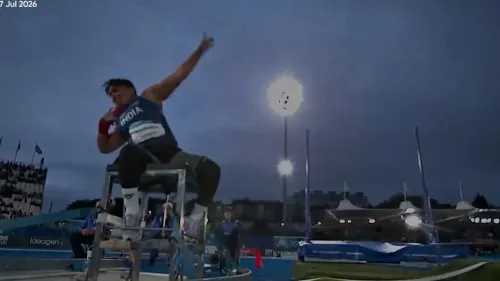
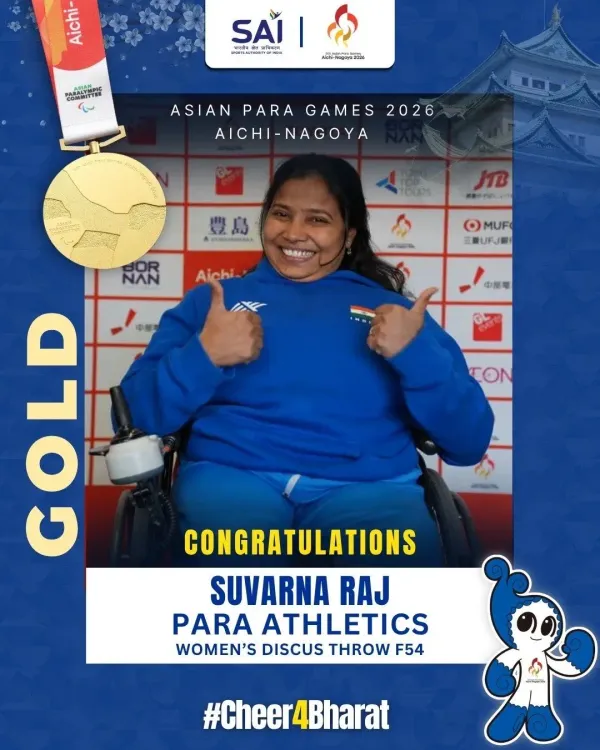
Suvarna Raj won the gold medal for India at the Asian Para Games 2026 .
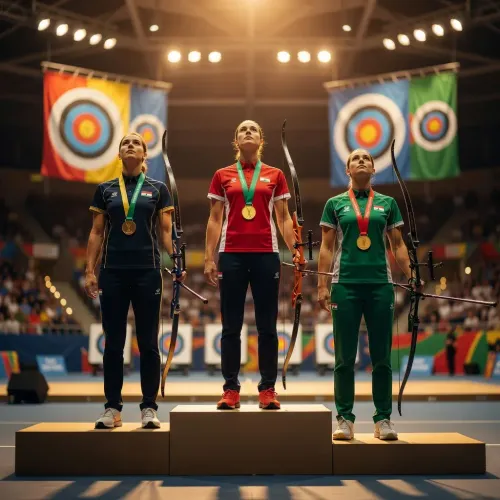
Swati Choudhary claimed India's first-ever historic silver medal in para-archery at the Games.
Akira Nandan Banothu and Sharad Makanhalli added two more silver medals to India's tally.
Bronze medals were won by Pranav Desai , Sukhchain , Karamjyoti , Haini , and Shailesh Kumar .
Rajasthan CM Bhajan Lal Sharma lauded the athletes as an inspiration for Indian youth never to give up.
India's para-sport momentum at continental level feeds into preparations for the 2028 Paralympic Games .
India's para-athletes etched their names into history at the Asian Para Games 2026, and Rajasthan Chief Minister Bhajan Lal Sharma was among the first to salute them — congratulating a constellation of medal-winners who carried the tricolour with pride on Thursday, 22 October 2026.
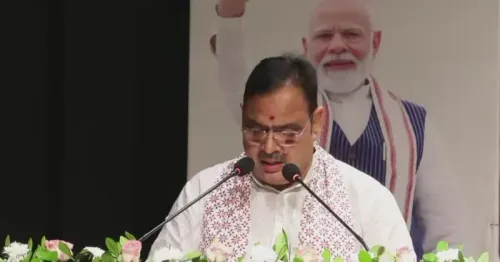
In a post on X, CM Sharma offered warm congratulations to Suvarna Raj for claiming the gold medal, and to Swati Choudhary for winning what he called the country's first-ever historic silver medal in para-archery. He also congratulated silver medallists Akira Nandan Banothu and Sharad Makanhalli, and bronze winners Pranav Desai, Sukhchain, Karamjyoti, Haini, and Shailesh Kumar.
Swati Choudhary's Para-Archery Milestone
The standout landmark in the haul, as Sharma framed it, belongs to Swati Choudhary — credited with India's 'first historic silver medal' in para-archery at a major Asian multi-sport event. If the research of para-archery's modest footprint in Indian sport is any guide, firsts in this discipline carry outsized significance: they chart the discipline's course for an entire generation of differently-abled archers. A single podium finish at continental level can unlock funding, coaching pipelines, and grassroots participation in a way few other achievements can.
A Haul Spanning Disciplines and Athletes
The medal tally Sharma cited is broad and varied — from archery to unnamed disciplines claimed by the bronze contingent. Suvarna Raj's gold anchors the list at the top, while the twin silvers of Banothu and Makanhalli and the five-strong bronze group speak to the depth India fielded at these Games. The Asian Para Games, held every four years for athletes with disabilities, serves as the continent's premier proving ground — and results here closely track the form that matters at the Paralympic Games.
Why Leaders Amplify Para-Sport Wins
CM Sharma's post fits a well-established pattern: senior political figures at both state and national level consistently use social media to spotlight para-sport achievements, a deliberate signal that differently-abled athletes occupy the same national-pride real estate as their able-bodied counterparts. The CM's words went further than protocol: 'aap sabhee ka yah jazba aur mehnat desh ke karodon yuvaaon ko jeevan mein kabhi haar na maanne kee seekh detee hai' ('Your spirit and hard work teach crores of young people in the country never to give up in life'). That framing — positioning para-athletes not just as sports champions but as motivational touchstones — is a deliberate, recurring choice in India's political communication around disability sport.
With the 2028 Paralympic Games now firmly on the horizon, performances like these will feed directly into national selection and preparation cycles. India's para contingent has been building momentum through successive international events, and a multi-medal haul at the Asian Para Games is precisely the kind of result that strengthens the case for deeper institutional investment in the programme.
Point of View
Anchored by Swati Choudhary's historic archery silver, represents a measurable step forward in a discipline that has historically been under-resourced. Senior leaders spotlighting such firsts publicly creates reputational pressure on sports bodies to sustain and expand the programmes that produced them. With Paris still fresh in institutional memory and Los Angeles 2028 approaching, every continental medal now carries selection and funding implications that extend well beyond the congratulatory cycle.
NationPress
22 Oct 2026
Frequently Asked Questions
Who won gold for India at the Asian Para Games 2026?
Suvarna Raj won the gold medal for India at the Asian Para Games 2026 , as highlighted by Rajasthan CM Bhajan Lal Sharma in his congratulatory post.
What is Swati Choudhary's historic achievement at Asian Para Games 2026?
Swati Choudhary won India's first-ever historic silver medal in para-archery at the Asian Para Games 2026 , a landmark for the discipline in Indian para-sport.
Which Indian athletes won silver medals at Asian Para Games 2026?
India's silver medallists at the Asian Para Games 2026 were Swati Choudhary (para-archery), Akira Nandan Banothu , and Sharad Makanhalli .
Who are the Indian bronze medallists at Asian Para Games 2026?
India's five bronze medallists at the Asian Para Games 2026 are Pranav Desai , Sukhchain , Karamjyoti , Haini , and Shailesh Kumar .
What did Rajasthan CM Bhajan Lal Sharma say about para athletes?
CM Bhajan Lal Sharma said the spirit and hard work of India's para-athletes teaches crores of young people 'never to give up in life', calling them champions who have raised the honour of the tricolour.