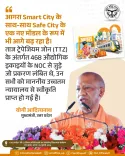
CM Bhajan Lal Sharma Launches Bharat Taxi in Jaipur

Synopsis
Rajasthan Chief Minister Bhajan Lal Sharma inaugurated Bharat Taxi in Jaipur on 25 July 2026, marking a state push to modernise urban cab services in the capital and potentially expand organised mobility across the state.
Key Takeaways
Bharat Taxi was officially launched by Rajasthan CM Bhajan Lal Sharma in Jaipur on 25 July 2026 .
The inauguration was broadcast live, signalling the government's intent to give the rollout high public visibility.
Jaipur , Rajasthan's capital and largest city, is the first site of the new taxi service.
Key stakeholders include urban commuters and taxi operators across Jaipur.
Potential future expansion to other Rajasthan cities and integration with EV or public transport targets are being watched.
The launch aligns with a broader national pattern of state governments modernising urban transport through organised cab services.
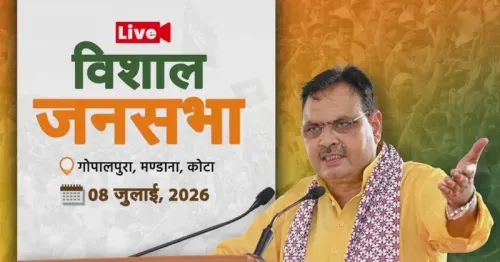
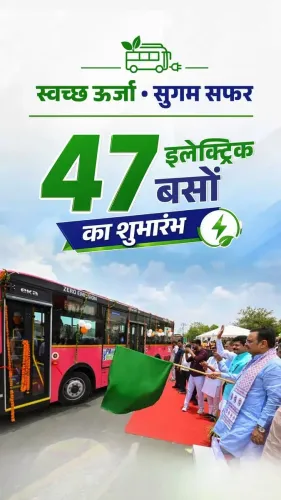
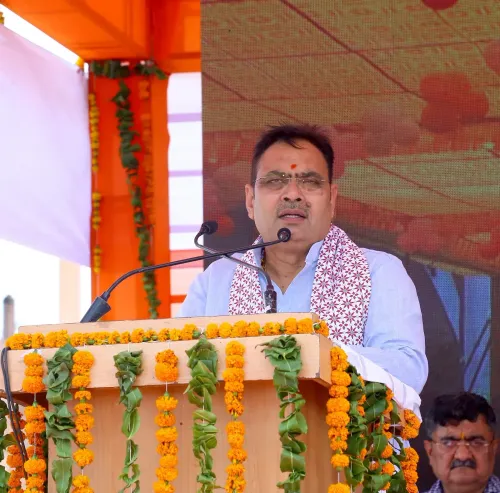
Rajasthan Chief Minister Bhajan Lal Sharma inaugurated Bharat Taxi, a new urban mobility service, at a launch ceremony held in Jaipur on Saturday, 25 July 2026. The event, streamed live, marks the state government's latest step toward organised, modern taxi services in the state capital.
Context
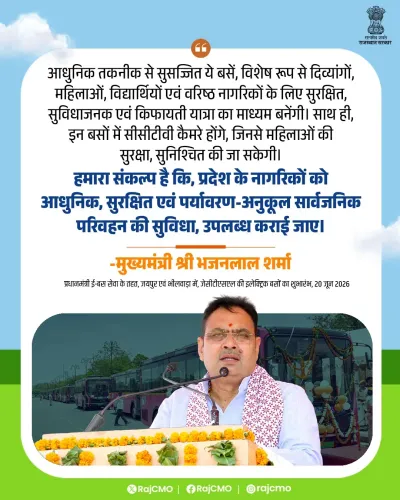
CM Sharma, who assumed office in December 2023, has positioned urban transport modernisation as part of his administration's governance agenda. The Bharat Taxi launch ceremony in Jaipur — Rajasthan's capital and its largest city — signals a formal push to bring structured, regulated cab services to the city's commuters.
The event was broadcast live, reflecting the government's intent to give the launch wide public visibility. The Chief Minister's office shared the inauguration on social media, underlining the political significance attached to the rollout.
Policy Backdrop
Rajasthan has previously attempted to modernise urban mobility through state transport policy, including efforts to regulate taxi services in major cities. Such state-level taxi initiatives typically align with broader national priorities around organised transport, vehicle emission standards, and digital booking infrastructure.
Across India, state governments have periodically launched or rebranded local cab and mobility services as part of urban transport reforms. These programmes often intersect with central government goals on electric vehicles (EVs), app-based aggregator regulation, and last-mile connectivity for public transit networks.
Stakeholders and Impact
The primary beneficiaries of the Bharat Taxi service are expected to be urban commuters in Jaipur, who stand to gain from a more organised and potentially regulated alternative to existing informal or app-based taxi options. Taxi operators and drivers in the city are also key stakeholders, as the launch could affect licensing, fares, and vehicle standards in the sector.
If the model proves viable in Jaipur, it could serve as a template for rollout in other urban centres across Rajasthan, with implications for thousands of drivers and daily commuters statewide.
What's Next
Attention will now turn to whether Bharat Taxi expands beyond Jaipur to other cities in Rajasthan, and whether the state announces partnerships with vehicle manufacturers, technology platforms, or integrates the service with existing public transport networks. Any alignment with the state's EV targets or fleet electrification plans will be closely watched by industry observers and urban planners alike.
The success of the initiative will ultimately depend on execution — including driver onboarding, fare structures, and the reliability of the booking platform — factors that will determine whether Bharat Taxi delivers lasting impact for Jaipur's commuters.
Point of View
Less than three years into its tenure, to demonstrate visible urban governance. By anchoring the event in the state capital and streaming it live, the administration is signalling delivery on urban mobility promises to a politically significant voter base. The initiative fits a well-established pattern of state governments using branded transport services to assert policy identity distinct from central or private players. Whether Bharat Taxi translates into durable urban mobility reform or remains a ceremonial launch will depend on the operational and regulatory framework the state puts in place in the months ahead.
NationPress
25 Jul 2026
Frequently Asked Questions
What is Bharat Taxi in Jaipur?
Bharat Taxi is a new urban cab service launched by Rajasthan Chief Minister Bhajan Lal Sharma in Jaipur on 25 July 2026, aimed at providing organised and regulated taxi services to city commuters.
Who launched Bharat Taxi?
Rajasthan Chief Minister Bhajan Lal Sharma inaugurated Bharat Taxi at a ceremony in Jaipur on 25 July 2026.
Will Bharat Taxi expand beyond Jaipur?
The Jaipur launch is the first phase; expansion to other cities in Rajasthan is being watched, though no formal announcement has been made yet.
How does Bharat Taxi relate to Rajasthan's transport policy?
Bharat Taxi is part of Rajasthan's broader effort to modernise urban mobility, continuing the state's history of transport reforms that align with national priorities on organised cabs, digital booking, and vehicle standards.
What should commuters and taxi operators expect from Bharat Taxi?
Commuters can expect a structured alternative to existing cab options, while taxi operators may see new licensing and vehicle-standard requirements; specific fare and feature details are yet to be officially confirmed.