CM Bhajan Lal Sharma Visits Tanot Mata Temple, Celebrates Bhai Dooj with BSF
Synopsis
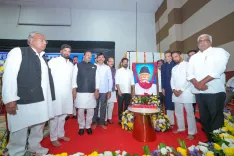
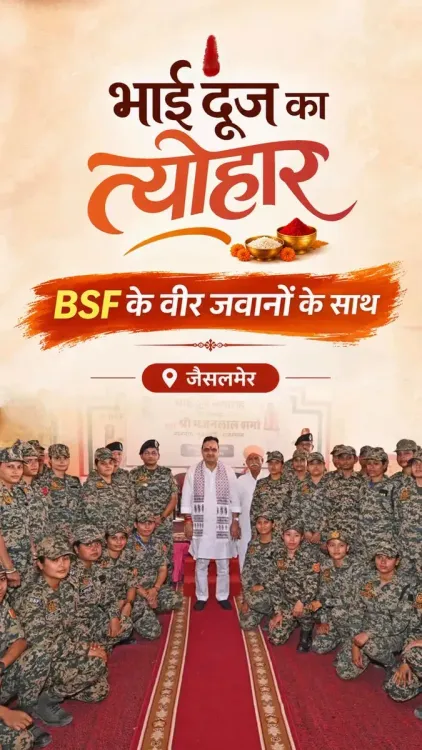
Rajasthan Chief Minister Bhajan Lal Sharma marked Bhai Dooj by offering prayers at the historic Tanot Mata Temple near Jaisalmer and celebrating the festival with BSF personnel stationed at the India-Pakistan border, saluting their courage and dedication.
Key Takeaways
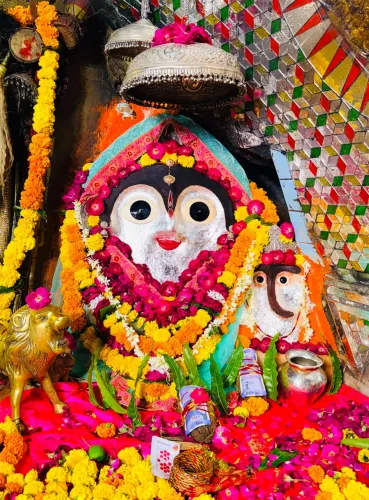
CM Bhajan Lal Sharma visited Tanot Mata Temple in Jaisalmer on Bhai Dooj to pray for Rajasthan's peace and prosperity.
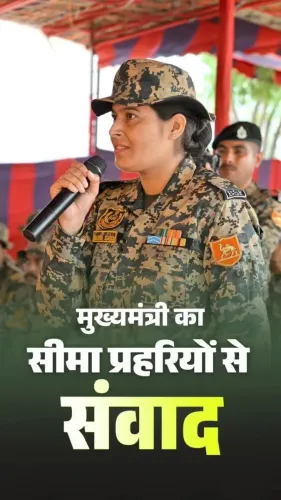
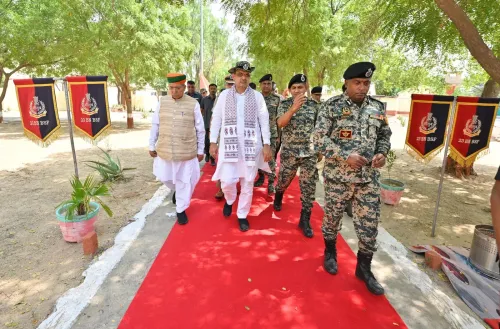
He celebrated the festival alongside BSF jawans stationed at the India-Pakistan border in Tanot.
The Chief Minister described the moments with troops as 'unforgettable' and offered koti-koti naman to their courage and dedication.
Tanot Mata Temple is managed by the BSF and holds deep significance for India's border security forces.
The visit reflects a broader pattern of border-state leaders reinforcing civil-military bonds during major Hindu festivals.
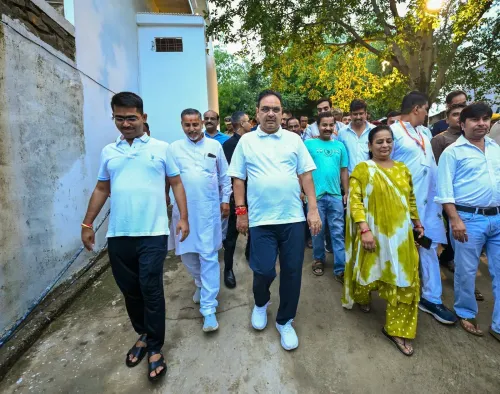
On the auspicious occasion of Bhai Dooj, Rajasthan Chief Minister Bhajan Lal Sharma travelled to the edge of the republic — to the ancient Tanot Mata Temple in Jaisalmer — to offer prayers for the state's peace and prosperity, and then spent the festival alongside the soldiers of the Border Security Force who stand watch on India's western frontier every hour of every day.
Prayers at a Temple That History Remembers
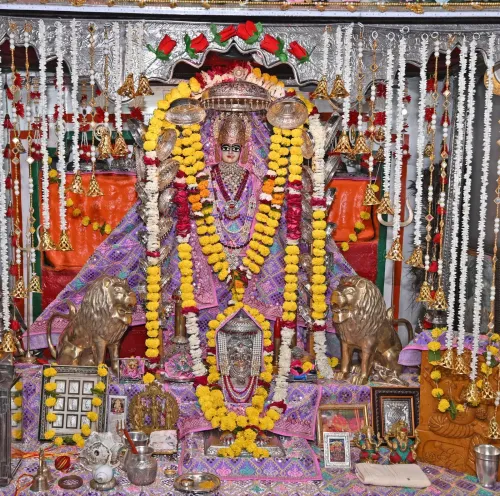
Perched near the India-Pakistan border in the Thar Desert, the Tanot Mata Temple is no ordinary pilgrimage site. The shrine has been a focal point of local reverence for generations and carries deep emotional resonance for the Indian armed forces — particularly the BSF, which has maintained and managed the temple for decades. CM Sharma performed darshan-pujan evam aaradhana (worship and devotion), seeking, in his words, 'happiness, prosperity and well-being' for the people of Rajasthan.
The choice of Tanot — remote, symbolic, strategically charged — over a city temple is itself a statement. Border-state leaders who mark major festivals at frontier shrines signal both cultural continuity and solidarity with the men and women in uniform posted far from their own families.
Bhai Dooj on the Frontier — With the BSF
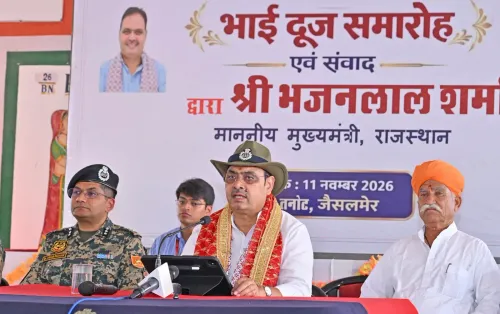
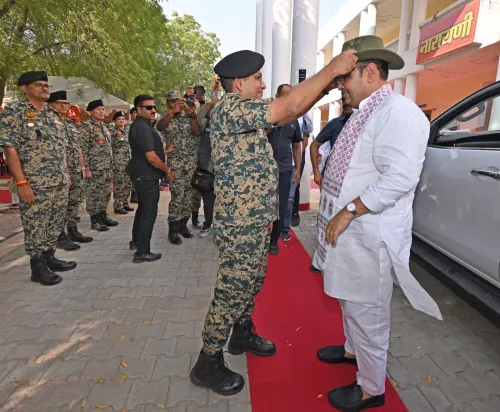
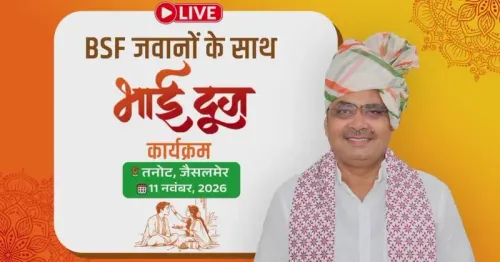
After the prayers, Sharma celebrated Bhai Dooj with BSF personnel at Tanot in what he described as 'unforgettable moments of warmth, affection and respect.' The festival, observed the day after Diwali, is built around the bond between siblings — a fitting occasion, in Indian cultural idiom, to extend familial solidarity to those who guard the border so the rest of the country can celebrate at home.
The Chief Minister saluted the troops' 'indomitable courage, unparalleled valour and unbreakable dedication to the motherland' — offering, as he put it, koti-koti naman (a salute a crore times over) to these sarhadon ke sajag prahari (vigilant sentinels of the border).
A Border District Where Culture and Security Are Inseparable
Jaisalmer is not just a desert heritage destination. It sits in one of India's most strategically sensitive corridors, and the BSF's western sector deployment here is a permanent operational reality. For Rajasthan's political leadership, visiting border outposts during major festivals has become a consistent gesture — part public recognition of troop sacrifice, part assertion that the state's culture extends all the way to its last sand dune.
The gesture lands differently in 2026, as border-state governments across India have heightened their public engagement with frontier security forces during festive seasons, reinforcing a narrative of civil-military camaraderie that resonates deeply with Rajasthan's historically martial communities.
When a Chief Minister spends Bhai Dooj not in Jaipur but at a desert border temple with soldiers, the message to the state — and to those soldiers — is unambiguous: the festival belongs to them too.
Point of View
Reinforcing the BJP's sustained effort to position itself as the natural guardian of both cultural heritage and national security. Border-state chief ministers who regularly appear at frontier outposts during festivals build durable goodwill with security-force communities and their families, a constituency that votes with strong cohesion. The choice of Tanot over a Jaipur venue also signals that the government's festive calendar extends beyond urban optics to the state's most remote and strategically sensitive margins — a message with real resonance in a desert district that has seen conflict firsthand.
NationPress
11 Nov 2026
Frequently Asked Questions
Why did CM Bhajan Lal Sharma visit Tanot Mata Temple on Bhai Dooj?
CM Bhajan Lal Sharma visited the Tanot Mata Temple in Jaisalmer to offer prayers for Rajasthan's well-being and to celebrate Bhai Dooj with BSF jawans stationed at the India-Pakistan border, expressing gratitude for their service.
Where is Tanot Mata Temple located?
Tanot Mata Temple is located in the Jaisalmer district of Rajasthan, near the India-Pakistan border in the Thar Desert. It is managed by the Border Security Force and holds deep significance for India's military.
What is the significance of Tanot Mata Temple for the BSF?
The BSF has managed the Tanot Mata Temple for decades and considers it deeply significant, particularly because of the shrine's association with protection during the 1965 India-Pakistan conflict. It serves as a place of worship for troops posted in the region.
What did CM Bhajan Lal Sharma say about the BSF jawans?
CM Sharma paid tribute to the BSF's 'indomitable courage, unparalleled valour and unbreakable dedication to the motherland,' offering koti-koti naman — a salute a crore times over — to these sentinels of the border.
What is Bhai Dooj and when is it celebrated?
Bhai Dooj is a Hindu festival celebrating the bond between brothers and sisters, observed the day after Diwali. In 2026, it fell on November 11, and CM Sharma chose to mark it with BSF personnel at the Tanot border post in Jaisalmer.