CM Dhami Hails Cabinet Decisions on Farmers, MSMEs and Heritage
Synopsis
The Union Cabinet chaired by PM Modi approved a ₹62,370 crore fertilizer subsidy for Rabi 2026-27, extended PM Mudra Yojana's credit guarantee fund to 2031 with ₹5,000 crore, stretched Stand-Up India by five years targeting 2.5 lakh new entrepreneurs, and greenlit the Yuge Yugeen Bharat Museum. Uttarakhand CM Dhami welcomed all four decisions.
Key Takeaways
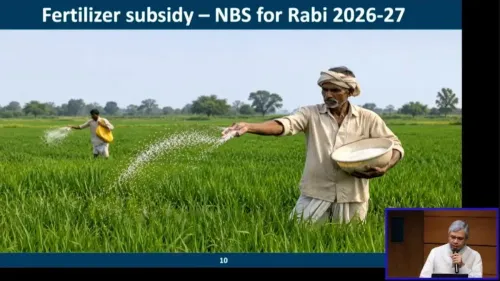
The Union Cabinet approved a fertilizer subsidy of more than ₹62,370 crore for the Rabi season 2026–27 to ensure affordable farm inputs.
The PM Mudra Yojana Credit Guarantee Fund has been extended to 2031 with a fresh corpus of ₹5,000 crore to support micro and small enterprises.
The Stand-Up India scheme has been extended by five years with a target of supporting 2.5 lakh new entrepreneurs from women, SC and ST communities.
The cabinet approved the 'Yuge Yugeen Bharat Museum' to preserve India's civilisational and cultural heritage for future generations.
Uttarakhand CM Pushkar Singh Dhami publicly welcomed all four decisions, framing them as evidence of PM Modi's whole-of-society development approach.
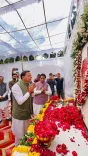
Four landmark decisions from a single cabinet meeting — and they reach from a farmer's fertilizer bag to a museum that will outlast generations. Uttarakhand Chief Minister Pushkar Singh Dhami on Wednesday, 11 November 2026 took to X to welcome a string of decisions taken at the Union Cabinet meeting chaired by Prime Minister Narendra Modi, covering fertilizer subsidies, micro-enterprise credit, women-led entrepreneurship, and cultural preservation.
₹62,370 Crore for the Rabi Season's Soil
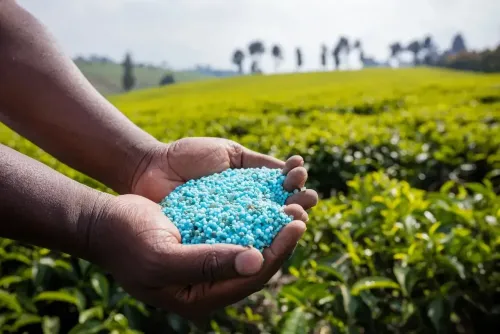
The headline number is hard to miss. The cabinet cleared a fertilizer subsidy of more than ₹62,370 crore for the Rabi season 2026–27, ensuring that farmers across the country can access fertilizers at affordable rates when they sow winter crops. The Central government has maintained a practice of approving season-specific fertilizer subsidy packages annually, shielding farmers from volatile global input prices. This approval continues that arc — but the scale of the allocation, as flagged by CM Dhami, signals an emphatic commitment heading into the winter sowing cycle.
Mudra's Credit Safety Net Extended to 2031
The Pradhan Mantri Mudra Yojana, launched in 2015 to provide collateral-free loans to non-corporate micro and small businesses, gets a significant structural top-up. The cabinet approved the continuation of the scheme's Credit Guarantee Fund through 2031, backed by a fresh corpus of ₹5,000 crore. For the small trader running a roadside kiosk, the tailoring unit in a tier-3 town, or the food-processing micro-enterprise in a village, this means the lending ecosystem that underpins their credit access remains intact for another five years. Dhami described this as 'arthik sambal' — economic anchoring — for small business owners and entrepreneurs.
Stand-Up India's Five-Year Extension and 2.5 Lakh New Targets
Perhaps the most socially consequential decision in the package: the Stand-Up India scheme, introduced in 2016 to facilitate bank loans for greenfield enterprises by women and Scheduled Caste and Scheduled Tribe entrepreneurs, has been extended by five years. The government has set a new target of providing financial support to 2.5 lakh new entrepreneurs under the extended window. The scheme was designed on a simple but powerful premise — that every bank branch in the country must have at least one SC/ST borrower and one woman borrower running a greenfield enterprise. Scaling that by 2.5 lakh new entrants is a material escalation, not just a renewal.
'Yuge Yugeen Bharat Museum' and the Case for Civilisational Memory
The fourth decision breaks from the economic register entirely. The cabinet gave the go-ahead for the 'Yuge Yugeen Bharat Museum' — literally, 'India Across the Ages' — a cultural institution intended to preserve and transmit the country's civilisational and cultural heritage to future generations. Details of the museum's location and design have not been officially specified in this announcement. CM Dhami framed it as a vehicle for ensuring that India's 'samridh sabhyatagat evam sanskritik virasat' — rich civilisational and cultural legacy — reaches generations that have not yet been born. Cultural infrastructure of this scale is increasingly part of the Centre's soft-power and identity-building portfolio.
Taken together, the four decisions sketch a familiar but deliberate policy geometry: price support at the farm gate, credit scaffolding for micro-businesses, targeted financial inclusion for the most marginalised entrepreneurs, and an investment in the story India tells about itself. The question now is execution — specifically, how quickly states like Uttarakhand can align their own delivery machinery with the extended scheme frameworks. That is the gap between a cabinet note and a changed life.
Point of View
Micro-entrepreneurs, and marginalised first-generation business owners — in a single headline announcement. Extending Mudra and Stand-Up India rather than redesigning them signals institutional confidence in the existing credit architecture while buying time against the pressure to show new ideas. The Yuge Yugeen Bharat Museum approval, bundled with welfare decisions, is a deliberate framing choice: linking economic empowerment to cultural identity in one narrative. For state leaders like CM Dhami, publicly amplifying such cabinet decisions serves a dual purpose — it aligns the state BJP with central messaging while implicitly positioning the chief minister as a conduit for Centre-to-ground delivery.
NationPress
11 Nov 2026
Frequently Asked Questions
What is the fertilizer subsidy approved by the Cabinet for Rabi 2026-27?
The Union Cabinet approved a fertilizer subsidy of more than ₹62,370 crore for the Rabi season 2026-27 to ensure farmers can access fertilizers at affordable prices during the winter sowing cycle.
What changes were made to PM Mudra Yojana in the November 2026 cabinet meeting?
The cabinet approved the continuation of the Credit Guarantee Fund under PM Mudra Yojana until 2031, with a fresh corpus of ₹5,000 crore to support collateral-free lending for micro and small businesses.
How long is the Stand-Up India scheme extended and what is the new target?
Stand-Up India has been extended by five years, with the government setting a new target of providing financial support to 2.5 lakh new entrepreneurs from women, Scheduled Caste, and Scheduled Tribe communities.
What is the Yuge Yugeen Bharat Museum?
The Yuge Yugeen Bharat Museum — meaning 'India Across the Ages' — is a government-approved cultural institution designed to preserve and transmit India's civilisational and cultural heritage to future generations.
Why did CM Pushkar Singh Dhami comment on Union Cabinet decisions?
As Uttarakhand Chief Minister and a senior BJP leader, Dhami routinely welcomes central government policy announcements that affect his state's farmers, small businesses, and marginalised communities, aligning state messaging with the Centre's agenda.