CM Yogi Backs ₹62,370 Cr NBS Subsidy for Rabi Farmers
Synopsis
The Union Cabinet approved nearly ₹62,370.02 crore in Nutrient Based Subsidy for P&K fertilizers for Rabi 2026-27. UP Chief Minister Yogi Adityanath praised PM Modi's farmer-welfare commitment, saying the decision will ensure affordable fertilizers and help cut cultivation costs for millions of Indian farmers.
Key Takeaways
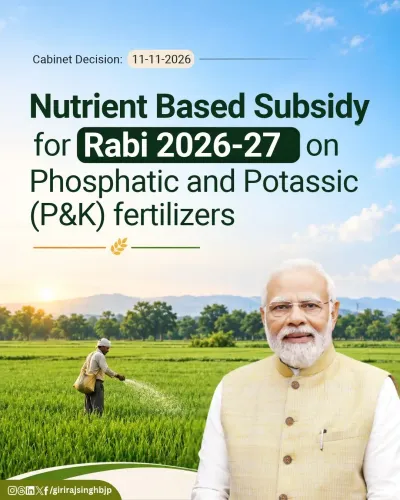
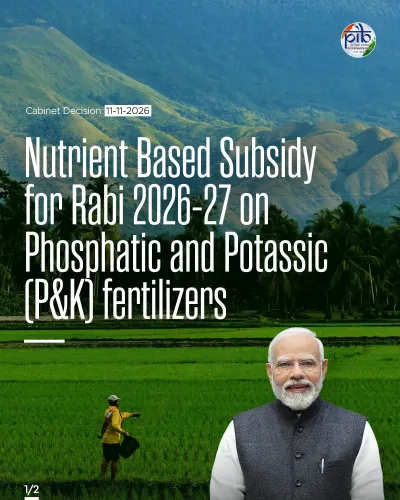
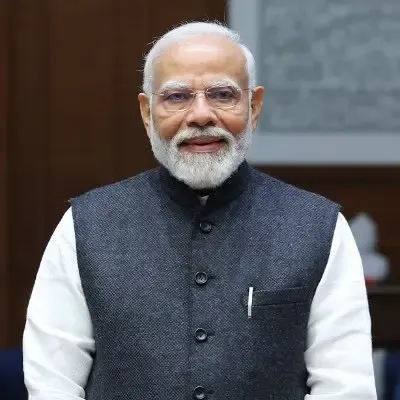
The Union Cabinet, chaired by PM Narendra Modi , approved NBS rates for P&K fertilizers for Rabi season 2026-27 at an outlay of nearly ₹62,370.02 crore .
The Nutrient Based Subsidy (NBS) scheme, in place since April 2010 , links support to nutrient content rather than fixed per-product concessions.
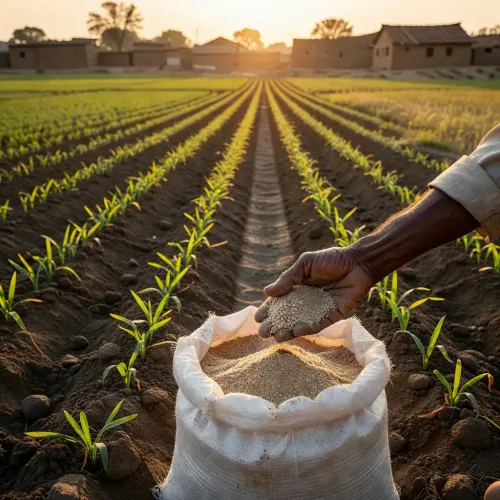
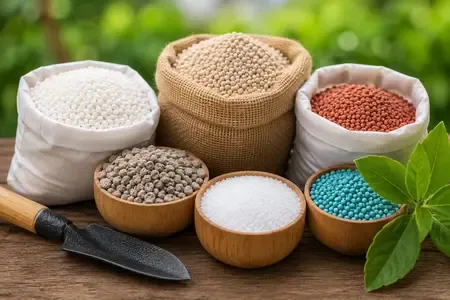
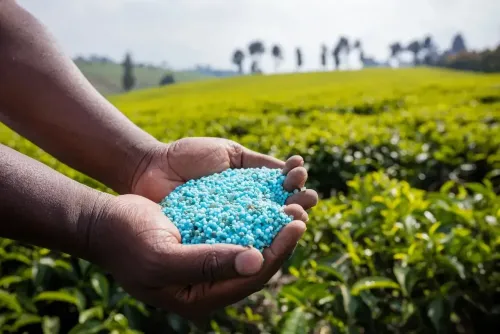
The subsidy is designed to keep phosphate and potash fertilizers — including DAP and MOP — affordable for farmers during the Rabi sowing window of October–December.
CM Yogi Adityanath welcomed the decision as part of a continuous chain of farmer-welfare measures under the Modi government.
The real-world impact will depend on timely subsidy disbursement, adequate retail stock availability, and global potash price movements.
Uttar Pradesh , India's largest wheat-producing state, has a significant stake in smooth P&K supply chains during the Rabi season.
With the Rabi sowing season already under way, the Union Cabinet has approved a fertilizer subsidy package of nearly ₹62,370.02 crore — one of the largest seasonal allocations under the Nutrient Based Subsidy scheme — to keep phosphate and potash affordable for millions of Indian farmers. Uttar Pradesh Chief Minister Yogi Adityanath, welcoming the decision on Wednesday, 11 November 2026, said it directly serves the twin national goals of cutting cultivation costs and raising farm incomes.
Posting on X in Hindi, CM Yogi wrote: 'खेती की लागत घटे और अन्नदाता की आमदनी बढ़े' — 'Let farming costs fall and the breadwinner's income rise' — framing the Cabinet move as the embodiment of Prime Minister Narendra Modi's sustained commitment to farmer welfare. He credited PM Modi's chairmanship of the Cabinet meeting as the driving force behind the approval of Nutrient Based Subsidy (NBS) rates for Phosphate and Potash (P&K) fertilizers for the Rabi season 2026-27.What the ₹62,370 Crore NBS Approval Means for Rabi Sowing
The NBS scheme, introduced in April 2010, links subsidy payments to the actual nutrient content of fertilizers — nitrogen, phosphate, potash and sulphur — rather than fixing a blanket concession on each product. This design allows the government to calibrate support season by season while encouraging farmers to use a balanced mix of nutrients rather than defaulting to cheaper, over-applied urea.
For the Rabi 2026-27 season — which covers crops like wheat, mustard and pulses sown primarily between October and December — the approved outlay ensures that manufacturers and importers receive subsidy reimbursements that allow them to sell P&K fertilizers at prices farmers can actually afford. Without the seasonal NBS notification, retail prices for di-ammonium phosphate (DAP) and muriate of potash (MOP) would reflect unsubsidised global market rates, which have remained volatile in recent years.
A Recurring Policy Tool With Growing Fiscal Weight
The scale of this approval — nearly ₹62,370 crore for a single Rabi season — underlines how central fertilizer subsidies have become to India's agricultural support architecture. Post-2014 farm policy has layered multiple instruments: direct income transfers under PM-KISAN, minimum support price revisions at harvest, and input subsidies like NBS at sowing time, creating a year-round support calendar keyed to the crop cycle.
CM Yogi's post explicitly connects this Cabinet decision to the broader BJP narrative of 'kisaan kalyan' (farmer welfare) and frames it as a chain of ongoing steps — 'is shrinkhala mein', meaning 'in this series' — signalling that Lucknow and New Delhi are projecting the move as part of a continuous policy commitment rather than a one-off gesture.
What Farmers and Markets Will Watch Next
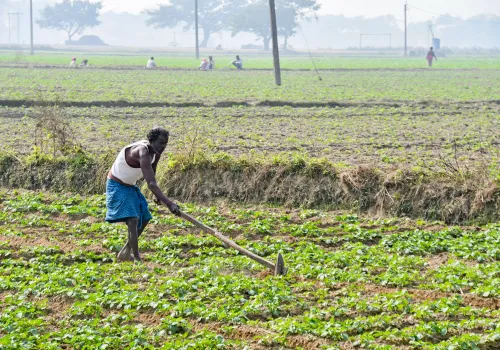
The approval of NBS rates is a necessary but not sufficient step. Actual impact on the ground depends on how quickly the approved subsidy reaches manufacturers and distributors, and whether retail stocks of DAP and MOP are adequate at the block and tehsil level as sowing peaks. Uttar Pradesh, as India's largest wheat-producing state, has a direct stake in smooth fertilizer supply chains — any shortage or price spike during the critical sowing window can directly dent yields and farm incomes in the state CM Yogi governs.
Analysts will also track whether supplementary allocations become necessary in the next Union Budget, particularly if global potash prices — heavily influenced by supply dynamics from Russia, Belarus and Canada — remain elevated through the season.
Sixty-two thousand crore rupees committed before a single seed goes into the ground. That is the government's opening bet on the Rabi harvest — and by harvest time, every rupee will have to show up in the farmer's pocket, not just on a Cabinet approval sheet.
Point of View
Allowing both the central and state governments to amplify farmer-welfare messaging. For CM Yogi, endorsing the move is doubly strategic — UP's wheat belt is both a critical food-security zone and a dense electoral constituency. The ₹62,370 crore figure, however, will face scrutiny on actual disbursement velocity, since the gap between Cabinet approval and farmgate availability has historically been a pressure point for opposition parties ahead of budget season.
NationPress
11 Nov 2026
Frequently Asked Questions
What is the Nutrient Based Subsidy (NBS) scheme for fertilizers?
The Nutrient Based Subsidy (NBS) scheme, introduced in April 2010, provides government subsidies to fertilizer manufacturers and importers based on the nutrient content — phosphate, potash, nitrogen and sulphur — of their products, allowing them to sell at affordable prices to farmers.
How much subsidy did the Cabinet approve for Rabi 2026-27 fertilizers?
The Union Cabinet approved NBS rates for phosphate and potash (P&K) fertilizers for Rabi season 2026-27 at a total outlay of approximately ₹62,370.02 crore.
Which fertilizers are covered under the P&K NBS approval?
The approval covers phosphate and potash fertilizers, which include widely used inputs like di-ammonium phosphate (DAP) and muriate of potash (MOP) that farmers apply at sowing time.
What did CM Yogi Adityanath say about the fertilizer subsidy decision?
CM Yogi Adityanath praised the Cabinet decision on X, saying it aligns with PM Modi's resolve to reduce farming costs and raise farmer incomes, and that it will ensure uninterrupted availability of fertilizers at affordable prices for millions of farmers.
When is the Rabi sowing season in India?
The Rabi season refers to the winter crop cycle, with sowing typically occurring between October and December and harvesting between March and May. Key Rabi crops include wheat, mustard and pulses.