CM Yogi Hails Cabinet Nod for Noida Metro Aqua Line Extension

Synopsis
The Union Cabinet cleared the extension of Noida's Metro Aqua Line from Noida Sector-51 to Greater Noida Sector-04 on November 11, 2026. UP CM Yogi Adityanath praised PM Modi's leadership and said the move will boost the NCR's urban infrastructure and commuter ease.
Key Takeaways
The Union Cabinet approved the Noida Metro Aqua Line extension from Noida Sector-51 to Greater Noida Sector-04 on November 11, 2026 .
CM Yogi Adityanath publicly welcomed the decision, attributing it to PM Narendra Modi 's leadership and the vision of a 'New India.' The extension falls under the existing Noida Metro Rail Project and will expand metro connectivity deeper into the Gautam Buddh Nagar district of Uttar Pradesh.
The original Aqua Line became operational in 2019 ; this Cabinet clearance marks the first major approved extension of that corridor.
The move aligns with the AMRUT framework (launched 2015) and a broader pattern of central government metro clearances for NCR suburbs since 2014.
Project timelines, land acquisition, and Ministry of Housing and Urban Affairs funding announcements remain key milestones to watch.
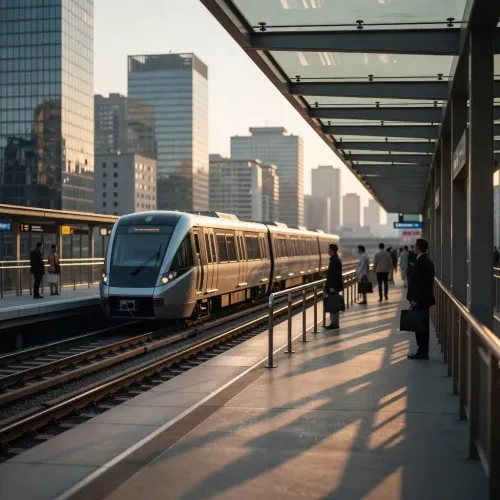
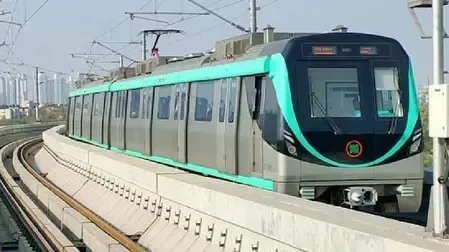
A metro corridor that stops halfway is a city held back by half a decision — and on Wednesday, November 11, 2026, the Union Cabinet moved to close that gap. Uttar Pradesh Chief Minister Yogi Adityanath welcomed the central government's approval of an extension to the Noida Metro Aqua Line, stretching it from Noida Sector-51 all the way to Greater Noida Sector-04 under the broader Noida Metro Rail Project.
Posting on X, CM Yogi credited the decision to Prime Minister Narendra Modi's leadership, writing: 'Naye Bharat ki vikas yatra ko aur gati pradan karte hue' — 'giving further momentum to the development journey of the new India' — the Cabinet has approved the Aqua Line corridor extension. He thanked the Prime Minister 'from the heart' for making urban commuting 'more smooth and convenient.'
What the Aqua Line Extension Actually Covers
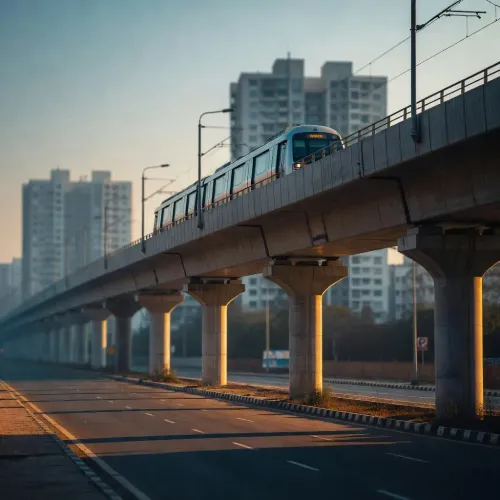
The Noida Metro Aqua Line first became operational in 2019, linking Noida and Greater Noida along a corridor that opened up the Gautam Buddh Nagar district of Uttar Pradesh to rapid transit for the first time. The now-approved extension pushes the network deeper into Greater Noida, connecting Sector-51 in Noida to Sector-04 in Greater Noida — a stretch that serves one of the National Capital Region's fastest-growing residential and institutional zones.
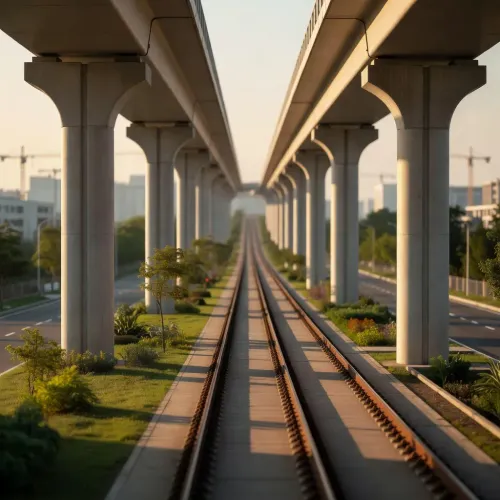
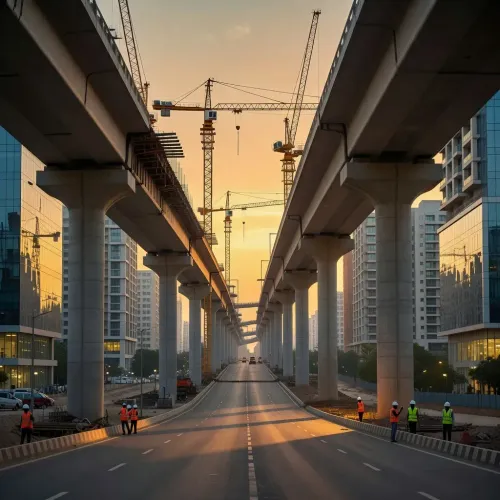
The expansion falls under the Noida Metro Rail Project, adding to a network that has steadily grown since the Aqua Line's inauguration. The Cabinet clearance marks the formal green light for planning, procurement, and eventual construction to begin on this new segment.
NCR's Metro Expansion Push and the AMRUT Framework
The approval fits squarely into a pattern of central government-backed metro expansions across NCR suburbs since 2014. Much of the urban transit push draws from the Atal Mission for Rejuvenation and Urban Transformation (AMRUT), launched in 2015, which placed metro connectivity at the centre of tier-two urban planning. Cabinet clearances for similar connectivity projects — in Agra, Kanpur, and Delhi's peripheral corridors — have followed a similar arc: central approval, state coordination, and phased implementation.
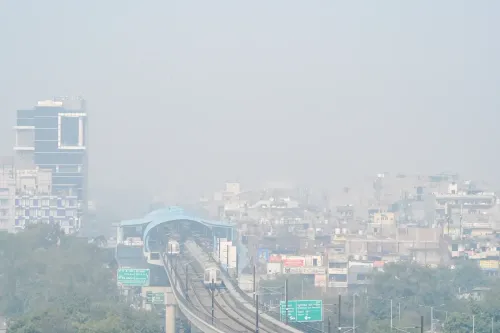
For Greater Noida, a planned urban zone designed to absorb Delhi's overflow, improved metro access is not just a convenience — it is an infrastructure prerequisite for the commercial and residential density the city has already committed to on paper. Developers, educational institutions, and IT parks concentrated in the Sector-04 belt stand to gain the most direct benefit from the extended line.
What Comes Next for the Corridor
Cabinet approval is the starting gun, not the finish line. The corridor's journey from approval to commuter will depend on project implementation timelines, land acquisition status along the alignment, and follow-up funding announcements from the Ministry of Housing and Urban Affairs. CM Yogi's government in Lucknow will now coordinate with the Noida Metro Rail Corporation on the state's share of the project structure.
With the NCR's population pressure showing no sign of easing, every new metro kilometre approved today is a congestion crisis avoided tomorrow — and this Cabinet nod just added a few more of them to the map.
Point of View
Welcoming a central clearance that directly benefits the Noida-Greater Noida corridor strengthens the 'double engine sarkar' narrative — Centre and state moving in alignment. The AMRUT framework gives these approvals structural continuity beyond any single political moment, but the speed and visibility of Cabinet clearances in UP's NCR belt suggests the political calculus is very much part of the equation. Execution — timelines, land acquisition, funding draw-down — will be the real test of whether this approval translates into the urban mobility dividend it promises.
NationPress
11 Nov 2026
Frequently Asked Questions
What is the Noida Metro Aqua Line extension approved in November 2026?
The Union Cabinet approved extending the Noida Metro Aqua Line from Noida Sector-51 to Greater Noida Sector-04 under the Noida Metro Rail Project, deepening metro connectivity in the National Capital Region.
When did the original Noida-Greater Noida Aqua Line metro start running?
The original Noida-Greater Noida Aqua Line became operational in 2019, making it the first rapid transit corridor for the Gautam Buddh Nagar district.
Why did CM Yogi Adityanath welcome the Aqua Line extension?
CM Yogi said the extension will give new momentum to urban infrastructure development and make commuting more smooth and convenient for residents of Noida and Greater Noida.
What is AMRUT and how does it relate to metro projects in UP?
AMRUT — Atal Mission for Rejuvenation and Urban Transformation — was launched in 2015 and has underpinned metro connectivity expansion in UP and other NCR cities as part of a broader urban transit push.
What are the next steps after the Cabinet approves the Aqua Line corridor?
Following Cabinet clearance, the project moves to implementation planning, land acquisition, and funding coordination between the Noida Metro Rail Corporation, the UP government, and the Ministry of Housing and Urban Affairs.