Puri Highlights 4 Cabinet Calls: Museum, Metro, MSME Schemes
Synopsis
The Union Cabinet under PM Modi approved four landmark decisions: the Yuge Yugeen Bharat Museum at North-South Block, an 8.449 km Noida metro extension, and five-year renewals of Stand-Up India and CGFMU schemes targeting 2.5 lakh new entrepreneurs and ₹12.6 lakh crore in micro-unit loans by 2031.
Key Takeaways
Yuge Yugeen Bharat Museum approved for development at North and South Block Complex , New Delhi, to showcase India's civilisational heritage.
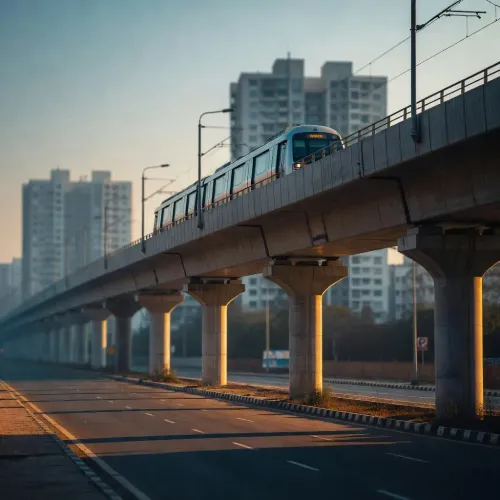
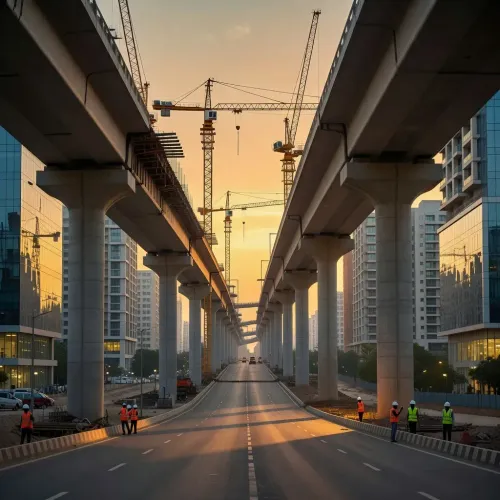
Aqua Line Metro extended from Noida Sector-51 to Greater Noida Sector-4 — 8.449 km , 5 new stations .
Combined Noida–Greater Noida active metro network will reach 71.878 km upon operationalisation.
Stand-Up India Scheme extended to 31 March 2031 ; targets 2.5 lakh additional SC/ST and women entrepreneurs.
CGFMU extended to 31 March 2031 , projected to enable loans worth ₹12.6 lakh crore for micro enterprises.
Four decisions, one cabinet meeting — and each one lands in a different corner of Indian life. Union Petroleum Minister Hardeep Singh Puri on Wednesday, November 11, 2026 spotlighted a sweeping set of Union Cabinet approvals cleared under Prime Minister Narendra Modi, ranging from a civilisational museum at the heart of New Delhi's power corridor to a metro extension threading deeper into the NCR, and two critical MSME credit schemes extended through 2031.
A museum where the files used to live
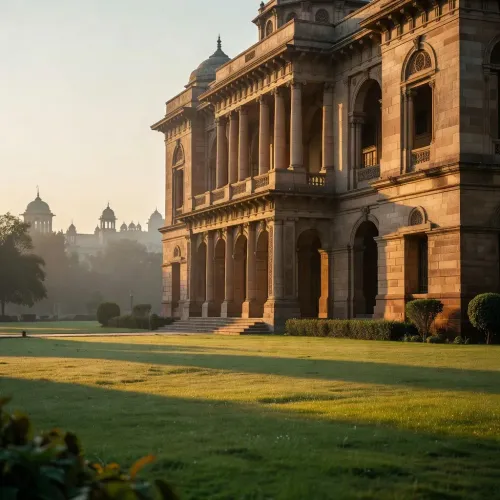
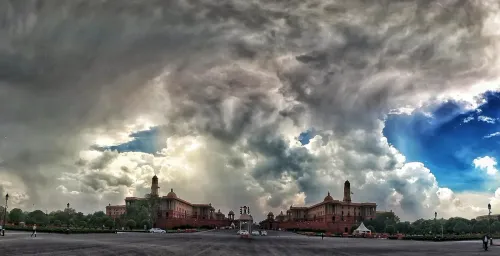
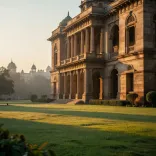
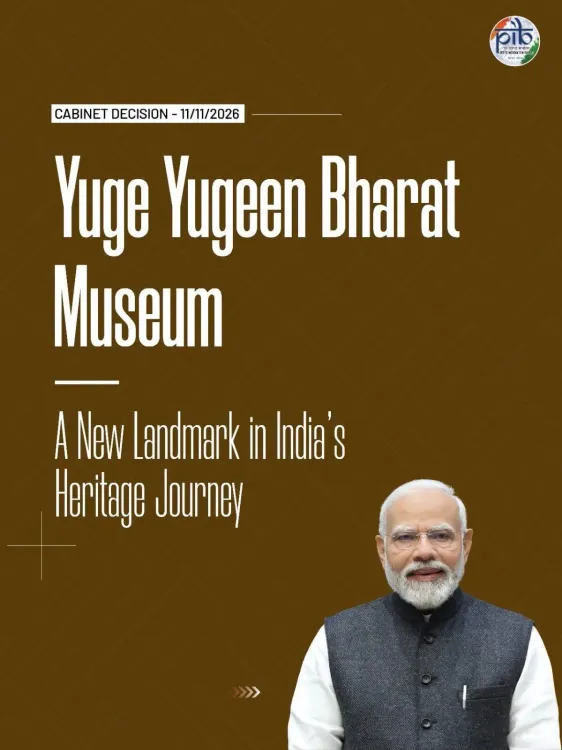
The most symbolically charged decision is the development of the Yuge Yugeen Bharat Museum at the North and South Block Complex in New Delhi. These are not ordinary buildings — North Block houses the Finance Ministry and South Block the Ministry of External Affairs, two of the most consequential addresses in Indian governance. Converting that complex into a showcase of 'the continuity and diversity of Bharat's civilisational heritage and cultural legacy,' as the cabinet framing puts it, is a statement as much as it is a construction project. It follows the broader impulse behind recent heritage-linked redevelopment efforts at India's most storied government precincts.
Noida–Greater Noida metro push: 8.449 km, five new stations
On urban mobility, the cabinet cleared an extension of the Aqua Line Metro Corridor from Noida Sector-51 to Greater Noida Sector-4 — a stretch of 8.449 km with 5 stations. The Aqua Line's first phase went operational in 2019, connecting the two satellite cities but leaving significant demand unmet on the Greater Noida end. Once the extension is live, Noida and Greater Noida together will command a combined active metro network of 71.878 km — a figure that would rank the corridor among the more substantial city-level metro systems in the country.
Stand-Up India extended: 2.5 lakh new entrepreneurs by 2031
Launched in April 2016, the Stand-Up India Scheme was built for one precise purpose: get bank loans of ₹10 lakh to ₹1 crore into the hands of Scheduled Caste, Scheduled Tribe, and women entrepreneurs who the formal credit system had historically bypassed. The cabinet has now extended it by five years to 31 March 2031, with a target of reaching an additional 2.5 lakh entrepreneurs in that window. A decade on from its launch, the scheme represents one of the more durable instruments in India's financial-inclusion toolkit.
CGFMU renewal: ₹12.6 lakh crore in micro-unit loans on the table
Running alongside it is the Credit Guarantee Fund for Micro Units (CGFMU), also extended by five years to 31 March 2031. The CGFMU backstops loans to micro enterprises within the Mudra ecosystem — without a guarantee fund, lenders balk at ticket sizes too small to justify collateral demands. The cabinet's projection: loans worth ₹12.6 lakh crore unlocked over the next five years. That is not a rounding number. If achieved, it would represent a substantial deepening of credit access for India's vast base of micro enterprises, the backbone of informal employment.
Four decisions, four different sectors — culture, urban infrastructure, women-led enterprise, and micro finance. The breadth is deliberate. The delivery timelines — the metro extension's construction clock and the loan disbursement targets running to 2031 — are where intent meets accountability.
Point of View
While the Yuge Yugeen Bharat Museum project deepens the government's investment in civilisational branding at its most visible address. The Noida metro extension, meanwhile, keeps NCR urban development moving forward at a moment when satellite-city congestion is a live voter concern. Together, the decisions reinforce a governance posture that places heritage, mobility, and marginalised entrepreneurship in the same frame.
NationPress
11 Nov 2026
Frequently Asked Questions
What is the Yuge Yugeen Bharat Museum?
The Yuge Yugeen Bharat Museum is a new cultural museum approved by the Union Cabinet to be built at the North and South Block Complex in New Delhi, designed to showcase the continuity and diversity of India's civilisational heritage and cultural legacy.
What is the Noida metro Aqua Line extension route and length?
The approved extension runs from Noida Sector-51 to Greater Noida Sector-4, covering 8.449 km with 5 new stations, bringing the combined Noida–Greater Noida active metro network to 71.878 km.
What is the Stand-Up India Scheme and who benefits from it?
Stand-Up India, launched in April 2016, provides bank loans of ₹10 lakh to ₹1 crore to Scheduled Caste, Scheduled Tribe, and women entrepreneurs. The cabinet has extended it to 31 March 2031 with a target of 2.5 lakh additional beneficiaries.
What is CGFMU and why was it extended?
The Credit Guarantee Fund for Micro Units (CGFMU) provides credit guarantees for loans to micro enterprises within the Mudra ecosystem. It has been extended to 31 March 2031 to enable an estimated ₹12.6 lakh crore in micro-unit loans over the next five years.
When did the Noida Metro Aqua Line first become operational?
The Noida Metro Aqua Line's first phase became operational in 2019, connecting Noida and Greater Noida. The newly approved extension will add 8.449 km to the existing network.