Sonowal: Indian Seafarer Injured in Persian Gulf Tanker Attack
Synopsis
Union Minister Sarbananda Sonowal confirmed that one Indian seafarer was among four injured when Liberia-flagged VLCC MT FUJAIRAH ENERGY was struck by a projectile in the Persian Gulf on November 10, 2026. The injured national has been brought ashore; the remaining five Indian crew members are safe.
Key Takeaways
VLCC MT FUJAIRAH ENERGY , a Liberia-flagged supertanker, was struck by a projectile in the Persian Gulf on November 10, 2026 while transiting from Al Ruwais to Dubai .
Six Indian seafarers were on board; one sustained minor injuries and has been safely evacuated ashore for medical examination.
A total of four crew members were injured in the attack; the remaining 18 crew members , including five other Indian nationals, are safe.
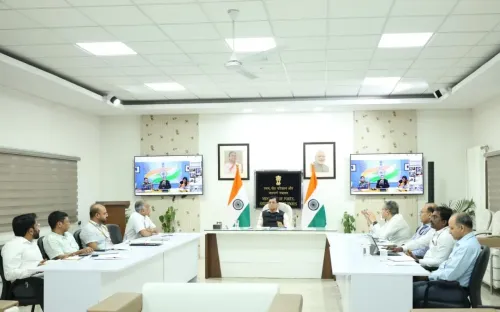
Union Minister Sarbananda Sonowal confirmed the incident and said the ministry is in continuous contact with the ship management company.
The origin and nature of the projectile have not yet been officially identified; further updates on the investigation are expected.
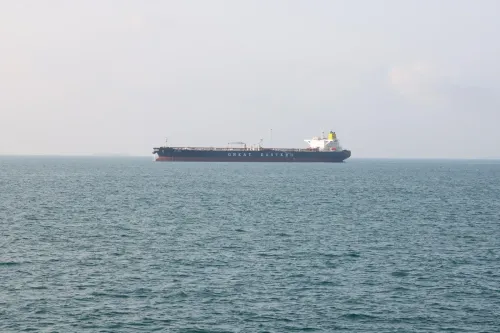
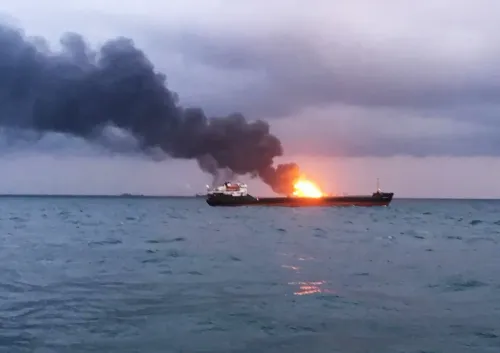
An oil tanker carrying six Indian seafarers was struck by a projectile in the Persian Gulf on November 10, 2026, as it transited from Al Ruwais to Dubai — and Union Minister of Ports, Shipping and Waterways Sarbananda Sonowal confirmed the attack on November 11, providing the first official account of the incident and the status of Indian nationals on board.
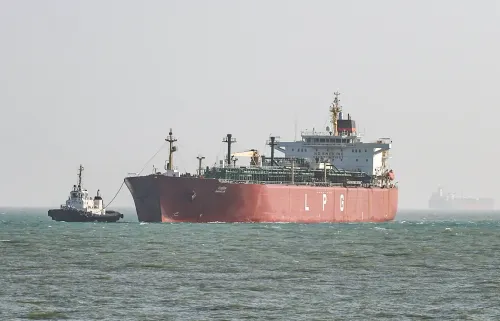
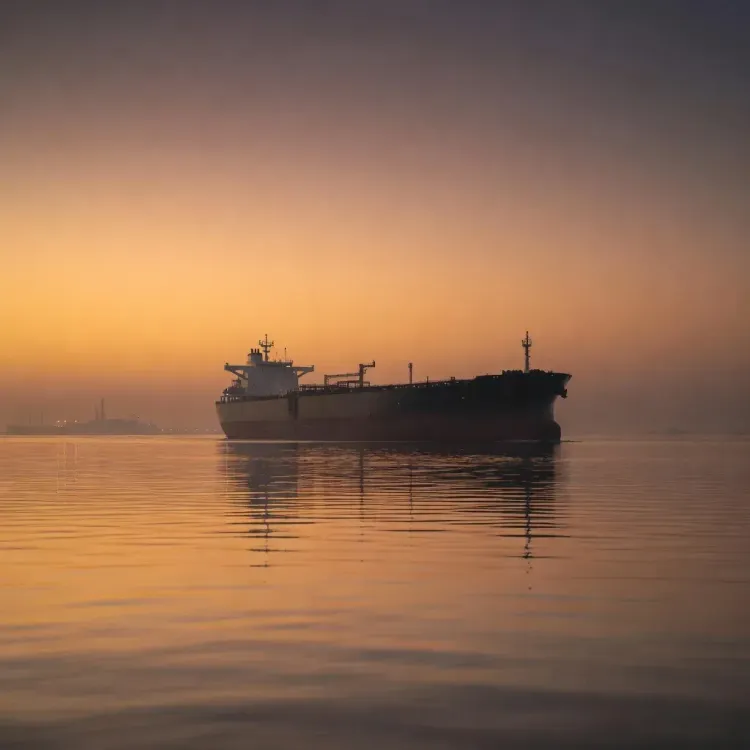
The vessel, Liberia-flagged VLCC MT FUJAIRAH ENERGY, is a Very Large Crude Carrier — the class of supertanker that forms the backbone of Gulf oil logistics. Four crew members sustained injuries in the strike. Among them, one Indian national suffered minor injuries and has been safely brought ashore for medical examination. The remaining 18 crew members, including the other five Indian seafarers, are safe and accounted for.
What the projectile strike means for Gulf shipping lanes
The Persian Gulf is among the world's most strategically loaded waterways — a chokepoint through which a significant share of global crude oil moves every day. Commercial vessels transiting its waters have periodically faced security incidents tied to regional tensions, and a strike on a supertanker on a routine run between two UAE ports underscores how exposed even workaday cargo voyages remain in this corridor.
The MT FUJAIRAH ENERGY was on a short inter-UAE transit — Al Ruwais, the site of one of the region's major petrochemical hubs, to Dubai — when it was hit. The flag state is Liberia, one of the world's largest ship registries, meaning India's leverage runs through coordination with both Monrovia and the vessel's commercial management company rather than a bilateral government channel alone.
India's seafarer welfare machinery kicks in
India is one of the world's largest suppliers of maritime labour, with hundreds of thousands of its nationals serving on foreign-flagged vessels at any given time. The Ministry of Ports, Shipping and Waterways routinely functions as the primary government interface when Indian seafarers face emergencies abroad — coordinating with flag states, ship managers, and diplomatic missions to track crew welfare and facilitate medical evacuation or repatriation when needed.
Minister Sonowal confirmed that his ministry is 'continuously monitoring the situation and remain in close contact with the ship management company to ensure the ongoing security, medical care and wellbeing of our seafarers.' The injured Indian national's evacuation ashore signals that the standard protocol — prioritise medical access, then account for all remaining crew — is already under way.
What comes next: investigation and further medical updates
The nature and origin of the projectile have not yet been officially identified. The ministry's statement focuses on crew welfare rather than attribution — which is consistent with the government's immediate priorities but leaves open the larger question of who carried out the strike and why. Watch for further statements from the Ministry of External Affairs and India's diplomatic missions in the UAE as the investigation develops.
India has approximately 1.7 million seafarers in its registered maritime workforce, many of whom sail through the Gulf on any given day. One strike, one injured national, one supertanker — but the incident is a reminder that for New Delhi, maritime security in the Persian Gulf is never just a regional headline. It is a live welfare question for tens of thousands of Indian families.
Point of View
New Delhi has a structural stake in Gulf shipping security that goes well beyond diplomacy. Sonowal's swift public update reflects a government that has learned, through past incidents in the Red Sea and Gulf of Oman, that silence on crew welfare quickly becomes a political liability. The unresolved attribution question — who fired the projectile and why — will determine whether this remains a welfare incident or escalates into a formal diplomatic file.
NationPress
11 Nov 2026
Frequently Asked Questions
What happened to the MT FUJAIRAH ENERGY in the Persian Gulf?
The Liberia-flagged VLCC MT FUJAIRAH ENERGY was struck by a projectile on November 10, 2026, while transiting the Persian Gulf from Al Ruwais to Dubai. Four crew members were injured in the attack.
How many Indian seafarers were on the attacked tanker?
Six Indian seafarers were on board the MT FUJAIRAH ENERGY. One sustained minor injuries and was taken ashore for medical examination; the remaining five are safe.
What is India's government doing about the Persian Gulf tanker attack?
Union Minister Sarbananda Sonowal confirmed that the Ministry of Ports, Shipping and Waterways is continuously monitoring the situation and is in close contact with the ship management company to ensure the security, medical care, and wellbeing of the Indian seafarers.
Who is responsible for the attack on MT FUJAIRAH ENERGY?
As of the minister's statement on November 11, 2026, the origin and nature of the projectile have not been officially identified. An investigation is expected to follow.
What is a VLCC and why does the Persian Gulf matter for shipping?
A VLCC, or Very Large Crude Carrier, is a supertanker designed to transport massive quantities of crude oil. The Persian Gulf is one of the world's most critical shipping corridors, through which a large share of global oil exports transits.