Sonowal: 29 Indian seafarers safe after Hormuz tanker attacks
Synopsis
Union Minister Sarbananda Sonowal confirmed on October 30, 2026 that all 29 Indian seafarers aboard two tankers — MT ARZANAH and MT LOUISE 1 — are safe after separate projectile attacks in the Strait of Hormuz on consecutive days. The ministry is coordinating with ship management companies.
Key Takeaways
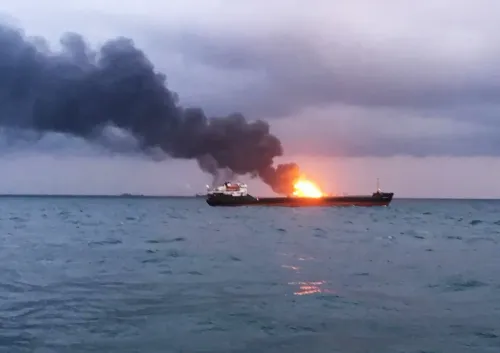
MT ARZANAH , a Liberia-flagged VLCC with 2 Indian nationals , was struck by a projectile attack in the Strait of Hormuz on October 29, 2026 .
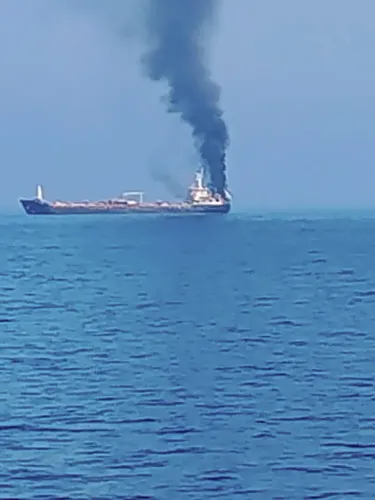
MT LOUISE 1 , a Panama-flagged crude oil tanker with 27 Indian seafarers , was attacked in the same waterway on October 30, 2026 .
All 29 Indian crew members across both vessels are confirmed safe with no injuries.
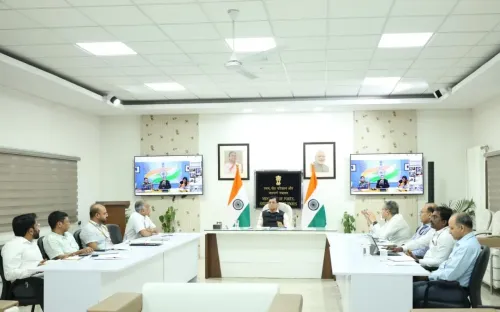
Union Minister Sarbananda Sonowal issued the update and confirmed the ministry is continuously monitoring and coordinating with ship management companies.
The Strait of Hormuz is a critical global oil chokepoint between Iran and Oman; attacks on tankers there have occurred periodically during periods of regional geopolitical tension.
Two commercial vessels carrying 29 Indian seafarers were struck by projectile attacks in the Strait of Hormuz on consecutive days — and every single crew member walked away unharmed. Union Minister of Ports, Shipping and Waterways Sarbananda Sonowal issued an urgent public update on Friday, October 30, 2026, confirming the safety of all Indian nationals aboard both ships and signalling that New Delhi is actively monitoring the situation.
Two ships, two days, one of the world's most volatile waterways
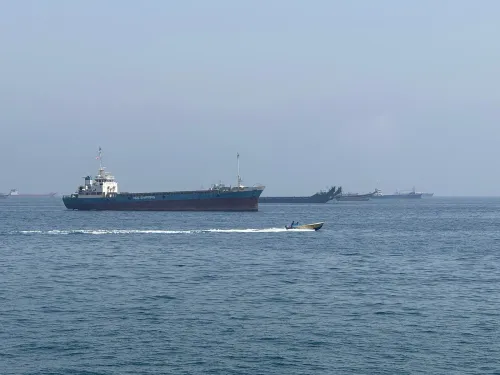
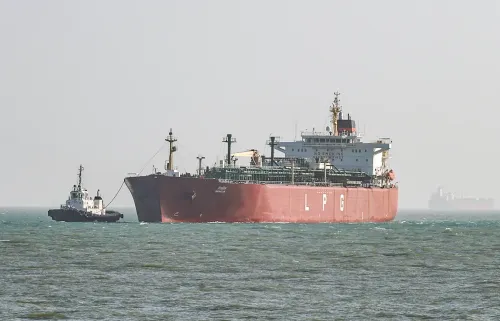
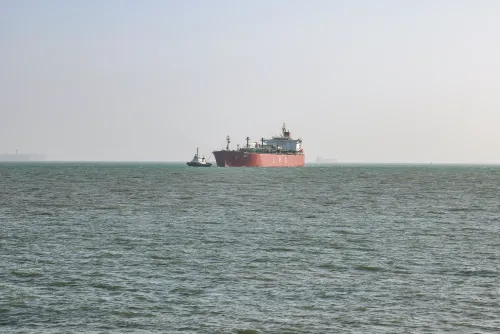
The first incident struck the Liberia-flagged VLCC MT ARZANAH on October 29, with 2 Indian nationals aboard. Less than 24 hours later, on October 30, the Panama-flagged crude oil tanker MT LOUISE 1 — carrying 27 Indian seafarers — was targeted in a separate projectile attack. Both vessels were transiting the Strait of Hormuz, the narrow chokepoint between Iran and Oman through which a significant share of the world's crude oil flows.
Minister Sonowal confirmed in his post that all 29 crew members across both ships are completely safe with no injuries. The ministry is 'continuously monitoring the situations and coordinating with the ship management companies to ensure the ongoing security and wellbeing of our crew,' he stated.
Why the Hormuz corridor keeps India on alert
The Strait of Hormuz is not just a shipping lane — it is a pressure valve for global energy markets, and attacks there detonate consequences far beyond the tankers themselves. India's maritime workforce is one of the largest in the world, with hundreds of thousands of Indian seafarers serving aboard foreign-flagged vessels at any given time. When that corridor turns hostile, the human stakes for India are immediate.
Attacks on commercial tankers in this corridor follow a recurring pattern tied to Middle East geopolitical frictions. A wave of similar incidents in 2019 triggered international maritime security alerts as US-Iran tensions peaked. India's standard protocol in such moments — tracking crew welfare and coordinating with ship owners and flag states — is precisely what Sonowal's statement signals is underway now.
What New Delhi's response signals
An official update of this speed and specificity — naming both vessels, listing exact crew counts, and confirming zero injuries — is a deliberate move by the Ministry of Ports, Shipping and Waterways to reassure Indian families and the maritime industry simultaneously. The ministry's coordination role with ship management companies reflects the layered nature of seafarer protection: Indian crew often serve under foreign flags, placing the primary operational responsibility on ship owners and flag states, while New Delhi acts as a vigilant backstop.
With the Ministry of External Affairs also expected to weigh in, further advisories for Indian nationals in the region remain possible.
Twenty-nine seafarers came home safe from two attacks in two days — but the Hormuz corridor is sending a warning that no one in Delhi's maritime establishment can afford to ignore.
Point of View
Detail-rich public statement reflects a maturing Indian maritime diplomacy that treats seafarer welfare as a sovereign concern rather than a consular afterthought. The back-to-back attacks underscore how Middle East instability now carries direct human costs for India's large global seafarer workforce. The ministry's coordination-first response — working through ship management companies rather than making direct operational claims — is the pragmatic ceiling of what New Delhi can do for crew on foreign-flagged vessels. If incidents multiply, pressure will grow on the MEA and the ministry to develop more proactive crew-evacuation protocols for high-risk corridors.
NationPress
30 Oct 2026
Frequently Asked Questions
Are Indian seafarers on the attacked tankers safe?
Yes. Union Minister Sarbananda Sonowal confirmed on October 30, 2026 that all 29 Indian seafarers across both attacked vessels — MT ARZANAH and MT LOUISE 1 — are completely safe with no injuries.
Which ships were attacked in the Strait of Hormuz?
Two vessels were targeted: the Liberia-flagged VLCC MT ARZANAH on October 29, carrying 2 Indian nationals, and the Panama-flagged crude oil tanker MT LOUISE 1 on October 30, carrying 27 Indian seafarers.
What is the Strait of Hormuz and why does it matter?
The Strait of Hormuz is a narrow waterway between Iran and Oman that serves as the primary chokepoint for crude oil exports from the Persian Gulf, making it one of the most strategically significant shipping lanes in the world.
What is the Indian government doing after the tanker attacks?
The Ministry of Ports, Shipping and Waterways, led by Minister Sonowal, is continuously monitoring the situations and coordinating with ship management companies to ensure the security and wellbeing of the Indian crew.
Have tankers been attacked in the Strait of Hormuz before?
Yes. Attacks on commercial tankers in the Strait of Hormuz have occurred periodically during periods of Middle East geopolitical tension, including a notable wave of incidents in 2019 amid US-Iran friction that prompted international maritime security alerts.