62 India-bound ships transit Hormuz safely; 4,052 seafarers repatriated: Sonowal
Synopsis
India has quietly moved fast on maritime safety: 62 ships cleared the Strait of Hormuz, 4,052 seafarers are back home, and a full ISPS Code mandate is now in force. With advisories spanning Hormuz, the Black Sea, and Bab-el-Mandeb, New Delhi's maritime risk exposure is wider than most headlines suggest.
Key Takeaways
62 India-bound vessels successfully transited the Strait of Hormuz as of 3 August — 23 Indian-flagged and 39 foreign-flagged .
4,052 Indian seafarers have been repatriated from the Gulf region.
The Directorate General of Shipping has mandated full ISPS Code security measures and advised against deploying Indian seafarers on Gulf voyages.
Advisories are also active for the Black Sea and the Bab-el-Mandeb Strait / southern Red Sea.
A 24x7 Control Room and the eNavik Portal are operational for real-time vessel tracking and crisis response.
Families of affected seafarers receive immediate support of ₹10 lakh through the Seafarers Welfare Fund Society in fatality cases.
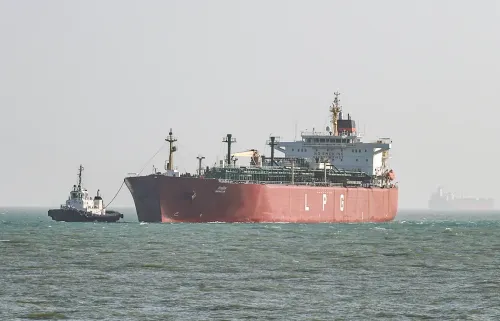
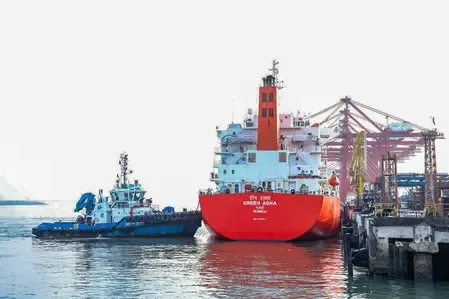
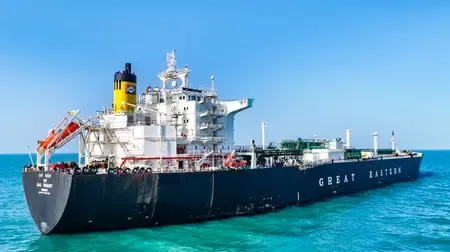
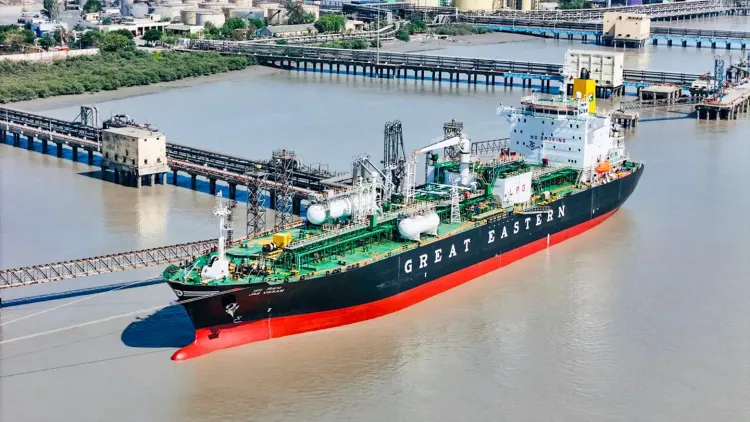
As many as 62 India-bound vessels have successfully transited the Strait of Hormuz amid the ongoing West Asia maritime crisis, Minister of Ports, Shipping and Waterways Sarbananda Sonowal informed Parliament on Friday, 7 August. Of these, 23 were Indian-flagged and 39 sailed under foreign flags, with the data current as of 3 August. In addition, 4,052 Indian seafarers have been repatriated from the Gulf region.
Key Developments in Parliament
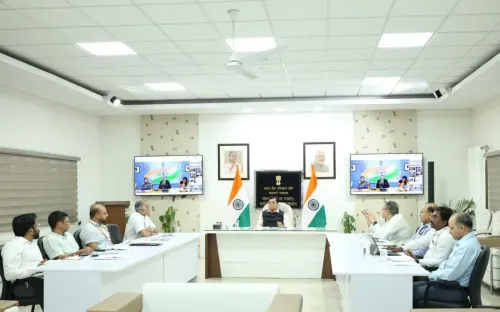
Sonowal disclosed the figures in a written reply to a question in the Lok Sabha, outlining the full scope of India's maritime safety response. The Directorate General of Maritime Administration (DGMA) has been progressively updating its advisories to protect Indian seafarers as the Middle East conflict continues to evolve.
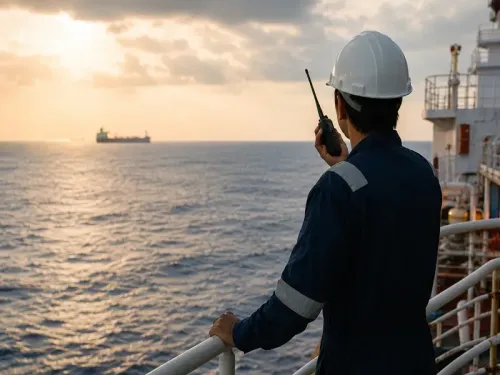
The Directorate General of Shipping has mandated full implementation of International Ship and Port Facility Security (ISPS) Code measures across vessels operating in the region. It has also advised against deploying Indian seafarers on voyages transiting the Gulf region in view of renewed attacks on merchant vessels.
Scope of Maritime Advisories
India's maritime warnings now cover multiple high-risk corridors. A DGMA advisory has been issued for Indian and foreign-flagged vessels carrying Indian seafarers in the Black Sea, requiring enhanced caution, voyage-specific security assessments, strict adherence to security directives, and immediate incident reporting.
A separate advisory covers vessels operating in the Bab-el-Mandeb Strait, the southern Red Sea, and adjoining Yemen waters, directing shipowners and masters to exercise utmost caution, continuously monitor security developments, and implement additional risk-mitigation measures.
Round-the-Clock Monitoring Infrastructure
From the onset of the Hormuz security situation, the government established a dedicated 24x7 Control Room, maintains a live vessel-and-crew database, and issues a Situation Report (SITREP) every 24 hours to track vessel movements, Indian seafarers, incidents, and casualties.
The eNavik Portal has been set up as an integrated digital platform with dedicated modules for marine casualty reporting, crisis management, and seafarer grievance redressal. The system provides digital incident reporting with automated routing to concerned authorities and real-time tracking of response measures.
The DG Communication Centre (DGCOMM / MMDAC) — India's central maritime distress and coordination node — operates 24x7 in coordination with the Indian Navy, flag states, coastal authorities, shipowners, ship managers, and Recruitment and Placement Services Licence (RPSL) agencies.
Inter-Agency and International Coordination
The DGMA and the Ministry of Ports, Shipping and Waterways are maintaining inter-agency coordination with the Ministry of External Affairs, the Indian Navy, and Indian missions abroad. Internationally, evacuation of stranded seafarers is being pursued through a joint mechanism involving the International Maritime Organization (IMO), the United Kingdom Maritime Trade Operations (UKMTO), the MICA Centre, and coastal states.
On welfare, Sonowal stated that families of affected seafarers are being kept in close and continuing contact, and that compensation is provided in fatality cases. Immediate support includes a release of ₹10 lakh through the Seafarers Welfare Fund Society.
What This Means for Indian Shipping
The Strait of Hormuz handles a significant share of global oil and cargo traffic, making safe transit a strategic and economic priority for India. This is the most detailed public accounting the government has offered of its maritime response since hostilities in the region intensified. With advisories now spanning Hormuz, the Black Sea, and Bab-el-Mandeb, India's exposure to global maritime risk corridors is broader than any single conflict zone. The government's next steps — and whether the advisory against deploying seafarers in the Gulf will be extended — will depend on how the security situation evolves in the coming weeks.
Point of View
4,052 seafarers repatriated — signals operational competence, but the advisory against deploying Indian seafarers in the Gulf raises a harder question: how long can India sustain that restriction without disrupting crew supply chains that global shipping depends on? India is one of the world's largest sources of merchant seafarers, and a prolonged Gulf exclusion zone creates economic pressure on a sector that rarely makes front pages until a crisis. The multi-corridor advisory spread — Hormuz, Black Sea, Bab-el-Mandeb simultaneously — also underlines how fragile the current global maritime order is, and how exposed India's trade arteries remain to conflicts it did not start.
NationPress
22 Sept 2026
Frequently Asked Questions
How many India-bound ships have safely crossed the Strait of Hormuz?
As of 3 August, 62 India-bound vessels have successfully transited the Strait of Hormuz — 23 Indian-flagged and 39 under foreign flags. The data was disclosed by Minister Sarbananda Sonowal in Parliament on 7 August.
How many Indian seafarers have been repatriated from the Gulf?
A total of 4,052 Indian seafarers have been repatriated from the Gulf region, according to the minister's statement in the Lok Sabha.
What safety measures has India put in place for seafarers in the region?
The Directorate General of Shipping has mandated full ISPS Code security measures and advised against deploying Indian seafarers on voyages through the Gulf. A 24x7 Control Room, live vessel-and-crew database, daily SITREPs, and the eNavik digital platform are all operational.
Which maritime zones are covered by India's current advisories?
India has active advisories covering the Strait of Hormuz, the Black Sea, the Bab-el-Mandeb Strait, and southern Red Sea and adjoining Yemen waters. Each advisory mandates enhanced caution, security assessments, and immediate incident reporting.
What compensation is available to families of seafarers affected by the crisis?
In fatality cases, immediate support of ₹10 lakh is released through the Seafarers Welfare Fund Society. The government is also maintaining close contact with families of all affected seafarers.