ONDC DigiDukaan connects 21,000 kirana retailers across 3 cities, Goyal backs FMCG push

Synopsis
ONDC's DigiDukaan has nearly doubled its kirana footprint in a single quarter — from 12,000 to 21,000 retailers — as Commerce Minister Piyush Goyal convened India's biggest FMCG names to scale the platform nationally. The bet: open digital infrastructure can fix the opaque, capital-intensive supply chain that has long held neighbourhood retail back.
Key Takeaways
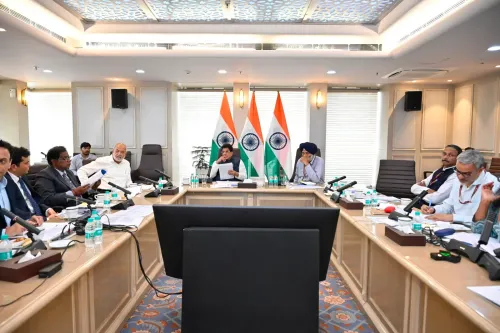
Commerce Minister Piyush Goyal chaired a CEO roundtable on 30 October 2026 in New Delhi , convened by DPIIT and ONDC , to scale the DigiDukaan initiative.
DigiDukaan has connected over 21,000 retailers with more than 450 brands across Hyderabad , Jaipur , and Mumbai as of September 2026 , up from over 12,000 the previous quarter.
The platform digitises kiranas as buyers , offering a single interface for multi-brand procurement with pricing and trade-scheme visibility.
ONDC MD & CEO Vibhor Jain stressed the platform strengthens existing distributors rather than replacing them.
Over 40 FMCG leaders — including representatives from HUL , Coca-Cola India , ITC , P&G , and Britannia — participated in the Bharat Commerce Chintan Shivir .
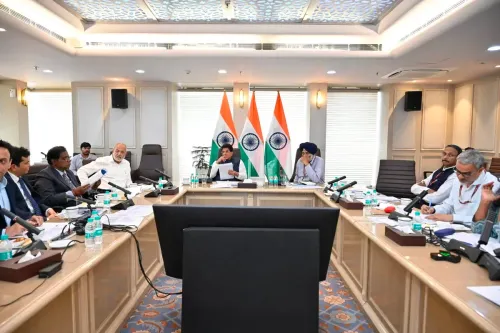
Commerce and Industry Minister Piyush Goyal on Friday, 30 October 2026, chaired a high-level CEO roundtable in New Delhi bringing together over 40 leaders from major FMCG companies to chart a shared roadmap for digitising India's General Trade ecosystem through ONDC's DigiDukaan initiative. The meeting, convened by the Department for Promotion of Industry and Internal Trade (DPIIT) and the Open Network for Digital Commerce (ONDC), underscored the Centre's push to embed neighbourhood kirana stores into a modern, digital supply chain.
Where DigiDukaan Stands Today
DigiDukaan has onboarded over 21,000 retailers connected to more than 450 brands across Hyderabad, Jaipur, and Mumbai as of September 2026 — up from over 12,000 retailers in the previous quarter. That near-doubling in active retailers within a single quarter signals accelerating adoption, though scaling beyond pilot cities will be the more demanding test.
What Goyal and DPIIT Said
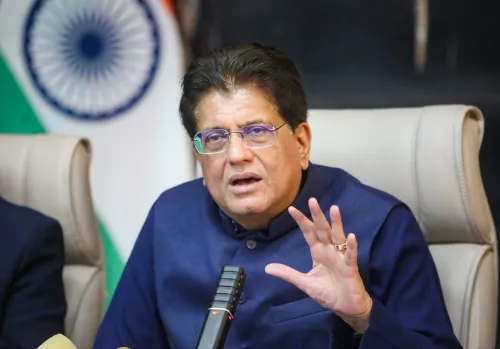
'ONDC's DigiDukaan shows that when open digital infrastructure is built around the needs of the small retailer, adoption follows. Let this become another case study where the world can learn from India,' Goyal said at the roundtable. He added: 'By making procurement simpler and more transparent while strengthening our distributors, we can help kiranas free up working capital and grow. I invite the FMCG industry to work together and take this to every corner of Bharat.'
Amardeep Singh Bhatia, Secretary, DPIIT, described open digital infrastructure as central to accelerating retail digitalisation at scale. 'ONDC's DigiDukaan is an important step in this direction, demonstrating how an open, interoperable network can enable neighbourhood retailers to access digital procurement opportunities and participate more effectively in the evolving digital economy,' Bhatia said.
How the Platform Works
DigiDukaan digitises kirana stores as buyers rather than sellers. Through a single digital interface, retailers can discover and order products across multiple brands, distributors, and wholesalers, with greater visibility into pricing, trade schemes, and product availability. Crucially, the platform is designed to work alongside — not replace — existing distributor networks, addressing a longstanding concern in the trade that digital intermediaries disrupt rather than augment ground-level commerce.
Vibhor Jain, Managing Director and Chief Executive Officer of ONDC, stated: 'We are digitising kiranas as buyers, while strengthening the existing distributor network rather than replacing it.'
Industry Representation at the Roundtable
Senior representatives from Hindustan Unilever (HUL), Coca-Cola India, ITC, P&G, Marico, CavinKare, Pidilite, Britannia, Adani Wilmar, LT Foods, Anmol Industries, Haldiram's, Emami, Veeba, and Nilon's participated. Logistics providers, technology partners, and ONDC network participants also attended the Bharat Commerce Chintan Shivir.
Why This Matters for India's Retail Economy
India's General Trade channel — the sprawling network of neighbourhood kirana stores — supports the livelihoods of millions of small retailers and remains the dominant route to market for FMCG companies in semi-urban and rural India. Digitising procurement addresses a persistent friction: kiranas have historically operated on opaque pricing, delayed credit settlements, and limited visibility into distributor trade schemes. This is the kind of structural inefficiency that erodes working capital for small businesses over time. Notably, DigiDukaan's approach of building on ONDC's open, interoperable network rather than a closed proprietary platform distinguishes it from earlier e-B2B attempts that struggled with exclusivity and margin conflicts.
With the pilot now covering three cities and the government signalling a national rollout, the initiative's ability to replicate results in Tier-2 and Tier-3 markets — where digital literacy and last-mile logistics are more constrained — will determine its real scale and impact.
Point of View
000 to 21,000 retailers looks impressive in isolation, but India has an estimated 12–13 million kirana stores — meaning the platform has reached well under 1% of its addressable market. The real structural challenge is not pilot cities like Hyderabad or Mumbai, where digital infrastructure is relatively mature, but the Tier-2 and Tier-3 towns where General Trade is most entrenched and distributor resistance to disintermediation is strongest. The government's explicit assurance that DigiDukaan will 'strengthen distributors, not replace them' is politically smart but will need careful design to avoid the platform becoming a tool for large FMCG players to squeeze distributor margins under the cover of 'transparency'. The participation of 15 major FMCG companies signals commercial appetite — but alignment of incentives between brands, distributors, and kirana owners will be the harder governance problem to solve at national scale.
NationPress
30 Oct 2026
Frequently Asked Questions
What is ONDC DigiDukaan?
ONDC DigiDukaan is a digital procurement platform built on the Open Network for Digital Commerce (ONDC) that allows kirana (neighbourhood retail) stores to discover and order products from multiple brands, distributors, and wholesalers through a single interface. As of September 2026, it has connected over 21,000 retailers with more than 450 brands across Hyderabad, Jaipur, and Mumbai.
How fast is DigiDukaan growing?
DigiDukaan nearly doubled its retailer base in a single quarter, rising from over 12,000 retailers to over 21,000 as of September 2026. The platform also expanded its brand partnerships to more than 450 across the three pilot cities.
Why does the government want to digitise kirana stores?
India's General Trade ecosystem — built on millions of neighbourhood kirana stores — has historically operated with opaque pricing, limited access to trade schemes, and constrained working capital. Digitising procurement through an open, interoperable platform is intended to improve pricing transparency, reduce working capital cycles, and give small retailers better access to the digital economy.
Will DigiDukaan replace existing distributors?
According to ONDC MD & CEO Vibhor Jain, the platform is explicitly designed to strengthen the existing distributor network rather than replace it. The government has positioned DigiDukaan as a layer that adds digital visibility on top of the current supply chain rather than bypassing it.
Which FMCG companies participated in the Bharat Commerce Chintan Shivir?
Senior representatives from Hindustan Unilever (HUL), Coca-Cola India, ITC, P&G, Marico, CavinKare, Pidilite, Britannia, Adani Wilmar, LT Foods, Anmol Industries, Haldiram's, Emami, Veeba, and Nilon's attended the roundtable, along with logistics providers and technology partners.