166 Indian seafarers near Strait of Hormuz: MEA confirms ships, crew details
Synopsis
With 166 Indian nationals aboard vessels near the Strait of Hormuz — including 28 on an LPG tanker that was attacked in Iranian waters on 24 July — the MEA and Ministry of Shipping are in active monitoring mode. India's status as the world's second-largest seafaring nation makes this a live diplomatic and humanitarian pressure point, not just a maritime advisory.
Key Takeaways
The MEA confirmed 166 Indian seafarers are near the Strait of Hormuz as of 28 July .
125 seafarers are aboard six Indian-flagged ships in the Persian Gulf ; 41 are on foreign vessels in the same area.
The Mozambique-flagged LPG tanker DISHA with 28 Indian crew was attacked in Iranian territorial waters on 24 July ; all crew confirmed safe.
The DGMA has directed ship owners and placement companies to stop deploying Indian seafarers on Hormuz-route vessels until further notice.
The Ministry of Shipping and Indian missions in the region are actively monitoring the situation and are on standby to provide assistance.
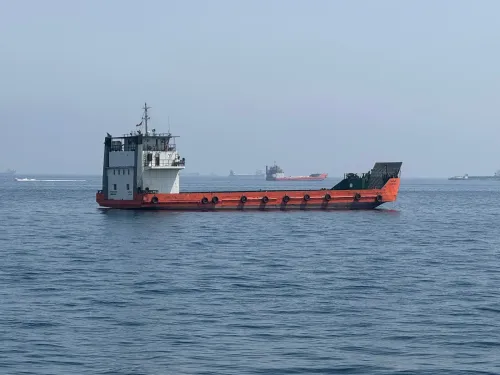
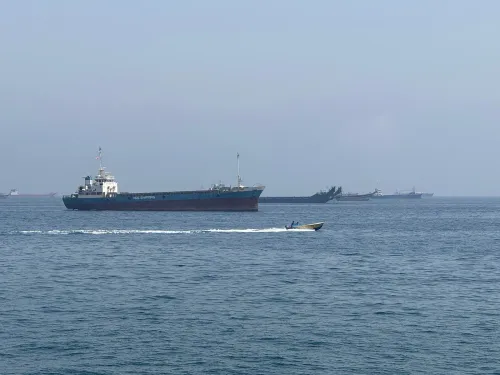
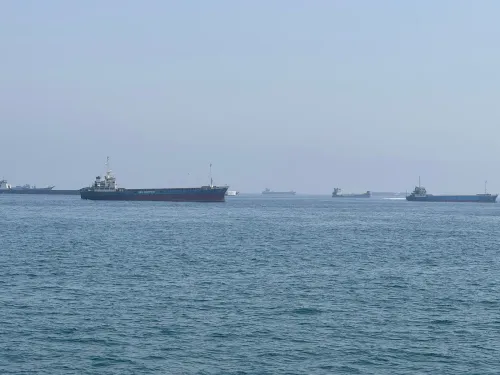
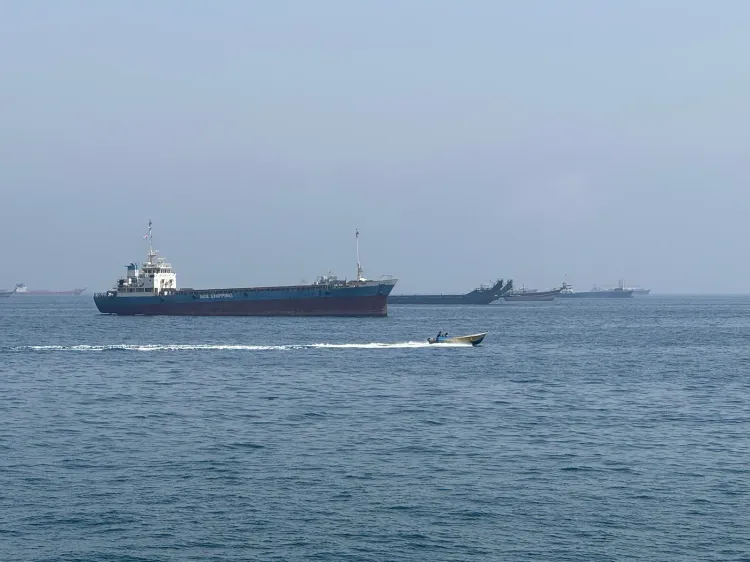
The Ministry of External Affairs (MEA) on Tuesday, 28 July confirmed that 166 Indian seafarers are currently present in and around the Strait of Hormuz — one of the world's most critical maritime chokepoints — amid a sharp escalation in attacks on merchant vessels in the region. Of these, 125 are aboard six Indian-flagged ships in the Persian Gulf, while an additional 41 are serving on foreign vessels operating in the same waters.
What the MEA Said
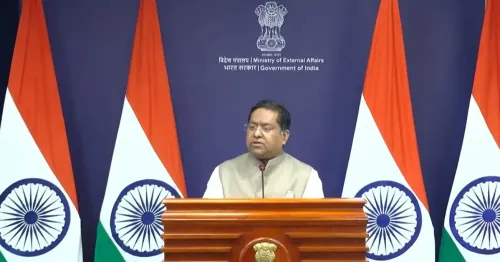
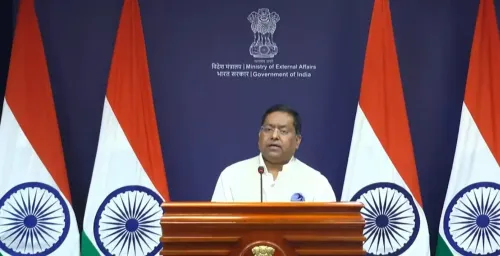
MEA spokesperson Randhir Jaiswal, speaking at a bi-weekly media briefing in New Delhi, provided a precise breakdown of the Indian seafaring presence in the area. 'We have six Indian vessels which are west of the Strait of Hormuz, so in the Persian Gulf, there are 125 seafarers who are onboard these Indian ships. In addition, there are 41 Indian seafarers who are onboard foreign ships which are there in that area,' Jaiswal said.
He added that the Ministry of Shipping is closely monitoring the situation. 'Our missions in the region are in touch with the Ministry of Shipping to see if there is any requirement to support them and to offer any assistance that might be required,' he stated.
LPG Tanker Attack on 24 July
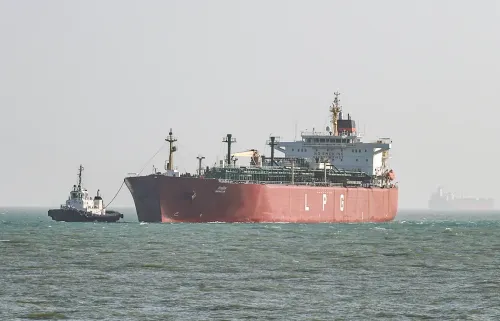
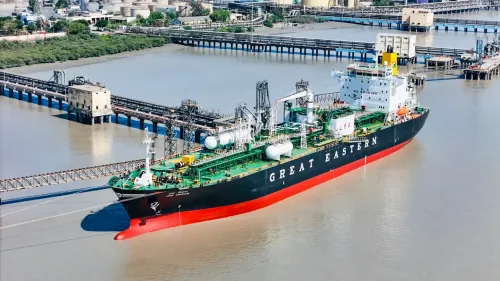
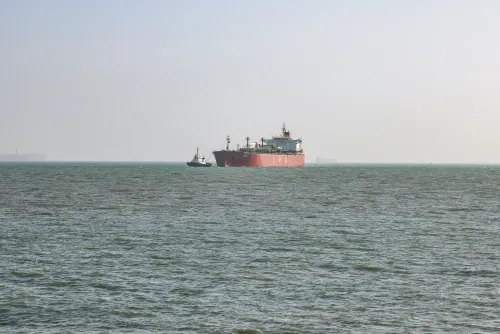
The disclosures come days after a Mozambique-flagged LPG tanker, DISHA (IMO No. 8818219), came under attack in Iranian territorial waters on 24 July. The vessel had 28 Indian crew members on board at the time of the incident.
The Embassy of India in Tehran confirmed the attack in a statement, noting that it had been in close contact with relevant authorities. 'The Embassy has confirmed that all Indian crew members are safe,' the statement read. The Indian mission said it continues to monitor the situation and remains in contact with concerned authorities.
DGMA Issues Advisory to Avoid Hormuz Routes
Prior to the MEA briefing, the Directorate General of Maritime Administration (DGMA) had directed ship owners, ship managers, and Recruitment and Placement Service Licence (RPSL) companies to halt the deployment of Indian seafarers on vessels transiting through the Strait of Hormuz until further orders. The directive cited the heightened security environment in the Gulf region.
The maritime regulator also posted on social media platform X, stating the advisory was aimed at safeguarding the safety, security, and welfare of Indian seafarers amid continuing attacks on merchant shipping in the conflict-affected zone.
Why This Matters
India is the second-largest seafaring community in the world, making the security of its nationals aboard vessels in conflict-prone waters a matter of significant national concern. The Strait of Hormuz is the single most important maritime corridor for global oil shipments, with roughly 20% of the world's crude oil passing through it. Any sustained disruption carries implications not just for crew safety, but for India's energy supply chain and freight costs.
This is not the first time Indian seafarers have been caught in regional tensions — the Gulf has seen periodic escalations involving merchant vessels over the past several years. The DGMA's advisory marks a formal, precautionary institutional response, signalling that authorities are treating the current threat environment with heightened seriousness. How the situation evolves in the coming days will determine whether further evacuation or diplomatic steps become necessary.
Point of View
Not an evacuation plan, and the gap between the two matters. India's diplomatic bandwidth in Tehran will be tested if the security situation deteriorates further. The DISHA attack is a reminder that 'all crew safe' is a relief, not a resolution — the structural vulnerability of Indian seafarers in conflict-adjacent waters has not been addressed.
NationPress
27 Oct 2026
Frequently Asked Questions
How many Indian seafarers are near the Strait of Hormuz?
As of 28 July, the MEA confirmed a total of 166 Indian seafarers are in the area — 125 aboard six Indian-flagged vessels in the Persian Gulf and 41 on foreign ships operating in the same region.
What happened to the LPG tanker DISHA?
The Mozambique-flagged LPG tanker DISHA (IMO No. 8818219), carrying 28 Indian crew members, came under attack in Iranian territorial waters on 24 July. The Embassy of India in Tehran confirmed that all 28 Indian crew members are safe.
What action has India taken to protect its seafarers?
The Directorate General of Maritime Administration (DGMA) has directed ship owners, ship managers, and RPSL companies to stop deploying Indian seafarers on vessels transiting through the Strait of Hormuz until further orders. The Ministry of Shipping is also closely monitoring all Indian ships and crew in the region.
Why is the Strait of Hormuz significant?
The Strait of Hormuz is one of the world's most critical maritime chokepoints, through which approximately 20% of global crude oil shipments pass. Disruptions there have direct implications for global energy supply and freight costs, making crew safety in the area a matter of both humanitarian and strategic concern for India.
Is India's seafaring community particularly affected by Gulf tensions?
Yes. India is the second-largest seafaring nation in the world, meaning a significant share of the global merchant fleet's crew is Indian. This makes escalations in Gulf shipping lanes — such as the current wave of attacks on merchant vessels — a recurring consular and diplomatic challenge for the Indian government.