Sonowal: Cabinet Approves NBS Rates for Rabi 2026-27 Fertilisers
Synopsis
The Union Cabinet chaired by PM Narendra Modi has approved Nutrient Based Subsidy rates for phosphatic and potassic fertilisers — including DAP and NPKS grades — for the Rabi 2026-27 season, running from 1 October 2026 to 31 March 2027, to ensure affordable availability for Indian farmers.
Key Takeaways
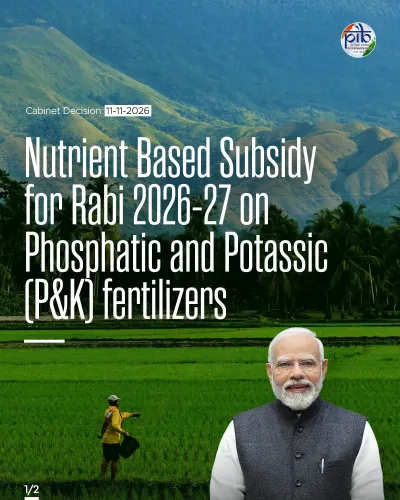
The Union Cabinet, chaired by PM Narendra Modi , approved Nutrient Based Subsidy (NBS) rates for phosphatic and potassic fertilisers for Rabi 2026–27 .
The subsidy window runs from 1 October 2026 to 31 March 2027 , aligned with India's Rabi sowing season.
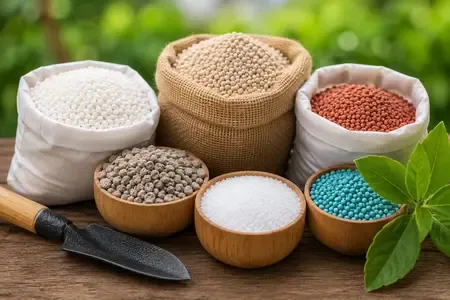
Fertiliser grades covered include DAP (Di-ammonium Phosphate) and NPKS grades — key inputs for winter crops like wheat, mustard and chickpea.
The NBS scheme , introduced in 2010 , provides nutrient-linked support for P&K fertilisers, which unlike urea are not under statutory price control.
India is significantly import-dependent for DAP and potash, making the government subsidy a critical buffer against global price volatility.
The pre-season Cabinet approval gives supply chains the pricing clarity needed to stock and distribute fertilisers before sowing begins.
India's farming calendar just got a critical government commitment. The Union Cabinet, chaired by Prime Minister Narendra Modi, has approved Nutrient Based Subsidy (NBS) rates for phosphatic and potassic fertilisers for the Rabi season 2026–27 — covering the period from 1 October 2026 to 31 March 2027. Union Ports, Shipping and Waterways Minister Sarbananda Sonowal announced the Cabinet decision on Wednesday, 11 November 2026, confirming that the subsidy will cover DAP (Di-ammonium Phosphate) and NPKS grades to keep these essential inputs accessible to farmers at affordable prices.
What the NBS Scheme Does — and Why It Matters Every Season
The Nutrient Based Subsidy scheme, introduced in 2010, replaced an older product-level concession framework with a more flexible, nutrient-content-linked mechanism. Rather than fixing subsidies on specific branded products, the government sets support rates per kilogram of key nutrients — nitrogen, phosphorus, potassium and sulphur — allowing manufacturers to price competitively while farmers benefit from cost relief at the retail end.
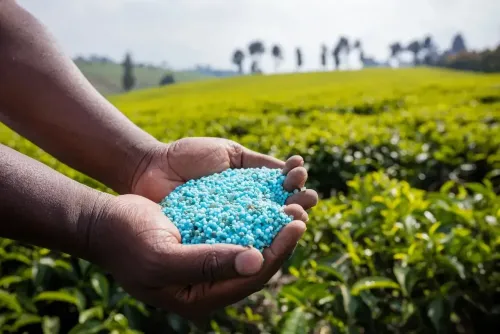
Phosphatic and potassic fertilisers, unlike urea, are not under statutory price control. That makes the NBS the government's primary lever to prevent these inputs — critical for healthy root development, crop yield and soil balance — from becoming unaffordable, particularly when global commodity markets turn volatile. DAP, the most widely used P&K fertiliser in India, is especially price-sensitive: a sharp rise in import costs can quickly translate to field-level stress for small and marginal farmers who cannot absorb input shocks.
Rabi Season Timing and What Farmers Can Expect
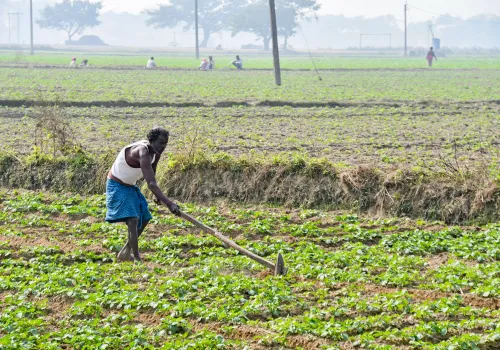
The Rabi cropping window opens in October across much of India, when sowing of wheat, mustard, chickpea and other winter crops begins. Locking in subsidy rates ahead of the sowing push ensures that fertiliser supply chains — manufacturers, importers, state-level distributors — have the pricing clarity they need to stock up and move product to mandis and cooperatives on time.
The government periodically revises NBS rates each season, calibrating them against global fertiliser prices and the fiscal cost of support. With international phosphate and potash markets remaining sensitive to geopolitical supply disruptions, the Cabinet's pre-season approval signals that food security and farmer affordability remain non-negotiable priorities in the government's agricultural calculus. Once the subsidised window opens, fertiliser availability, retail price trends and offtake data will be the key indicators to watch.
A Long-Running Policy Spine Beneath a Routine Announcement
What looks like a routine pre-season administrative decision sits on a significant policy spine. India is heavily import-dependent for both DAP and muriate of potash — two of the most critical P&K inputs. Any gap between global prices and what Indian farmers can afford must be bridged by the Centre's subsidy outlay. The NBS framework allows that bridge to flex with market realities season by season, rather than locking the government into fixed open-ended commitments. This Rabi approval continues that design.
For the farmers who will begin sowing from October, the message is straightforward: subsidised fertilisers will be available. That assurance, delivered through a Cabinet decision before the season starts, is itself a form of agricultural policy at work.
Point of View
The P&K fertiliser supply chain lacks the price signals it needs to move product efficiently before sowing begins. The NBS framework, now over fifteen years old, represents the government's considered answer to a stubborn dilemma: India cannot afford open-ended price controls on all fertilisers, yet it cannot let global commodity volatility price small farmers out of essential inputs. By recalibrating subsidy rates each season, the Centre retains fiscal flexibility while maintaining the political and food-security commitment to affordable farm inputs. With India's import dependence on DAP and potash showing no structural change, this seasonally renewed commitment is likely to remain central to agricultural policy for the foreseeable future.
NationPress
11 Nov 2026
Frequently Asked Questions
What is the Nutrient Based Subsidy (NBS) scheme for fertilisers in India?
The Nutrient Based Subsidy scheme, introduced in 2010, provides government support for phosphatic and potassic fertilisers based on their nutrient content — nitrogen, phosphorus, potassium and sulphur — rather than on specific product types. This allows manufacturers pricing flexibility while keeping retail costs affordable for farmers.
Which fertilisers are covered under the Rabi 2026-27 NBS approval?
The Cabinet approval covers DAP (Di-ammonium Phosphate) and NPKS grades of phosphatic and potassic fertilisers for the period from 1 October 2026 to 31 March 2027.
Why does the government approve NBS rates before each cropping season?
Pre-season approval gives fertiliser manufacturers, importers and distributors the pricing clarity they need to stock and supply inputs on time. It also shields farmers from sharp price increases caused by global commodity market volatility, since India imports a significant share of its DAP and potash requirements.
What is DAP and why is it important for Indian farmers?
DAP, or Di-ammonium Phosphate, is the most widely used phosphatic fertiliser in India. It is critical for root development and crop yield, and is used extensively in Rabi crops such as wheat and mustard. Because India relies heavily on imports for DAP, the NBS subsidy helps keep its retail price stable.
How is the NBS different from the urea subsidy?
Unlike urea, whose retail price is fixed by statute, phosphatic and potassic fertilisers such as DAP are not under statutory price control. The NBS scheme is therefore the primary government mechanism to make these inputs affordable, working through a per-nutrient subsidy paid to manufacturers and importers rather than a fixed maximum retail price.