Giriraj Singh hails Chhattisgarh tribal women's soft-toy training
Synopsis
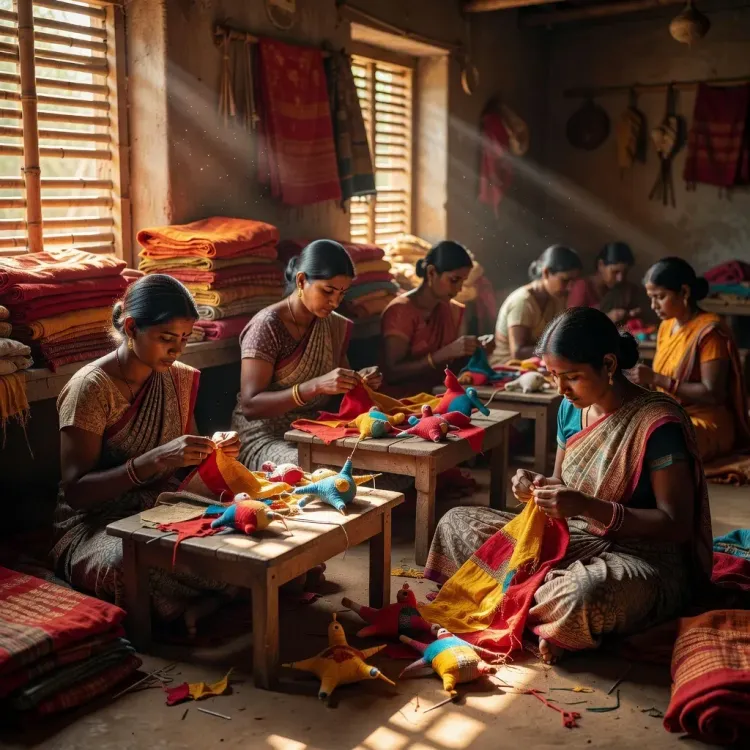
Union Textiles Minister Giriraj Singh on November 11 praised a Chhattisgarh initiative training tribal women to craft soft toys from handloom fabric scraps, calling it a model for self-reliance, local skill recognition, and women's economic empowerment.
Key Takeaways
Union Textiles Minister Giriraj Singh praised a Chhattisgarh programme on November 11, 2026 that trains tribal women to make soft toys from leftover handloom fabric.
The initiative repurposes handloom offcuts — zero additional raw-material cost — into market-ready products, embodying a practical upcycling model.
Chhattisgarh has an established tribal weaving tradition, making the skill transition lower-barrier and more likely to result in sustained livelihoods.
The programme aligns with the National Handloom Development Programme and the Skill India Mission (launched 2015 ), both of which emphasise craft diversification in tribal regions.
Similar upcycling and craft-training models have been promoted across other tribal-heavy states under the broader Atmanirbhar Bharat framework.
Market linkages, quality standards, and sustained central funding remain the critical variables for the programme to deliver lasting income gains.
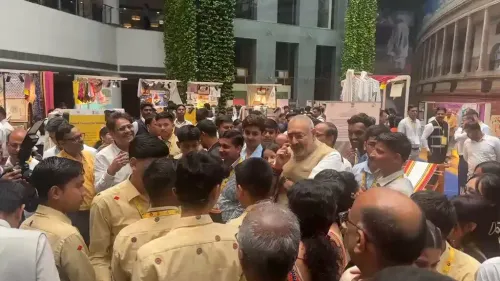
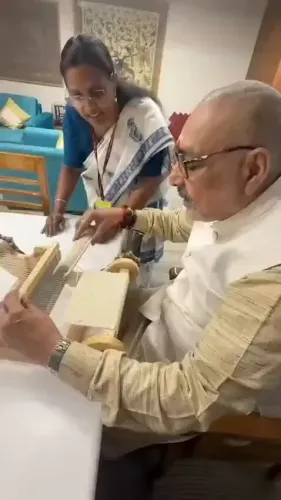
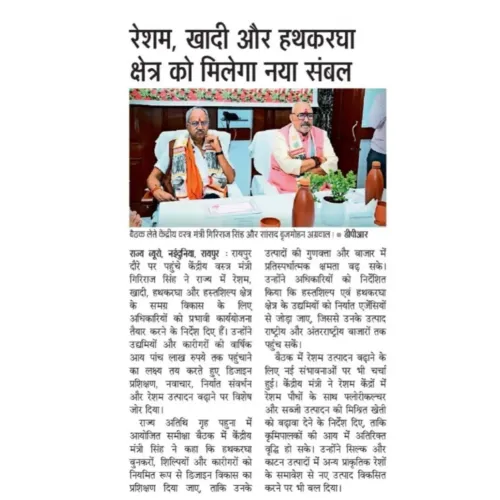
Scraps of handloom fabric, tribal skill, and a government push for self-reliance — a training programme in Chhattisgarh is turning textile offcuts into soft toys and livelihoods for women from scheduled tribe communities. Union Textiles Minister Giriraj Singh praised the initiative on Wednesday, November 11, 2026, calling it a 'commendable effort' to link women's creativity with new means of income.
Posting in Hindi on X, the Minister wrote: 'जनजातीय महिलाओं के कौशल को नई पहचान, स्थानीय संसाधनों का बेहतर उपयोग और आत्मनिर्भरता को नई दिशा!' — 'New recognition for tribal women's skills, better use of local resources, and a new direction for self-reliance!' He described the Chhattisgarh programme as proof that local talent, when channelled purposefully, strengthens women's economic independence.
Handloom offcuts turned into income, not waste
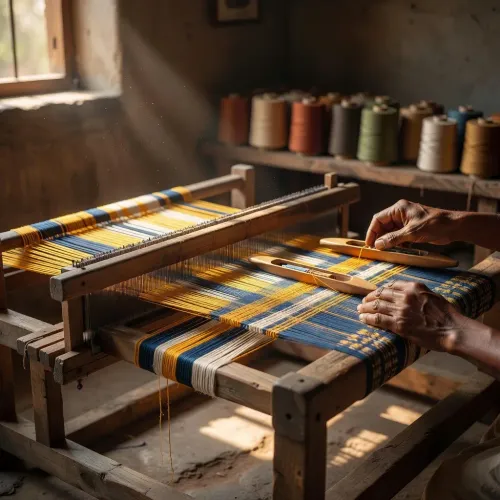
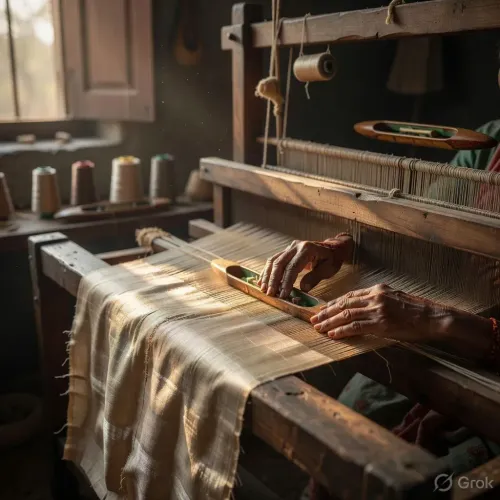
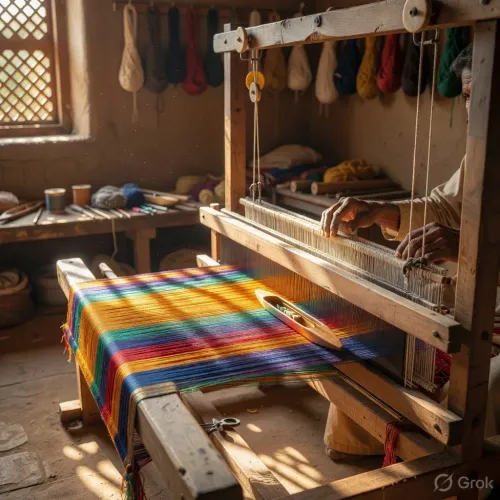
The core of the programme is elegantly practical: leftover fabric — the kind that typically piles up and goes to waste on a weaver's floor — is being repurposed to make soft toys. For tribal women artisans in Chhattisgarh, one of India's most handloom-rich states, this means zero additional raw-material cost and a product with ready consumer appeal. It is upcycling before the word became fashionable.
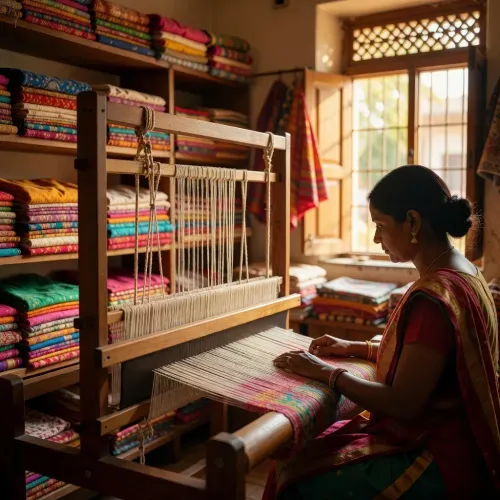
The state has a long tradition of tribal weaving, and the initiative builds directly on that existing skill base rather than importing an alien craft. That alignment matters — it lowers the learning curve, respects community knowledge, and raises the chance that training translates into sustained income rather than a one-time workshop certificate.
Where this fits in the Atmanirbhar textiles push
The programme sits within a broader central government pattern of converting traditional crafts and production waste into value-added goods for rural livelihoods. The National Handloom Development Programme and the Skill India Mission — launched in 2015 — have both emphasised exactly this model: identify local skill, reduce wastage, create a marketable product, and reduce distress migration from tribal regions.
For the Ministry of Textiles under Giriraj Singh, the soft-toy initiative is a live demonstration of Atmanirbhar Bharat at the village level — not an abstraction but a woman in Chhattisgarh finishing a toy with cloth she already knew how to handle. Similar upcycling and craft-diversification programmes have been promoted in other tribal-heavy states, with policymakers watching whether they can durably raise household incomes and reduce dependence on seasonal agriculture.
What scales these efforts from goodwill to genuine economic change is consistent follow-through: market linkages, quality standards, and central funding that outlasts a single training cycle. Those are the variables to watch as this programme moves beyond its current phase.
Point of View
The gap between ministerial praise and scalable income impact has historically been wide in craft-training schemes; the credibility test will come when market linkages and repeat orders materialise, not at the training stage. Analysts watching the textiles sector will treat this as an intent marker worth revisiting when funding allocations for tribal artisan programmes are announced in the next Union Budget.
NationPress
11 Nov 2026
Frequently Asked Questions
What is the Chhattisgarh tribal women soft toy training programme?
It is an initiative in Chhattisgarh that trains women from tribal communities to make soft toys using leftover handloom fabric, turning textile waste into a marketable product and a new source of income.
Why did Giriraj Singh praise the Chhattisgarh programme?
Union Textiles Minister Giriraj Singh called it a commendable effort to connect tribal women's existing craft skills and local resources to economic self-reliance, in line with the broader Atmanirbhar Bharat vision.
How does this programme relate to the Skill India Mission?
The Skill India Mission, launched in 2015, promotes vocational training and self-employment in rural and tribal areas. The soft-toy training programme fits squarely within that framework by converting a traditional weaving skill into a diversified, market-oriented livelihood.
Which government scheme supports handloom artisans in India?
The National Handloom Development Programme is the primary central scheme supporting handloom weavers and artisans, promoting sustainable use of handloom resources and weaver welfare across India.
What makes Chhattisgarh suitable for a handloom upcycling programme?
Chhattisgarh has a large tribal population with deep-rooted weaving traditions, which means women already possess foundational textile skills. Using local fabric offcuts eliminates raw-material costs and builds on existing knowledge, making the programme more viable and sustainable.