Karnataka files SLP in Supreme Court over 56% reservation verdict
Synopsis
Karnataka has taken its fight for 56% reservation to the Supreme Court after the High Court struck the policy down for breaching the 50% ceiling. Deputy CM Parameshwara is pointing to Tamil Nadu's 69% reservation — shielded by the Ninth Schedule — to argue Karnataka deserves the same constitutional protection. The legal and political battle is now set for the apex court.
Key Takeaways
Karnataka government filed an SLP in the Supreme Court on 11 November 2026 challenging the High Court verdict striking down its 56% reservation policy.
The High Court held that reservation cannot exceed the 50 per cent ceiling; the State has now escalated to the apex court.
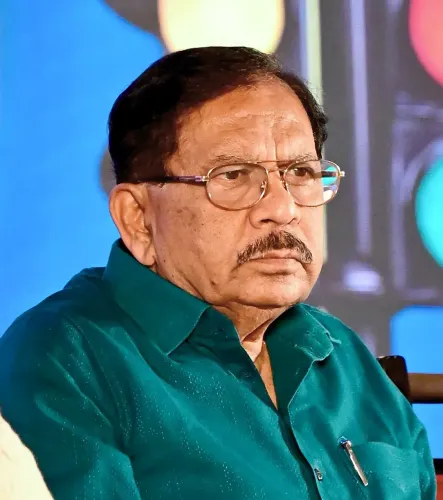
Deputy Chief Minister G.
Parameshwara cited Tamil Nadu's 69% reservation — protected under the Ninth Schedule — as justification for Karnataka's demand.
Parameshwara blamed the previous BJP government under Basavaraj Bommai for failing to simultaneously seek Ninth Schedule inclusion for the policy.
Recruitment processes in Karnataka are facing considerable uncertainty due to the unresolved reservation dispute.
Karnataka is also awaiting a Union Government appointment for NDRF drought relief after writing to the Centre more than two weeks ago without a response.
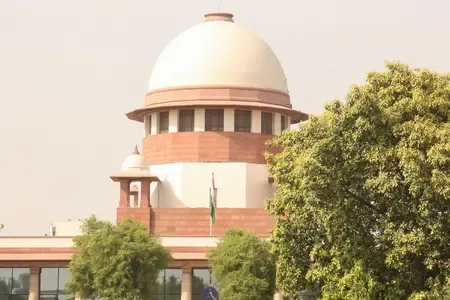
The Karnataka government has filed a Special Leave Petition (SLP) in the Supreme Court challenging a High Court verdict that struck down the State's decision to implement 56 per cent reservation, Deputy Chief Minister and Revenue Minister G. Parameshwara confirmed on Wednesday, 11 November 2026. The High Court had ruled that reservation cannot exceed the 50 per cent ceiling set by the apex court, prompting the State to escalate the matter to the highest judicial forum.
The Legal Battle
Parameshwara told reporters in Bengaluru that the government had already directed the filing of an appeal against the High Court order, and that the State would now await the Supreme Court's decision. He also said the matter would be brought to the attention of the Union Government. The SLP marks a significant escalation in Karnataka's fight to preserve its expanded reservation framework, which had been a flagship policy commitment.
The Tamil Nadu Precedent
Parameshwara invoked the example of Tamil Nadu, which maintains 69 per cent reservation — well above the Supreme Court's general 50 per cent ceiling — by virtue of its inclusion in the Ninth Schedule of the Constitution, which shields laws from judicial review. 'When a neighbouring State has 69 per cent reservation, there is a legitimate question as to why Karnataka should not be given similar protection,' he said. He argued that the previous Bharatiya Janata Party (BJP) government under Basavaraj Bommai should have simultaneously pushed the Union Government to place Karnataka's increased reservation in the Ninth Schedule. 'Had that been done, the present difficulties might not have arisen,' he added, assigning a share of the blame for the current legal impasse to his predecessors.
Impact on Recruitment and State Finances
Parameshwara noted that government recruitment processes were already facing considerable uncertainty, and that the unresolved reservation dispute had compounded the situation further. On a separate front, he said Karnataka had written to the Union Government seeking an appointment for drought relief from the National Disaster Response Fund (NDRF) more than two weeks ago but had not received a response. He indicated the government would not seek a meeting with the Prime Minister during his scheduled Mysuru visit, as the PM's agenda would already be fixed, and would instead pursue a dedicated appointment. 'Once we are given an appointment, a decision will be taken on taking an all-party delegation to Delhi,' he said.
Farmer Distress, Milk Prices and Rising Costs
Addressing concerns over farmer suicides amid ongoing drought conditions, Parameshwara said the number of reported cases this year was lower compared to previous years, including last year, noting that hundreds and thousands of cases had been reported four or five years ago. The government has enacted legislation to regulate microfinance institutions and announced a decision to defer loan repayments by up to six months to shield farmers from harassment. He expressed concern, however, over unregulated private hand loans, which lack formal documentation and fall outside government oversight. On rising prices of essential commodities including milk and curd, he said the State had not received its legitimate share of grants from the Centre, adding that greater central financial assistance would reduce the need for price revisions. He acknowledged that the recent milk price increase had placed an additional burden on urban consumers. He also flagged that curd attracts five per cent GST, calling for tax-related issues to be addressed. Milk production in Karnataka has reportedly declined this year, he said, explaining the rationale behind the latest price revision.
What Happens Next
The Supreme Court's response to Karnataka's SLP will be closely watched, as it could set a precedent for other states seeking to push reservation beyond the 50 per cent judicial ceiling. The State's parallel push to have its policy included in the Ninth Schedule — mirroring the Tamil Nadu model — is likely to become a central demand when the government eventually secures a meeting with the Union Government. With recruitment processes in limbo and financial tensions with the Centre mounting, the resolution of the reservation question carries consequences well beyond the courtroom.
Point of View
Given the BJP-led Centre's complicated relationship with Congress-ruled Karnataka. The Deputy CM's pointed criticism of the Bommai government for not pursuing Ninth Schedule protection earlier is politically convenient but also accurate: the procedural gap left the policy legally exposed. What this case ultimately tests is whether India's reservation architecture can accommodate diverging state-level social compositions without a constitutional amendment — a question the Supreme Court may be reluctant to resolve through a single SLP. The recruitment uncertainty in the interim is a direct, concrete cost being borne by thousands of job applicants whose futures are hostage to this protracted legal battle.
NationPress
11 Nov 2026
Frequently Asked Questions
Why has Karnataka filed an SLP in the Supreme Court over reservation?
Karnataka filed the SLP to challenge a High Court verdict that struck down the State's decision to provide 56% reservation, ruling it violated the Supreme Court's 50% ceiling. The government argues its policy is constitutionally valid and deserves protection similar to Tamil Nadu's 69% quota, which is shielded under the Ninth Schedule.
What is the Ninth Schedule, and why is Karnataka invoking it?
The Ninth Schedule of the Constitution protects listed laws from judicial scrutiny on the grounds of fundamental rights violations. Tamil Nadu's 69% reservation was placed in the Ninth Schedule, exempting it from the Supreme Court's 50% ceiling. Karnataka is arguing it deserves the same constitutional protection for its 56% reservation policy.
What did the High Court rule on Karnataka's 56% reservation?
The High Court struck down Karnataka's decision to provide 56% reservation, holding that reservation cannot legally exceed the 50% ceiling established by the Supreme Court. The State government has now challenged this verdict through an SLP in the Supreme Court.
How has the reservation dispute affected government recruitment in Karnataka?
According to Deputy CM Parameshwara, government recruitment processes in Karnataka are already facing considerable uncertainty, and the unresolved reservation legal battle has further complicated the situation, leaving many candidates in limbo.
What is Karnataka's other major grievance with the Centre right now?
Karnataka is also seeking drought relief from the National Disaster Response Fund (NDRF) but has not received an appointment from the Union Government despite writing to it more than two weeks ago. Parameshwara said an all-party delegation to Delhi would be considered once an appointment is secured.