Karnataka voter roll deletion: Dy CM Parameshwara flags 1.7 crore names at risk
Synopsis
Karnataka's Special Intensive Revision has flagged 1.07 crore voters for possible removal, and Deputy CM G. Parameshwara is sounding the alarm — warning that 1.7 crore names could ultimately be deleted. With the objection window closing 23 September and the final roll due 27 October, the clock is ticking for potentially disenfranchised voters across the state.
Key Takeaways
Parameshwara flagged the risk of 1.7 crore voter names being deleted from the state's electoral rolls during the Special Intensive Revision (SIR) .
The SIR exercise, begun on 30 June 2026 , covered around 5.54 crore voters statewide.
Around 1.07 crore voters were categorised as Absent, Shifted, Dead, Duplicate, or Others (ASDDO); a draft roll with 4.46 crore names was published on 24 August 2026 .
Voters can file claims and objections only until 23 September 2026 — four days from Parameshwara's statement.
The final electoral roll is scheduled for publication on 27 October 2026 , with 1 October 2026 as the qualifying date.
The Congress high command discussed the SIR issue during recent deliberations in Bengaluru and directed Parameshwara to examine it seriously.
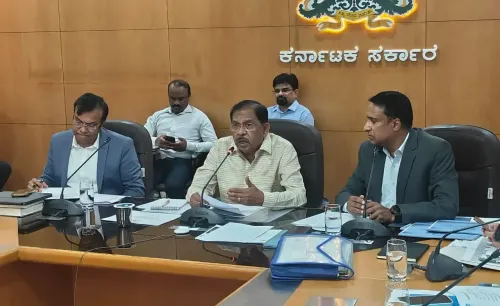
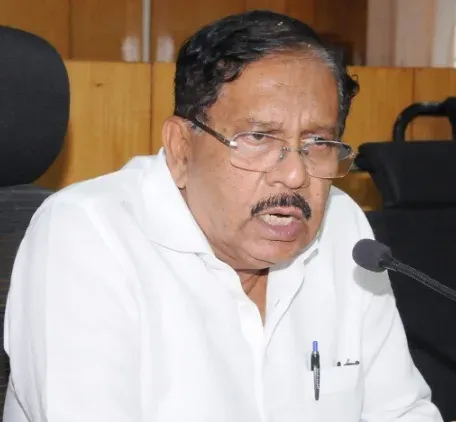
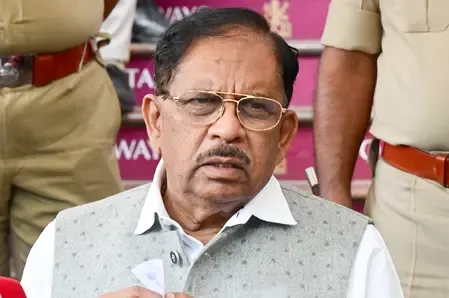
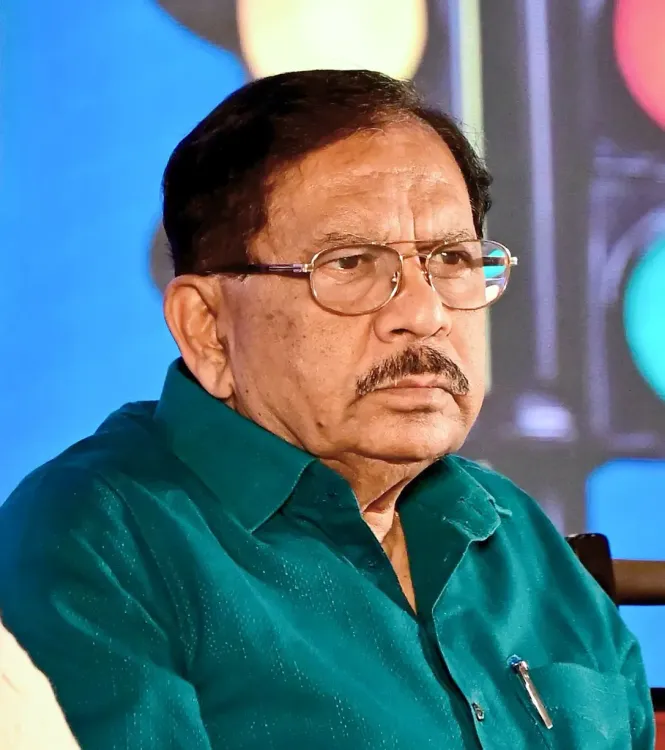
Karnataka Deputy Chief Minister G. Parameshwara on Saturday, 19 September 2026, raised alarm over the potential deletion of approximately 1.7 crore names from the state's electoral rolls during the ongoing Special Intensive Revision (SIR) process, warning that no eligible voter should be stripped of their right to vote. Speaking in Tumakuru, Parameshwara said the matter had been taken up at the highest levels of the party.
What Parameshwara Said
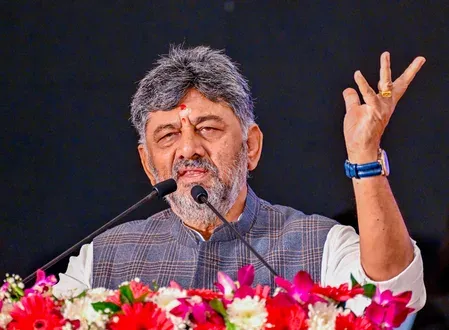
"When you know that 1.7 crore voters' names will be deleted, naturally it is a big concern for us. No voter should lose their right to vote," he said. Parameshwara added that the Congress high command had discussed the SIR issue prominently during recent deliberations in Bengaluru, and that he had been specifically directed to examine the matter seriously.
He drew a careful distinction, however, between legitimate and potentially unlawful deletions. The removal of duplicate entries, names of voters who had relocated to other constituencies, and names of deceased individuals — numbering 16 lakh — were, in his view, acceptable and routine parts of any electoral roll clean-up exercise.
The Scale of Karnataka's SIR Exercise
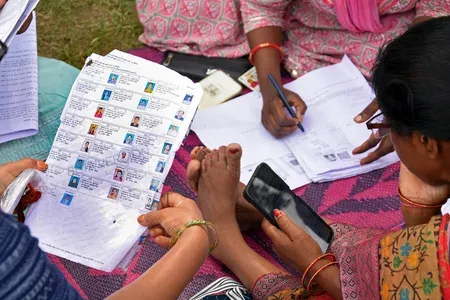
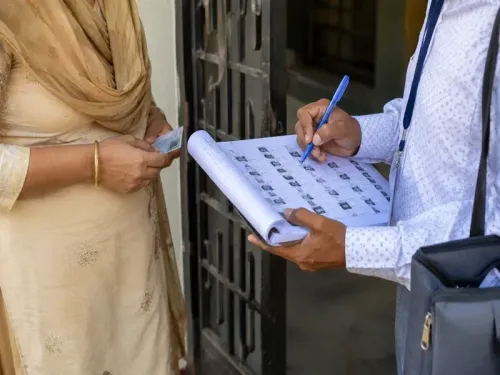
Karnataka's Special Intensive Revision began on 30 June 2026 with house-to-house enumeration conducted by Booth Level Officers across the state. The exercise covered approximately 5.54 crore registered voters.
Following the enumeration, around 1.07 crore voters were categorised under the ASDDO classification — Absent, Shifted, Dead, Duplicate, or Others. A draft electoral roll was subsequently published on 24 August 2026, listing 4.46 crore voters as included.
Key Deadlines for Voters
Voters whose names may have been erroneously dropped have a narrow window to act. Claims and objections can be filed until 23 September 2026, with the notice and verification process running through 22 October 2026. The final electoral roll is scheduled for publication on 27 October 2026, with 1 October 2026 as the qualifying date for voter eligibility.
Notably, this leaves just four days from Parameshwara's statement for citizens to raise objections — a timeline that critics may argue is insufficient for a state with a voter base of over five crore.
Why This Matters
The SIR exercise, while standard electoral practice, has attracted political scrutiny given the sheer volume of names flagged for potential removal. At 1.07 crore voters in the ASDDO category, Karnataka's revision is one of the largest such exercises in recent state electoral history. Opposition concerns — and now the Deputy Chief Minister's own acknowledgement — reflect a broader anxiety about whether the process could inadvertently disenfranchise genuine voters, particularly in densely populated or frequently migrant-heavy constituencies.
The final roll, expected on 27 October, will be closely watched as a test of the Election Commission's ability to balance roll accuracy with voter inclusion.
Point of View
It raises a pointed question: why has the state not intervened more forcefully with the Election Commission to extend the objection window or deploy broader public awareness campaigns? The four-day gap between his statement and the 23 September deadline for claims is almost certainly too short for large-scale outreach. There is also a deeper structural issue here: ASDDO classifications are inherently imprecise in states with high internal migration, and bulk deletions in urban constituencies could quietly alter the composition of future electoral outcomes without any individual being clearly at fault.
NationPress
20 Sept 2026
Frequently Asked Questions
Why are 1.7 crore voter names at risk of deletion in Karnataka?
Karnataka's Special Intensive Revision (SIR) of electoral rolls, which began on 30 June 2026, identified around 1.07 crore voters under the ASDDO category — Absent, Shifted, Dead, Duplicate, or Others. Deputy CM G. Parameshwara has warned this process could result in approximately 1.7 crore names being removed, including potentially eligible voters.
What is the Special Intensive Revision (SIR) of electoral rolls?
The SIR is an election authority-led exercise to clean up voter lists through house-to-house enumeration by Booth Level Officers. It identifies entries to be removed — such as deceased, relocated, or duplicate voters — and publishes a draft roll for public scrutiny before finalising it.
What is the deadline for Karnataka voters to file objections?
Voters can file claims and objections until 23 September 2026. The notice and verification process runs through 22 October 2026, with the final electoral roll set for publication on 27 October 2026.
Which deletions did Parameshwara say were acceptable?
Parameshwara said removing duplicate entries, names of voters who have shifted to other constituencies, and names of the deceased — estimated at 16 lakh — were legitimate parts of the revision process. His concern is specifically about eligible voters being incorrectly removed.
How does this affect Karnataka's upcoming elections?
The final electoral roll, due on 27 October 2026 with 1 October as the qualifying date, will determine who can vote in future Karnataka elections. A large-scale deletion of eligible voters could affect election outcomes, particularly in constituencies with high migration or dense urban populations.