Karnataka final electoral roll 2026 to publish October 27 after SIR
Synopsis
Karnataka's final 2026 electoral roll is set for publication on 27 October after a contentious Special Intensive Revision process that drew over 25.87 lakh applications — including allegations of bulk Form 7 filings allegedly targeting Congress-held constituencies. Chief Minister D.K. Shivakumar demanded action, the BJP pushed back, and the CEO has now ordered enquiries and safeguards before a single name is deleted.
Key Takeaways
Karnataka's final electoral roll for 2026 will be published on 27 October 2026 , as scheduled by the Election Commission of India .
A total of 43,82,824 notices were generated during the Special Intensive Revision (SIR) ; hearings on all have been completed.
Over 25,87,461 applications were received between 16 June and 22 October 2026 , including 10,42,863 Form 6 and 13,10,841 Form 8 submissions.
Shivakumar and Congress leaders alleged bulk Form 7 filings were targeting voters in Congress constituencies; BJP disputed this characterisation.
Anbukkumar has ordered enquiries into suspected false applications and confirmed that a Form 7 objection does not automatically delete a voter's name.
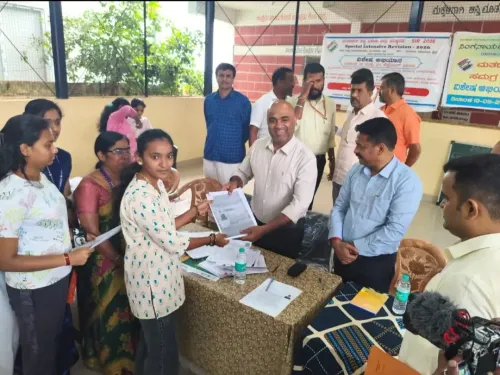
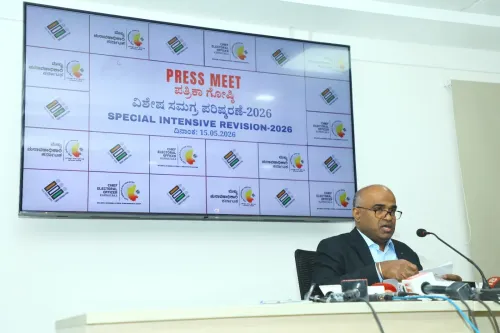
The Office of the Chief Electoral Officer (CEO) of Karnataka on Friday, 23 October 2026 announced that the final electoral roll for 2026 will be published on 27 October, as scheduled by the Election Commission of India (ECI). The publication follows the completion of hearings on notices issued during the Special Intensive Revision (SIR) of electoral rolls across the state.
Scale of the Revision Process
According to an official press note from the CEO's office, a total of 43,82,824 notices were generated and delivered across Karnataka during the SIR exercise. Hearings on all notices have since been completed, clearing the path for the roll's finalisation.
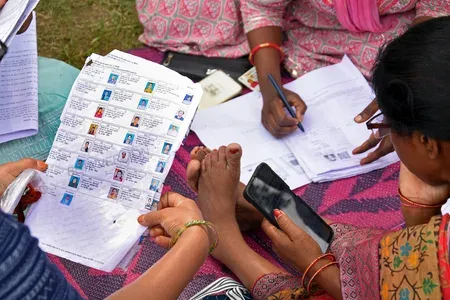
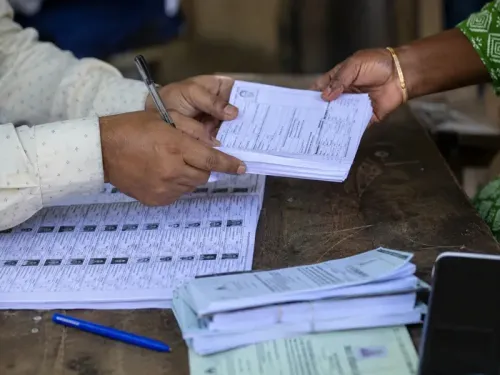
Between 16 June and 22 October 2026, the state received a total of 25,87,461 applications across various categories. These included 10,42,863 Form 6 applications for inclusion of names, 4,840 Form 6A applications relating to overseas electors, 2,28,917 Form 7 applications concerning objections to inclusion or deletion of names, and 13,10,841 Form 8 applications for corrections and other changes to existing entries.
How Voters Can Still Enrol or Make Corrections
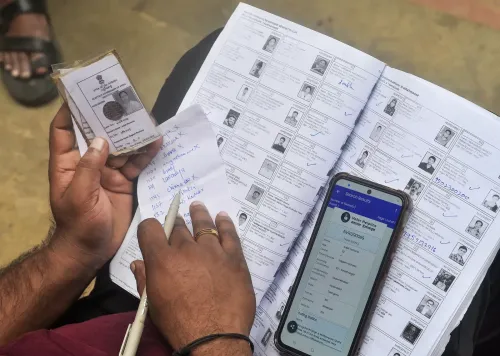
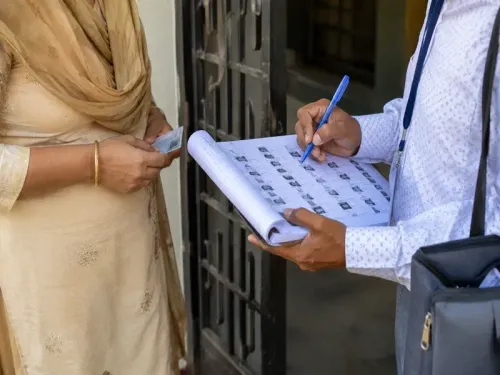
The CEO's office clarified that enrolment and correction of entries in the electoral roll are continuous processes that do not end with the SIR. Eligible voters can still submit Form 6, Form 6A, Form 7, or Form 8 to concerned Electoral Registration Officers (EROs) at any time. Applications can be filed online through the ECINET App or submitted offline at the offices of Booth Level Officers (BLOs), Assistant Electoral Registration Officers (AEROs), and Electoral Registration Officers.
The Controversy Over Bulk Form 7 Applications
The SIR process in Karnataka has not been without controversy. Allegations emerged that bulk Form 7 applications — used to object to or seek deletion of voter names — were being submitted in large numbers, reportedly targeting constituencies represented by Congress legislators.
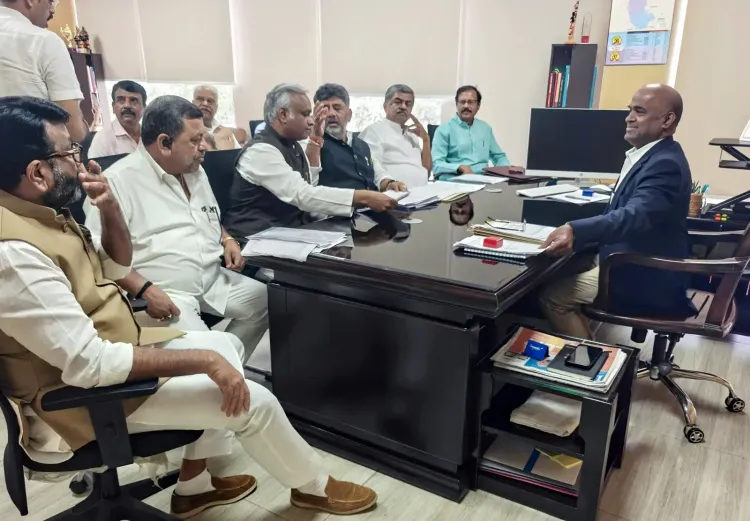
Karnataka Chief Minister D.K. Shivakumar and Congress leaders alleged that pre-filled Form 7 applications were filed in bulk, potentially endangering the enrolment of eligible voters. The party formally protested before the Chief Electoral Officer and sought action against those responsible.
Bharatiya Janata Party (BJP) leaders, however, disputed the characterisation of these applications as fraudulent, arguing that electoral objections are a legitimate part of the process and must be verified by authorities before any deletion occurs.
CEO's Response and Safeguards
Karnataka CEO V. Anbukkumar ordered enquiries into suspected false applications and directed officials to initiate legal action where wrongdoing is established. He also clarified that the submission of a Form 7 objection does not automatically result in deletion of a voter's name — due process and independent verification are mandatory before any name is removed from the roll.
All Form 7 applications received up to 23 September 2026, the last date for filing claims and objections, have been cleared on a priority basis, the CEO's office confirmed. Detailed information on the final electoral roll will be made publicly available on 27 October 2026.
Point of View
The burden on verification machinery becomes acute, and any failure in due process could disenfranchise genuine voters. The CEO's intervention — ordering enquiries and reiterating that Form 7 alone cannot trigger deletion — is the right procedural response, but independent audit of the final roll would strengthen public confidence. That neither side has called for a truly transparent third-party review reveals the political calculus at work.
NationPress
23 Oct 2026
Frequently Asked Questions
When will Karnataka's final electoral roll for 2026 be published?
Karnataka's final electoral roll for 2026 will be published on 27 October 2026, as announced by the Office of the Chief Electoral Officer and as scheduled by the Election Commission of India.
How many applications were received during Karnataka's SIR process?
A total of 25,87,461 applications were received between 16 June and 22 October 2026. These spanned Form 6 (inclusion of names), Form 6A (overseas electors), Form 7 (objections/deletions), and Form 8 (corrections).
What is the controversy over Form 7 applications in Karnataka?
Allegations surfaced that pre-filled Form 7 applications — which seek objection to or deletion of voter names — were being submitted in bulk, reportedly targeting constituencies held by Congress legislators. Chief Minister D.K. Shivakumar formally protested to the CEO, while BJP leaders argued the applications were a legitimate part of the electoral process.
Does a Form 7 application automatically remove a voter from the roll?
No. Karnataka CEO V. Anbukkumar has clarified that submission of a Form 7 objection does not automatically lead to deletion of a voter's name. Due process and independent verification by election authorities are mandatory before any name is removed.
How can eligible voters still enrol or make corrections to Karnataka's electoral roll?
Eligible voters can submit Form 6, Form 6A, Form 7, or Form 8 at any time to their concerned Electoral Registration Officers. Applications can be filed online via the ECINET App or offline at BLO, AERO, or ERO offices, as enrolment and corrections are a continuous process.