Giriraj Singh backs tech-handloom fusion at IIHT SUTRA 2026
Synopsis
Union Textiles Minister Giriraj Singh championed IIHT SUTRA 2026 on 13 August 2026, calling it a platform to reshape India's handloom sector through the convergence of technology, education, research and entrepreneurship — potentially signalling new policy direction for millions of weavers.
Key Takeaways
Union Textiles Minister Giriraj Singh publicly backed IIHT SUTRA 2026 on 13 August 2026 .
The conclave focuses on four pillars: education, innovation, research and entrepreneurship for the handloom sector.
The Indian Institute of Handloom Technology (IIHT) network anchors government-backed technical training and design research for weavers.
The Handlooms (Reservation of Articles for Production) Act, 1985 continues to protect traditional handloom products from powerloom competition.
Follow-up scheme or pilot-project announcements from the Textiles Ministry are the next milestone to watch.
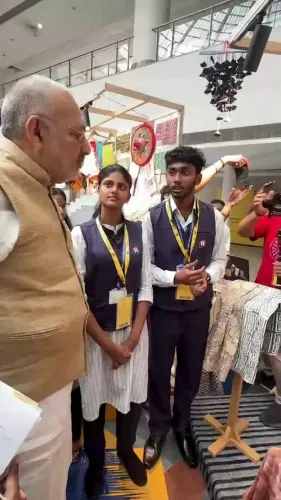
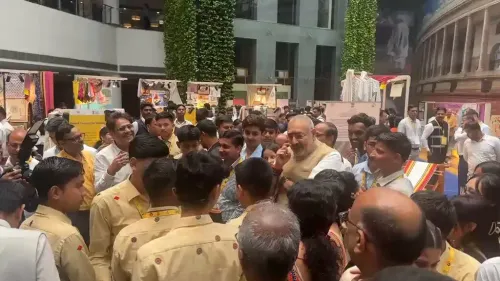
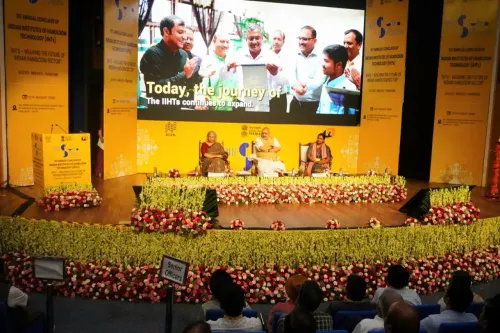
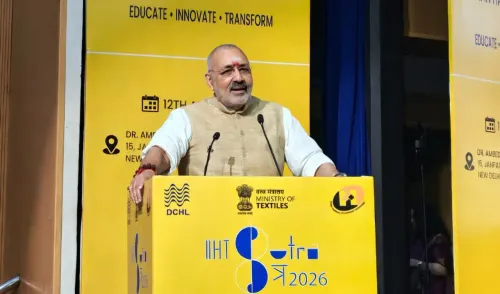
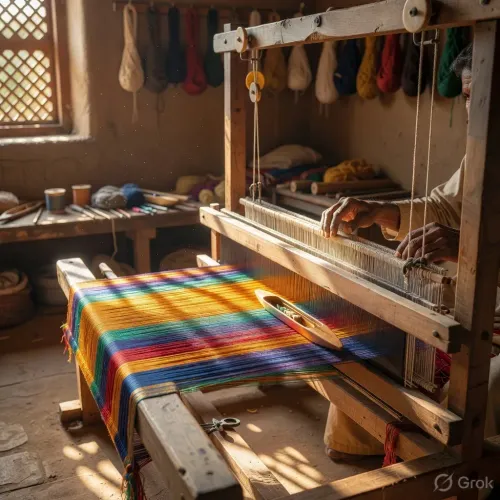
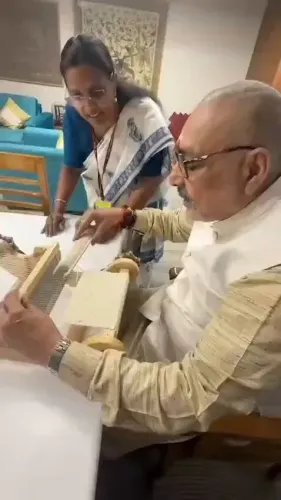
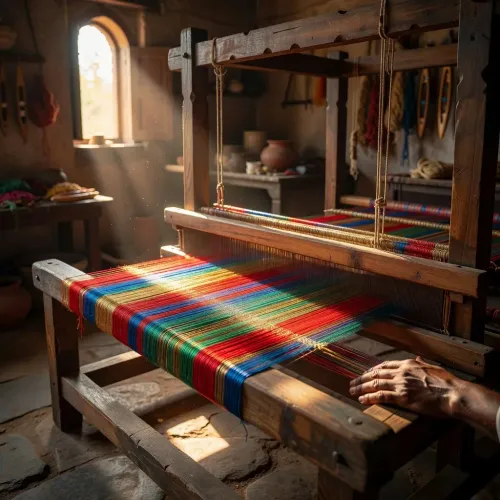
When the rhythm of the loom meets the rigour of modern technology, an ancient craft can write an entirely new chapter. That is the conviction Union Textiles Minister Giriraj Singh placed at the centre of IIHT SUTRA 2026, a national conclave focused on steering India's handloom sector toward education, innovation, research and entrepreneurship.
Posting on 13 August 2026, the Minister framed the event's ambition in a single sharp line: 'करघे की परंपरा को तकनीक की शक्ति मिले, तो हथकरघा क्षेत्र के विकास की नई कहानी लिखी जा सकती है' — 'If the tradition of the loom is empowered by technology, a new story of handloom sector development can be written.' The SUTRA platform, he said, is exactly the arena where that story is being deliberated.
What IIHT SUTRA 2026 brings to the loom
The Indian Institute of Handloom Technology (IIHT) network operates as the backbone of government-backed technical education and design research for weavers across the country. SUTRA 2026 appears to be a structured forum within that ecosystem — one that brings together educators, researchers and entrepreneurs to map the handloom sector's future. The Minister's post signals that the conclave was not merely ceremonial; deliberations on direction and strategy were at its core.
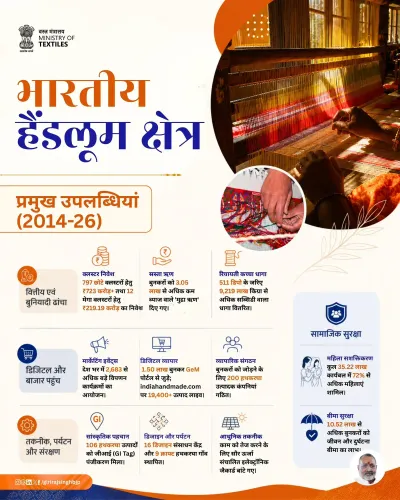
India's handloom industry supports millions of weavers and artisans, making it one of the largest cottage-employment sectors in the economy. Policy has long wrestled with a central tension: how to modernise without erasing the hand-crafted identity that gives the sector its cultural and commercial value. The Handlooms (Reservation of Articles for Production) Act, 1985 still anchors that protection, shielding traditional products from powerloom substitution.
Technology as the new warp thread
Successive governments have pushed IIHTs to bridge that gap — using design training, limited mechanisation and market-linkage programmes to lift weaver incomes without hollowing out the craft. SUTRA 2026 fits squarely in that lineage, but its explicit framing around entrepreneurship and innovation suggests an ambition to move beyond incremental skilling toward building a new generation of handloom-led businesses.
Whether the conclave produces concrete scheme announcements or pilot projects will become clear in the Textiles Ministry's follow-up communications — and, potentially, in the next Union Budget's allocation for the sector.
India's handlooms have survived centuries of disruption. The question SUTRA 2026 is asking is whether they can do more than survive — whether they can scale.
Point of View
Giriraj Singh is signalling that the Textiles Ministry intends to position technology-led handloom development as a flagship narrative — not just a welfare footnote. The move fits a broader BJP pattern of rebranding artisan-economy schemes as innovation stories, making them more legible to urban investors and export markets. The real test will be whether SUTRA 2026 produces measurable policy outputs — new IIHT curricula, startup incubation cells, or Budget allocations — or remains an ideas forum. With millions of weaver livelihoods in the balance, the gap between conclave rhetoric and ground-level scheme delivery will be the sharpest measure of intent.
NationPress
28 Sept 2026
Frequently Asked Questions
What is IIHT SUTRA 2026?
IIHT SUTRA 2026 is a national conclave organised within the Indian Institute of Handloom Technology ecosystem, focused on advancing the handloom sector through education, innovation, research and entrepreneurship, as highlighted by Union Textiles Minister Giriraj Singh on 13 August 2026.
What is the Indian Institute of Handloom Technology?
The Indian Institute of Handloom Technology (IIHT) is a network of government institutes that provides technical education, design training and research support to India's handloom sector and its weavers.
What did Giriraj Singh say about the handloom sector?
Giriraj Singh said that if the tradition of the loom is empowered by technology, a new story of handloom sector development can be written, positioning IIHT SUTRA 2026 as the platform to deliberate that future direction.
What law protects handloom weavers in India?
The Handlooms (Reservation of Articles for Production) Act, 1985 protects certain traditional handloom products from being manufactured by powerlooms, safeguarding the livelihoods of handloom weavers.
What should I watch for after IIHT SUTRA 2026?
Watch for follow-up announcements from the Textiles Ministry on new schemes, pilot projects or Budget allocations that emerge from the SUTRA 2026 discussions, which would indicate whether the conclave's ideas translate into concrete policy action.