Cabinet Clears 'Yuge Yugeen Bharat' Museum in North-South Block
Synopsis
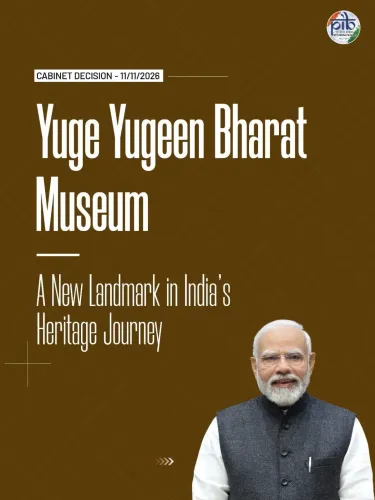
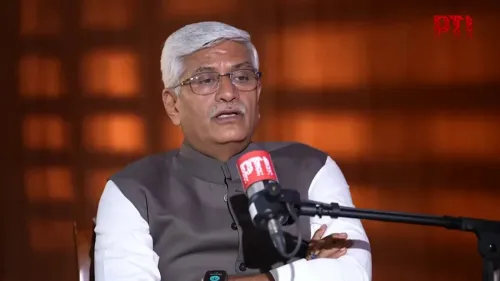
The Union Cabinet has approved the 'Yuge Yugeen Bharat Sangrahalaya' — a national museum of Indian civilisation, history and cultural diversity — to be built within the iconic North and South Block complex in New Delhi, Union Textiles Minister Giriraj Singh announced on 11 November 2026.
Key Takeaways
The Union Cabinet approved the construction of the Yuge Yugeen Bharat Sangrahalaya on 11 November 2026 .
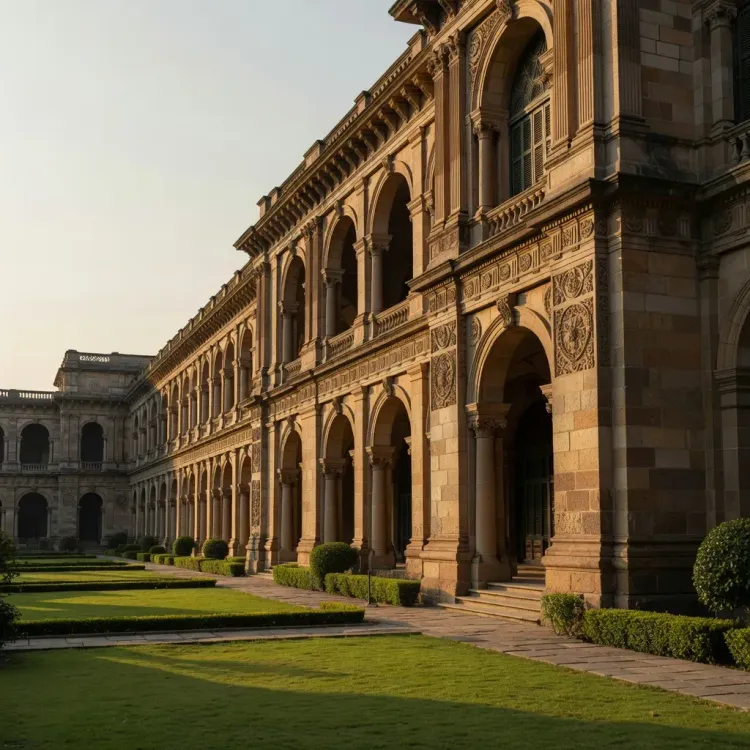
The museum will be located in the historic North and South Block complex on Raisina Hill, New Delhi .
It will showcase India's civilisation, history and cultural diversity.
The project is linked to the Central Vista Redevelopment approved in 2019 , which is freeing up the colonial-era blocks as government offices shift to new secretariat buildings.
The approval continues a broader government push since 2014 to build cultural infrastructure tied to national identity and heritage tourism.
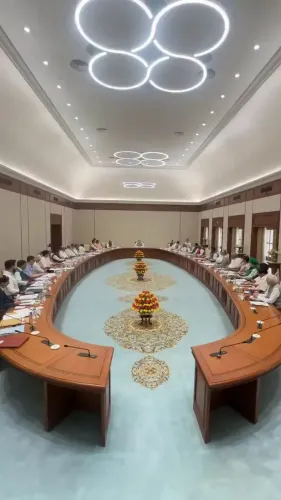
Key next steps include official timelines, architectural tendering, and coordination with ongoing Central Vista construction works.
India's most storied government buildings are set to gain a new purpose: the Union Cabinet has approved the construction of the 'Yuge Yugeen Bharat Sangrahalaya' — a grand national museum — within the historic North and South Block complex in New Delhi, Union Textiles Minister Giriraj Singh announced on Wednesday, 11 November 2026. The museum is envisioned as a sweeping showcase of India's civilisational depth, its layered history, and its extraordinary cultural diversity.
Singh shared the Cabinet decision on X, writing in Hindi: 'Kendra ya mantrimandalane nai Dilli ke North aur South Block parisarme 'Yuge Yugeen Bharat Sangrahalaya' ke nirmaan ko manjuri di hai' — 'The Union Cabinet has approved the construction of the 'Yuge Yugeen Bharat Sangrahalaya' in the North and South Block complex in New Delhi. This museum will present a glimpse of India's rich civilisation, history and cultural diversity.'
North and South Block: From Power Corridors to Living Heritage
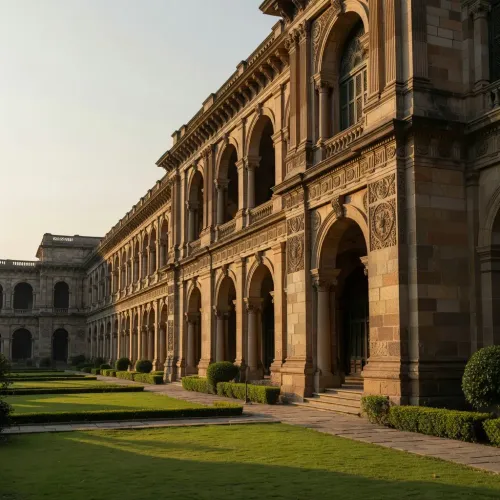
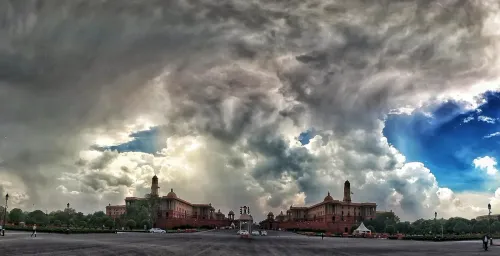
The choice of location is itself a statement. North Block and South Block — the twin colonial-era sandstone structures flanking Raisina Hill — have long housed the Prime Minister's Office and the Ministry of Home Affairs, the nerve centres of executive power. Repurposing them for public cultural access represents one of the most significant reuses of heritage government real estate in independent India's history.
The move is closely linked to the broader Central Vista Redevelopment Project, which the Cabinet cleared in 2019 and which includes the construction of a new Parliament building and a rebuilt common Central Secretariat. As those new facilities absorb government functions, the North and South Block structures become available for reimagining — and the Cabinet has now chosen a civilisational museum as their new identity.
A Civilisational Narrative in Stone and Gallery
The Yuge Yugeen Bharat Sangrahalaya — the name translates roughly as 'Museum of India Through the Ages' — is conceived to do something ambitious: compress millennia of Indian civilisation into a single, navigable experience. The post signals that the museum will cover not just political and dynastic history, but also cultural diversity, making it a potential centrepiece for both domestic and international tourism.
This approval sits within a larger pattern of cultural infrastructure investments since 2014, including the National Museum of Indian Cinema in Mumbai, the Pradhan Mantri Sangrahalaya (Prime Ministers' Museum) in New Delhi, and multiple tribal and maritime heritage projects. The government has consistently framed these institutions as tools for strengthening national identity and historical pride — alongside a secondary goal of powering the heritage tourism economy.
What Comes Next: Timelines and Tendering
Cabinet approval is the starting gun, not the finish line. The key milestones to watch now are formal project timelines, architectural tendering, and how construction will be integrated — or sequenced — with the still-ongoing Central Vista works. The scale of the two heritage buildings means the museum, once complete, could rank among the largest in Asia by floor area.
India's heritage sector and the tourism industry will be watching closely: a museum of this ambition, in this location, could reshape how millions of visitors — Indian and foreign — experience the idea of India's past. The stones of empire may yet tell a different story.
Point of View
Though the real test will be the depth and plurality of the history it chooses to tell. With Central Vista still under construction, the sequencing of this museum's execution will be a key logistical and political variable to watch.
NationPress
11 Nov 2026
Frequently Asked Questions
What is the Yuge Yugeen Bharat Sangrahalaya?
The Yuge Yugeen Bharat Sangrahalaya is a proposed national museum approved by the Union Cabinet in November 2026 that will be built in New Delhi's North and South Block complex to showcase India's civilisation, history and cultural diversity. The name roughly translates to 'Museum of India Through the Ages.'
Where will the Yuge Yugeen Bharat museum be located?
The museum will be located within the North and South Block complex on Raisina Hill in New Delhi — the same buildings that have historically housed the Prime Minister's Office and the Ministry of Home Affairs.
What is the Central Vista project and how is it related?
The Central Vista Redevelopment Project, approved by Cabinet in 2019, involves rebuilding the government's central administrative zone, including a new Parliament and a common Central Secretariat. As government offices shift to these new facilities, North and South Block become available for repurposing — which the Cabinet has now earmarked for the museum.
Who announced the Cabinet approval for the museum?
Union Textiles Minister and senior BJP leader Giriraj Singh, who is also a Lok Sabha MP from Begusarai, Bihar, announced the Cabinet decision on X on 11 November 2026.
When will the Yuge Yugeen Bharat Sangrahalaya open?
No official opening date has been announced yet. The Cabinet approval is the first formal step; tendering, architectural planning and construction timelines are yet to be made public.