Puri marks one year of Modi's third term, cites 12 years of GYAN-led growth

Synopsis
Union Petroleum Minister Hardeep Singh Puri has marked the first anniversary of PM Modi's third consecutive swearing-in on 9 June 2024, praising 12 years of GYAN-led inclusive development and reaffirming the Viksit Bharat @2047 vision.
Key Takeaways
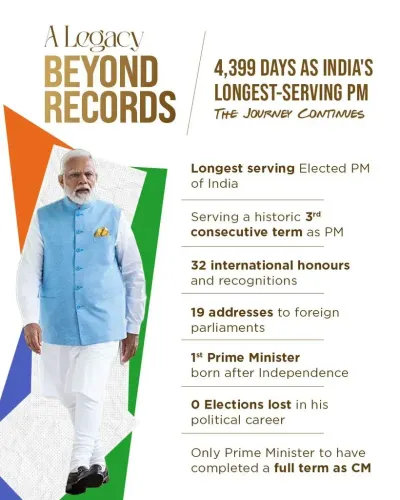
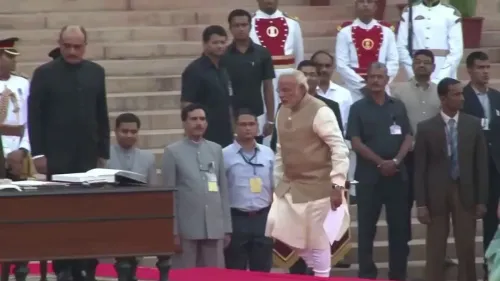
9 June 2024 marked PM Narendra Modi 's swearing-in for a third consecutive term — the first Indian prime minister to do so.
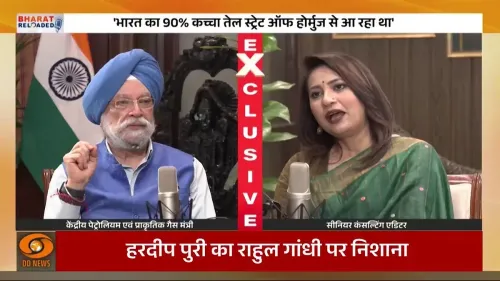
Union Petroleum Minister Hardeep Singh Puri commemorated the first anniversary of that occasion on 9 June 2026 .
The post highlights the GYAN framework — targeting the poor, youth, farmers, and women — as the core of 12 years of BJP-led development policy.
The Atmanirbhar Bharat Abhiyan , launched in May 2020 , is cited as a pillar of economic self-reliance under this governance model.
The Viksit Bharat @2047 vision — India as a developed nation by 2047 — is framed as the overarching goal of the ongoing policy journey.
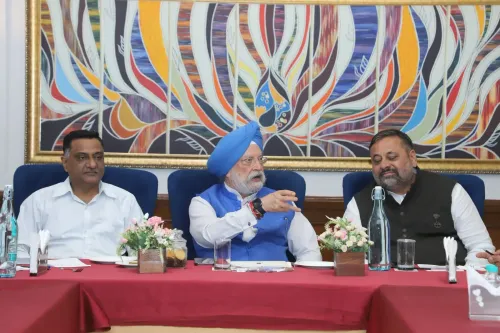
Union Petroleum Minister Hardeep Singh Puri on Tuesday, 9 June 2026 marked the first anniversary of Prime Minister Narendra Modi's third consecutive swearing-in, calling the occasion 'an unprecedented expression of public trust in India's democratic history.'
Context
Puri's post, shared in Hindi with the hashtag #12YearsOfSeva, commemorates 9 June 2024 — the day Modi was sworn in for a third consecutive term as Prime Minister, the first Indian prime minister to achieve that milestone. Translating the key passage: 'Aaj hi ke din PM Modi ji ne lagaatar teesri baar Pradhanmantri pad ki shapath lekar...' ('On this very day, PM Modi took oath as Prime Minister for the third consecutive time, advancing a journey of service, good governance, and resolve that the people of the nation have empowered with their trust.')
The post frames the date not merely as a political anniversary but as a marker of democratic endorsement, situating 12 years of BJP-led NDA governance within a narrative of continuity and public mandate.
Policy Backdrop
Modi first assumed office in May 2014 following the BJP's Lok Sabha majority, and was re-elected in May 2019. The June 2024 swearing-in extended that unbroken run, cementing a policy template built around targeted welfare delivery and strategic economic self-reliance.
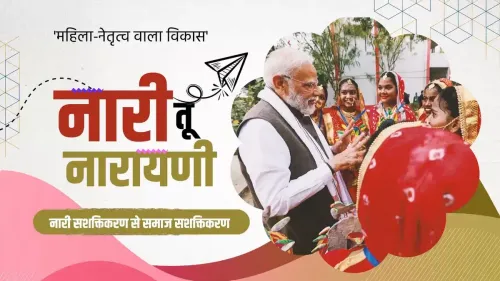
Puri highlights the 'GYAN' framework — an acronym covering Garib (the poor), Yuva (youth), Annadata (farmers), and Narishakti (women) — as the organising principle of development over this period. This demographic-focused framing has underpinned flagship programmes ranging from direct-benefit transfers to the Atmanirbhar Bharat Abhiyan, the self-reliance initiative launched in May 2020 to reduce import dependency and strengthen domestic manufacturing after pandemic-era supply-chain disruptions.
The post also invokes the Viksit Bharat vision — the government's publicly articulated goal of making India a developed nation by 2047 — describing it as a journey 'in which every citizen is a participant and every dream is becoming the nation's strength.'
Stakeholders and Impact
The four constituencies named in the GYAN framework — poor citizens, youth, farmers, and women — represent the core demographic groups that successive Modi governments have targeted through welfare and empowerment schemes. Puri's post argues that inclusive growth across these groups has given fresh momentum to the broader Atmanirbhar Bharat and Viksit Bharat goals.
As a senior BJP leader and Union Minister of Petroleum and Natural Gas, Puri's public tribute also reflects the party's broader messaging effort to consolidate the political narrative around the third term's first anniversary, reinforcing the image of stable, long-horizon governance.
What's Next
With the third term now in its second year, attention will turn to whether the monsoon session of Parliament delivers legislative or budgetary actions that expand the GYAN-aligned schemes. The Viksit Bharat @2047 roadmap will continue to serve as the government's stated benchmark, and any new policy announcements in welfare, energy, or manufacturing will be measured against the inclusive-growth promises that leaders like Puri are actively reaffirming.
Point of View
Arriving exactly one year after the third-term swearing-in to anchor the BJP's governance narrative around continuity and democratic legitimacy. By deploying the GYAN acronym and invoking both Atmanirbhar Bharat and Viksit Bharat, the minister connects everyday welfare delivery to a long-horizon national vision — a dual register that has become standard BJP communication strategy. The tribute also signals internal party solidarity: senior ministers publicly reinforcing the Modi brand ahead of potential legislative and budgetary milestones in the second year of the third term. Analysts will watch whether this anniversary messaging translates into concrete policy announcements in the upcoming monsoon session.
NationPress
23 Oct 2026
Frequently Asked Questions
When did PM Modi take oath for his third term?
PM Narendra Modi was sworn in for his third consecutive term as Prime Minister on 9 June 2024 , making him the first Indian prime minister to serve three back-to-back terms.
What is the GYAN framework in Modi government policy?
GYAN stands for Garib (poor), Yuva (youth), Annadata (farmers), and Narishakti (women) — the four demographic groups that the BJP-led government has prioritised for welfare and empowerment over the past 12 years.
What is Viksit Bharat 2047?
Viksit Bharat @2047 is the Indian government's long-term vision to make India a fully developed nation by the centenary of its independence in 2047, guiding current policy priorities across sectors.
What is Atmanirbhar Bharat?
Atmanirbhar Bharat Abhiyan is a self-reliance initiative launched in May 2020 to reduce India's import dependency, boost domestic manufacturing, and strengthen economic resilience.
Why did Hardeep Singh Puri post about Modi's anniversary?
As a senior BJP leader and Union Petroleum Minister, Hardeep Singh Puri posted to mark the first anniversary of PM Modi's third-term swearing-in on 9 June 2024 , reflecting the party's broader effort to reinforce its governance narrative around the occasion.