Cabinet clears Aqua Line Metro extension: Noida to Greater Noida in 8.449 km
Synopsis
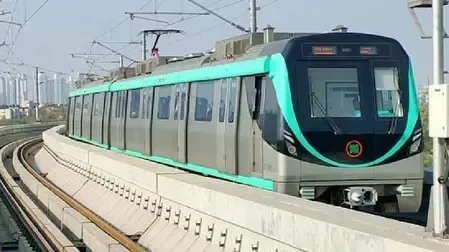
The Union Cabinet has greenlit an 8.449-km extension of the Aqua Line Metro from Noida Sector-51 to Greater Noida Sector-04, adding five elevated stations and pushing the combined metro network to 71.878 km. A direct interchange with Delhi Metro's Blue Line is the headline feature — finally stitching two of NCR's fastest-growing cities into the broader rapid transit grid.
Key Takeaways
The Union Cabinet approved the Aqua Line Metro extension on 11 November 2026 , covering 8.449 km with 5 elevated stations .
The corridor runs from Noida Sector-51 to Greater Noida Sector-04 .
Total metro network across Noida and Greater Noida will reach 71.878 km upon operationalisation.
An interchange at Noida Sector-61 will connect the Aqua Line to the Delhi Metro Blue Line .
The project is projected to ease traffic congestion, reduce emissions, and improve access to commercial, educational, and healthcare hubs.
The Union Cabinet, chaired by Prime Minister Narendra Modi, on Wednesday, 11 November 2026, approved the extension of the Aqua Line Metro Rail Corridor from Noida Sector-51 to Greater Noida Sector-04, covering 8.449 kilometres with five elevated stations. Once operational, the combined metro network across Noida and Greater Noida will stretch to 71.878 kilometres.
What the Extension Covers
The newly approved corridor integrates key urban zones across Noida, including commercial hubs, major MNC and IT campuses, educational institutes, healthcare facilities, and large residential societies. A critical feature of the extension is an interchange at Noida Sector-61 station, connecting the Aqua Line directly to the Delhi Metro Blue Line — giving commuters seamless access to Delhi's airport, railway stations, and bus depots.
Connectivity and Commuter Impact
According to the official Cabinet statement, the extension is intended to address a longstanding gap in efficient public transport between the two cities. The corridor is expected to reduce travel times, ease daily commutes for residents and working professionals, and improve access to essential services across socio-economic groups. The Cabinet noted that reduced commute times can directly enhance workplace productivity.
Traffic and Environmental Benefits
The Cabinet statement highlighted that a reduction in road traffic is a key anticipated benefit, projecting smoother vehicular movement, shorter travel times, and improved road safety. Shifting commuters from road to rail is also expected to deliver environmental benefits by reducing vehicular emissions across one of India's most congested urban corridors.
Economic and Social Significance
Officials noted that the project would stimulate economic activity along the corridor while delivering more equitable access to public transport, thereby narrowing transport disparities between different sections of the population. The Cabinet described the extension as 'a transformative development' for the region, promising enhanced connectivity, economic growth, and an improved quality of life. With operational timelines yet to be announced, the focus now shifts to project execution and civil works commencement.
Point of View
The Aqua Line has remained an isolated spur rather than a true network node. The real test will be execution speed: Noida Metro Rail Corporation has a track record of delays, and commuters in this corridor have been underserved for years. Approvals are the easy part; what Greater Noida's IT and residential belt needs is a commissioning date, not a Cabinet resolution.
NationPress
11 Nov 2026
Frequently Asked Questions
What is the Aqua Line Metro extension approved by the Cabinet?
The Union Cabinet approved an 8.449-km extension of the Aqua Line Metro Rail Corridor from Noida Sector-51 to Greater Noida Sector-04, featuring five elevated stations. Once operational, the combined Noida–Greater Noida metro network will span 71.878 kilometres.
How does this extension connect to the Delhi Metro?
The extended corridor includes an interchange at Noida Sector-61 station, linking the Aqua Line to the Delhi Metro's Blue Line. This gives commuters direct access to Delhi's airport, railway stations, and major bus depots without changing to road transport.
Who will benefit from the Noida–Greater Noida metro extension?
The extension is designed to serve residents, office commuters, students, and patients who rely on commercial hubs, MNC and IT campuses, educational institutes, and healthcare facilities along the corridor. The Cabinet also noted it will improve equitable access across socio-economic groups.
What are the expected traffic and environmental benefits?
The Cabinet statement projects reduced road congestion, shorter travel times, and improved road safety as commuters shift to rail. A reduction in private vehicle use along the corridor is also expected to lower vehicular emissions in one of India's most congested urban belts.
When will the extended Aqua Line Metro become operational?
The Cabinet approval on 11 November 2026 cleared the project for implementation, but operational timelines have not yet been announced. Civil works commencement and a commissioning schedule are awaited from the Noida Metro Rail Corporation.