CM Bhajanlal Backs Modi's Mann Ki Baat Call on Musical Heritage
Synopsis
Rajasthan Chief Minister Bhajan Lal Sharma on 26 July 2026 shared PM Modi's Mann Ki Baat appeal urging Indians, especially youth, to engage with traditional musical instruments and India's rich cultural heritage, reinforcing the Centre's ongoing cultural outreach through state-level amplification.
Key Takeaways
CM Bhajan Lal Sharma publicly amplified PM Modi 's Mann Ki Baat message on India's traditional musical heritage on 26 July 2026 .
PM Modi used the monthly radio programme to call on citizens — especially youth — to reconnect with traditional instruments and cultural inheritance.
Mann Ki Baat has been a platform for highlighting indigenous arts and classical traditions since its launch in October 2014 .
Rajasthan hosts a significant community of hereditary folk musicians and instrument craftspeople who stand to benefit from renewed public interest.
BJP-governed states routinely echo central cultural messaging as part of coordinated national-to-state outreach.
Subsequent Mann Ki Baat episodes and potential Rajasthan state initiatives in music education will be key indicators of follow-through.
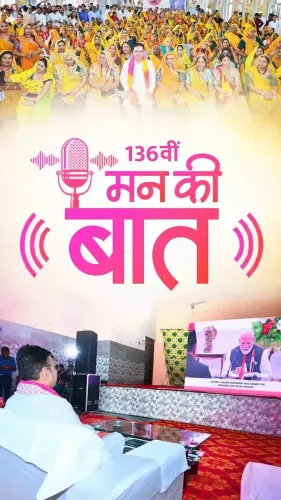
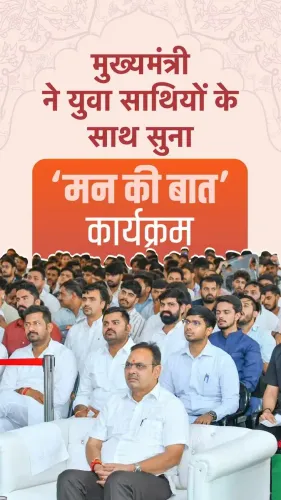
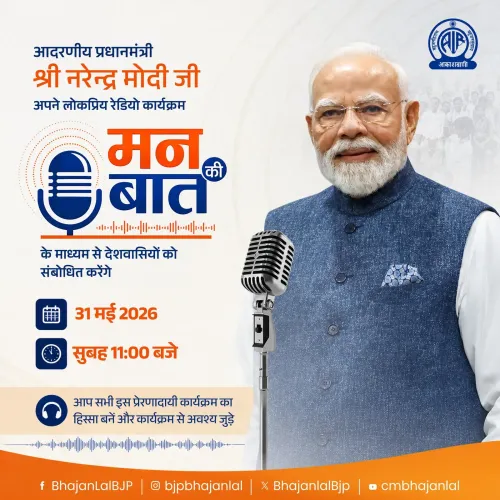
Rajasthan Chief Minister Bhajan Lal Sharma on Sunday, 26 July 2026, amplified Prime Minister Narendra Modi's appeal on the monthly radio programme Mann Ki Baat, urging citizens — especially the youth — to reconnect with India's traditional musical instruments and cultural heritage.
Context
In his post on X, CM Sharma noted that PM Modi had, during the latest episode of Mann Ki Baat ('मन की बात'), discussed India's 'glorious legacy of its rich musical instrument tradition' and called on countrymen — particularly the young — to stay connected with their traditional instruments and cultural inheritance. The Chief Minister's amplification of the message signals the ruling party's effort to carry the national cultural conversation into state-level public discourse.
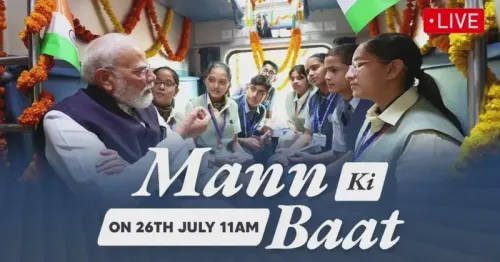
Mann Ki Baat is a monthly radio address that PM Modi launched in October 2014. It has regularly served as a platform to spotlight indigenous traditions, folk arts, and classical heritage alongside other national issues.
Policy Backdrop
The central government has consistently used Mann Ki Baat to encourage public engagement with classical and folk arts, integrating traditional knowledge systems into mainstream discourse. Ruling-party state leaders routinely echo these messages to align regional outreach with national cultural priorities.
This instance fits a broader pattern in which Rajasthan — a state with a particularly deep reservoir of folk music traditions including the sarangi, morchang, and ravanahatha — becomes a natural focal point whenever the Centre highlights indigenous musical heritage. The state's folk musicians and artisan communities stand to benefit from any renewed public interest generated by such national-level messaging.
Stakeholders and Impact
The primary beneficiaries of this cultural push are traditional musicians, instrument craftspeople, and cultural educators across India. For Rajasthan specifically, the state hosts a significant population of hereditary folk performers whose livelihoods are tied to the vitality of traditional music.
Young Indians are the stated audience for the appeal. Cultural organisations, music academies, and school curricula in states like Rajasthan could see renewed pressure — or opportunity — to incorporate traditional instrument training, should state-level follow-through materialise.
What's Next
Observers will watch whether Rajasthan translates this national cultural message into concrete state initiatives, such as integrating traditional instrument education into school programmes or featuring folk musicians more prominently at state festivals. Subsequent episodes of Mann Ki Baat addressing cultural topics will also be closely tracked for policy signals. The alignment between PM Modi's messaging and CM Sharma's public endorsement suggests coordinated outreach that could precede formal announcements in the cultural sector.
Point of View
And state leaders carry it to regional audiences. The focus on traditional musical instruments taps into a broader civilisational-pride discourse that has gained traction in government communications since 2014. For Rajasthan, a state with one of India's richest folk music ecosystems, the messaging carries particular resonance and could translate into tangible state-level cultural policy. Whether this remains symbolic outreach or precedes concrete investment in folk artists and music education will determine its real-world impact.
NationPress
26 Jul 2026
Frequently Asked Questions
What did PM Modi say about traditional musical instruments in Mann Ki Baat?
PM Modi discussed India's rich legacy of traditional musical instruments during a Mann Ki Baat episode and urged citizens, especially youth, to reconnect with their traditional instruments and cultural heritage. The specific episode was referenced by Rajasthan CM Bhajan Lal Sharma on 26 July 2026 .
What is Mann Ki Baat?
Mann Ki Baat is a monthly radio address by Prime Minister Narendra Modi , launched in October 2014 . It covers a wide range of national topics including cultural heritage, social initiatives, and citizen achievements.
Why did Rajasthan CM Bhajan Lal Sharma share this post?
CM Bhajan Lal Sharma shared PM Modi's Mann Ki Baat message to amplify the national cultural appeal at the state level, aligning Rajasthan's public outreach with the Centre's emphasis on traditional music and heritage.
Which traditional musical instruments are associated with Rajasthan?
Rajasthan is known for folk instruments such as the sarangi , morchang , ravanahatha , and algoza , among others. The state has a large community of hereditary folk musicians whose traditions span centuries.
Will Rajasthan launch any scheme for traditional musicians after this?
No specific scheme has been announced as of 26 July 2026 . Observers are watching for potential Rajasthan state initiatives such as integrating traditional instrument education into schools or expanding support for folk artists at state festivals.