CM Bhajanlal joins PM-KISAN 23rd instalment event virtually
Synopsis
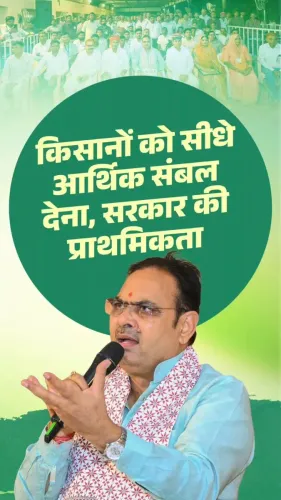
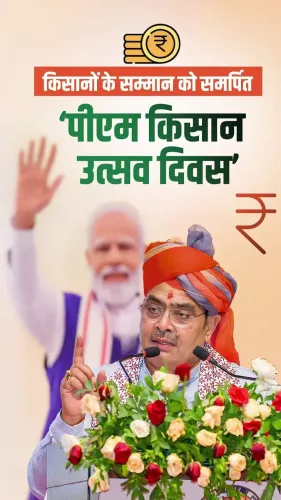
Chief Minister Bhajanlal Sharma participated virtually from Sumerpur, Pali, in PM Modi's PM-KISAN 23rd instalment event held in Kolkata on 21 June 2026, while also addressing a state function and inspecting an urban service camp to assess scheme implementation on the ground.
Key Takeaways
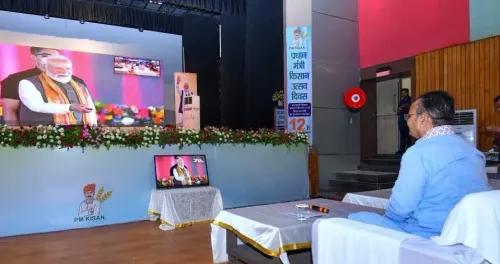
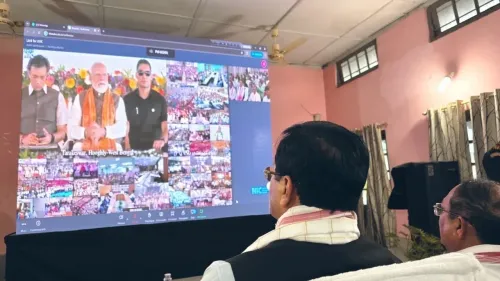
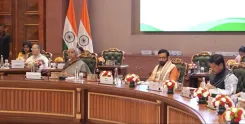
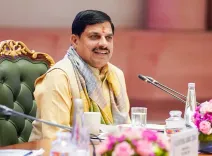
Chief Minister Bhajanlal Sharma joined PM Modi's PM-KISAN 23rd instalment release event virtually from Sumerpur, Pali on 21 June 2026 .
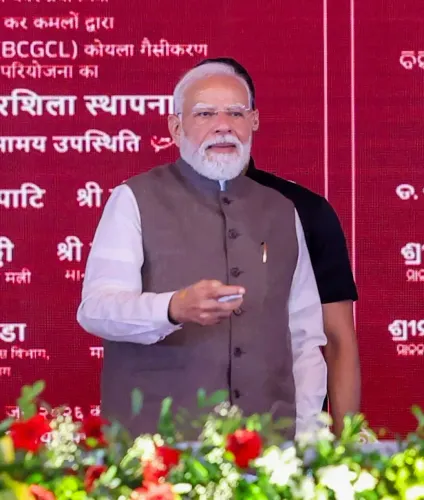
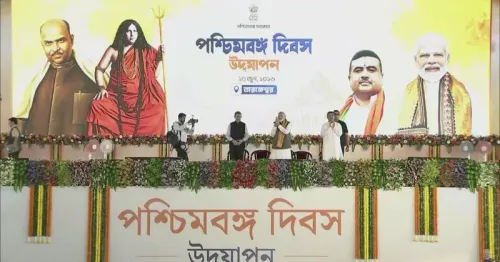
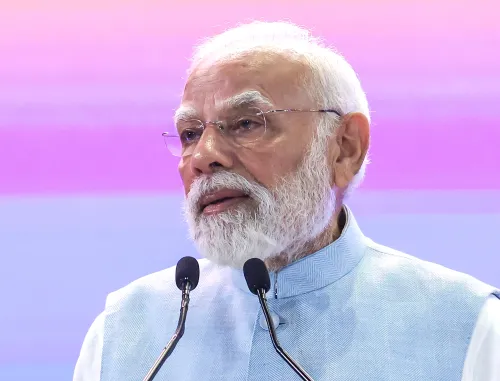
The national event was convened by Prime Minister Narendra Modi from Kolkata .
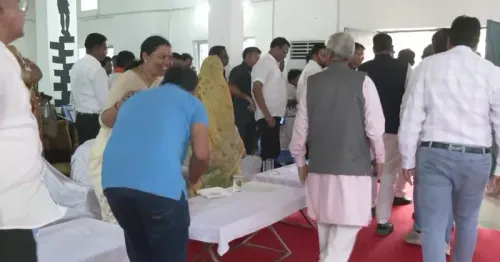
Sharma addressed a state-level function during the event and inspected a Shahri Seva Shivir (urban service camp) at Sumerpur.
The PM-KISAN scheme provides Rs 6,000 per year in three instalments to eligible landholding farmer families across India.
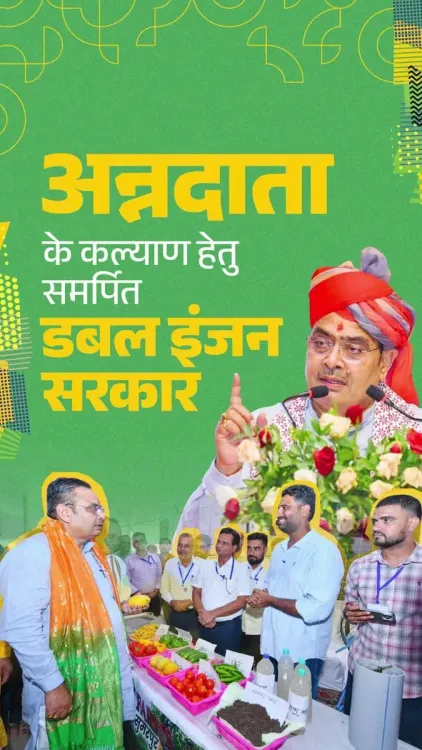
The CM inspected departmental stalls, gathered information on schemes, and collected direct public feedback on implementation.
Rajasthan has been conducting Shahri Seva Shivirs since 2024 as single-window camps for scheme delivery and grievance redressal.
The Chief Minister's Office of Rajasthan announced on Sunday, 21 June 2026 that Chief Minister Bhajanlal Sharma participated virtually in the national PM-KISAN 23rd instalment release event — convened by Prime Minister Narendra Modi from Kolkata — joining from Sumerpur in Pali district, where he also addressed a state-level function and inspected an urban service camp.
Context
Prime Minister Narendra Modi presided over the release of the 23rd instalment of the Pradhan Mantri Kisan Samman Nidhi (PM-KISAN) from Kolkata, a national event that saw participation from chief ministers and senior officials across states. CM Bhajanlal Sharma chose to join the event virtually from Sumerpur, Pali, allowing him to simultaneously engage with a state-level programme on the ground in Rajasthan.
The Chief Minister's Office stated that Sharma addressed the state-level function during the event, connecting the national rollout to Rajasthan's own outreach machinery. His presence in Sumerpur — rather than Jaipur — underscored the government's intent to take scheme delivery directly to district and tehsil levels.
Policy Backdrop
The Pradhan Mantri Kisan Samman Nidhi was launched in February 2019 and provides eligible landholding farmer families with Rs 6,000 per year in three equal instalments of Rs 2,000 each, transferred directly to bank accounts under the Direct Benefit Transfer framework. The scheme has been one of the largest direct income-support programmes for farmers in India's history.
In Rajasthan, the Bhajanlal Sharma government — which took office in December 2023 — has been conducting periodic Shahri Seva Shivirs (urban service camps) since 2024 as single-window district-level camps for scheme delivery and grievance redressal. These camps bring multiple government departments under one roof to ensure citizens can access entitlements without navigating separate offices.
Stakeholders and Impact
The primary beneficiaries of the PM-KISAN instalment are eligible farmer families across Rajasthan and the country, who receive funds directly into their bank accounts. The Sumerpur Shahri Seva Shivir extended the outreach to urban households, reflecting the dual focus of the day's events on both agrarian and urban welfare delivery.
CM Sharma inspected stalls set up by various government departments at the camp, sought information on scheme implementation, and held direct conversations with members of the public to gather feedback on the reach and effectiveness of government programmes. This feedback loop is a stated mechanism for assessing on-ground implementation of welfare schemes.
What's Next
The release of subsequent PM-KISAN instalments will be watched closely, as will any state-level evaluation reports on the Shahri Seva Shivir model's effectiveness in improving last-mile delivery of central and state schemes. The Rajasthan government's continued use of these camps signals an intention to institutionalise district-level outreach as a regular governance tool rather than a one-off exercise.
Point of View
Not just passive fund transfer. This pattern of combined virtual-national and physical-local participation has become a standard template for BJP-ruled states during major DBT rollouts. The model also serves a political purpose: it reinforces the party's narrative of seamless Centre-state coordination on farmer and urban welfare.
NationPress
19 Sept 2026
Frequently Asked Questions
What is the PM-KISAN 23rd instalment and when was it released?
The 23rd instalment of the Pradhan Mantri Kisan Samman Nidhi (PM-KISAN) was released by Prime Minister Narendra Modi from Kolkata on 21 June 2026. PM-KISAN provides Rs 6,000 per year to eligible farmer families in three instalments of Rs 2,000 each.
Why did CM Bhajanlal Sharma attend the PM-KISAN event from Sumerpur in Pali?
CM Bhajanlal Sharma participated virtually from Sumerpur, Pali, to simultaneously engage with a state-level function and inspect a Shahri Seva Shivir (urban service camp) being held there, allowing him to connect the national event to district-level outreach.
What is a Shahri Seva Shivir in Rajasthan?
A Shahri Seva Shivir is an urban service camp run by the Rajasthan government, introduced in 2024, that brings multiple government departments together at a single venue so that citizens can access scheme benefits and resolve grievances without visiting separate offices.
What did CM Bhajanlal Sharma do at the Sumerpur camp?
CM Sharma inspected stalls set up by various government departments, gathered information on ongoing schemes, and spoke directly with members of the public to collect feedback on the reach and implementation of government welfare programmes.
How does PM-KISAN benefit farmers in Rajasthan?
Eligible landholding farmer families in Rajasthan, as across India, receive Rs 6,000 per year under PM-KISAN, transferred in three equal instalments of Rs 2,000 directly into their bank accounts through the Direct Benefit Transfer framework.