CM Bhajanlal Reviews Service Camps, Orders Doorstep Governance Push
Synopsis
Chief Minister Bhajanlal Sharma reviewed rural and urban service camps on June 14, 2026, directing District Collectors to prioritise electricity, water, and healthcare grievances, publicise beneficiary success stories, and act swiftly on encroachment complaints as part of Rajasthan's doorstep governance drive.
Key Takeaways
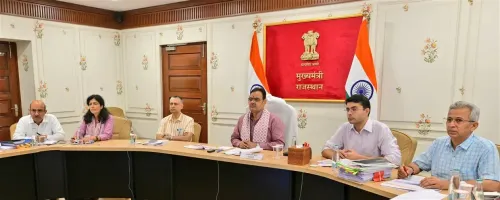
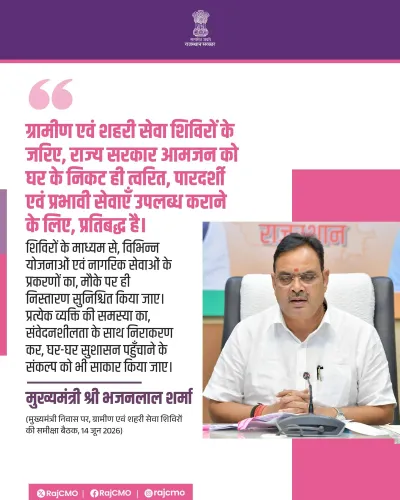
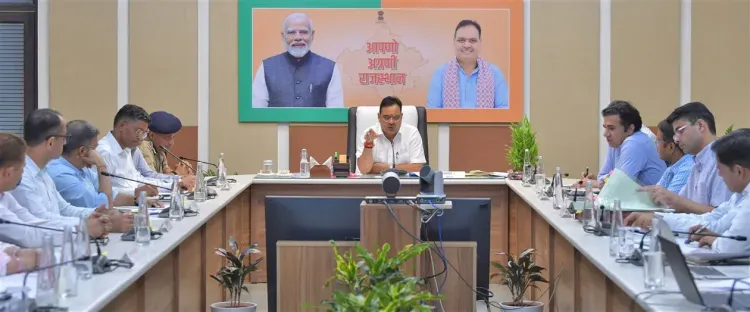
CM Bhajanlal Sharma chaired a review meeting at the Chief Minister's Residence on June 14, 2026 to assess rural and urban service camps.
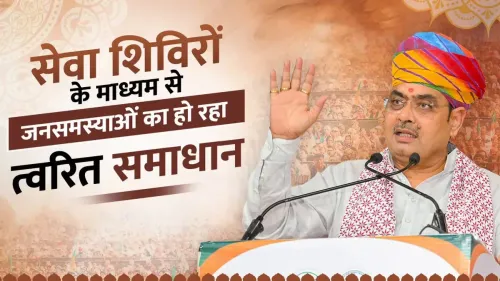
Officials were directed to treat the camps as a grand campaign for service and resolution , prioritising electricity, water, and healthcare cases.
District Collectors were tasked with regular monitoring of camps and swift action on encroachment-related complaints.
The government ordered wide publicity of beneficiary success stories to boost public awareness and confidence.
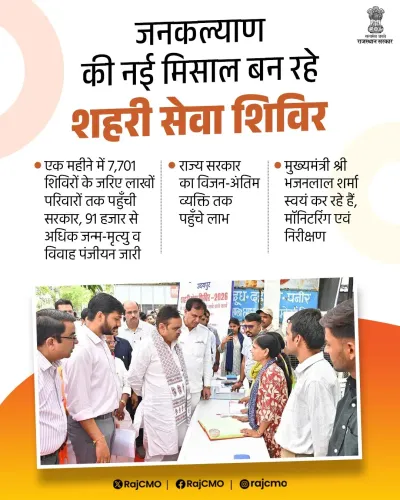
The initiative is anchored in the administration's pledge of ghar-ghar sushasan — doorstep good governance for every household in Rajasthan.
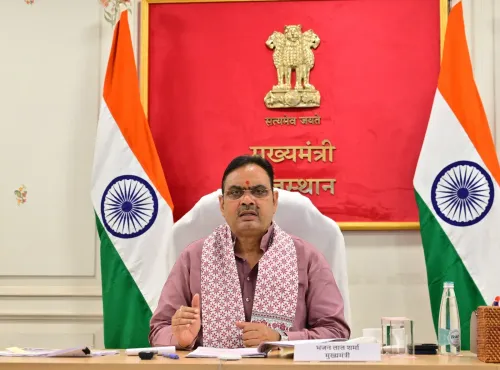
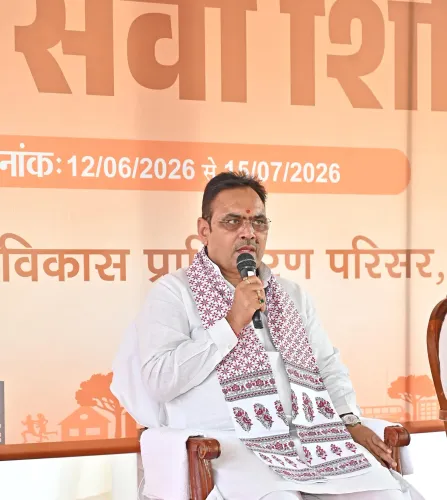
Chief Minister Bhajanlal Sharma chaired a review meeting at the Chief Minister's Residence on Sunday, June 14, 2026, directing officials to transform rural and urban service camps into a large-scale campaign for relief and resolution for ordinary citizens across Rajasthan.
Context
The Chief Minister's Office shared that Sharma instructed officers to ensure the camps function as a 'seva evam samadhan ka maha-abhiyan' (grand campaign for service and resolution), with priority given to resolving cases related to electricity, water, and healthcare. He emphasised that every individual's problem must be addressed with sensitivity to fulfil the government's pledge of 'ghar-ghar sushasan' — bringing good governance to every household.
The Chief Minister also directed District Collectors to conduct regular monitoring of the camps, take swift action on encroachment-related complaints, and ensure wide publicity of beneficiary success stories to build public confidence in the initiative.
Policy Backdrop
The BJP government in Rajasthan, which took office in December 2023, outlined doorstep governance and time-bound grievance resolution as central administrative priorities from its earliest days. Service camps of this kind are a well-established mechanism in the state, complementing digital platforms that allow citizens to register complaints and track their status.
Across BJP-ruled states since 2023, periodic review meetings on public grievance camps have become a visible administrative pattern, aimed at improving last-mile delivery of utilities and social services. Rajasthan has historically used such mechanisms to address citizen complaints at the block and district level.
Stakeholders and Impact
The directive directly affects rural and urban residents across Rajasthan who use these camps to resolve pending issues with electricity connections, water supply, and access to medical services — areas that generate the highest volume of public complaints. District Collectors bear the primary responsibility for execution and will be accountable for monitoring outcomes and reporting progress.
The instruction to widely publicise beneficiary success stories signals that the government intends to use the campaign for both administrative accountability and public outreach, ensuring citizens are aware of the redressal channels available to them.
What's Next
Quarterly performance reports from District Collectors on camp disposal rates and grievance resolution timelines will be a key indicator of whether the directive translates into measurable improvement. Follow-up review meetings at the Chief Minister level are expected to track progress and identify districts that require additional administrative attention.
The broader 'Aapno Agraṇī Rājasthān' (Our Foremost Rajasthan) vision articulated by the government will be tested against on-the-ground delivery, with the success of these camps serving as an early benchmark for the administration's governance record ahead of future electoral cycles.
Point of View
Using District Collectors as the primary lever for last-mile delivery. Directing the publicity of success stories alongside administrative monitoring suggests a dual strategy: improving service outcomes while building a visible governance narrative ahead of future electoral cycles. Across BJP-ruled states, such periodic high-visibility review meetings have become a standard template for demonstrating administrative responsiveness, and Rajasthan is aligning with that pattern. The real test will be whether disposal rates at the camp level improve measurably in quarterly reviews.
NationPress
13 Sept 2026
Frequently Asked Questions
What are the rural and urban service camps in Rajasthan?
These are government-organised camps held across Rajasthan where citizens can register and resolve complaints related to public services such as electricity, water supply, healthcare, and encroachment issues directly with officials.
What did CM Bhajanlal Sharma instruct at the June 2026 review meeting?
He directed officials to prioritise electricity, water, and healthcare grievances, ensure sensitive resolution of every complaint, order District Collectors to monitor camps regularly, act swiftly on encroachment complaints, and widely publicise beneficiary success stories.
What is the 'ghar-ghar sushasan' pledge in Rajasthan?
'Ghar-ghar sushasan' means 'good governance at every household' and is a commitment made by the Bhajanlal Sharma government to ensure that citizens receive government services and grievance redressal at their doorstep rather than having to navigate bureaucratic processes.
What is the role of District Collectors in Rajasthan's service camps?
District Collectors are the senior administrative officers responsible for implementing state directives, monitoring the functioning of service camps in their districts, ensuring timely grievance disposal, and reporting outcomes to the state government.
What is the 'Aapno Agraṇī Rājasthān' vision?
It is the overarching governance vision of the Rajasthan government meaning 'Our Foremost Rajasthan,' used as a hashtag and policy framing to describe the administration's ambition to make Rajasthan a leading state in development and public service delivery.