Rajasthan CM extends service camps to Aug 31, orders clearance of pending cases
Synopsis
Rajasthan CM Bhajanlal Sharma has extended the state's Rural and Urban Service Camps through 31 August and ordered officials to document every delay — a rare accountability move. With over 19,000 camps already held and 25 lakh health check-ups delivered since June 12, the numbers are large; the question is whether the paperwork trail will outlast the political calendar.
Key Takeaways
Rajasthan CM Bhajanlal Sharma extended Rural and Urban Service Camps to 31 August 2025 at the seventh Raj Unnati review meeting on 20 July .
Officials directed to clear all backlogged cases and document reasons for any delays in writing.
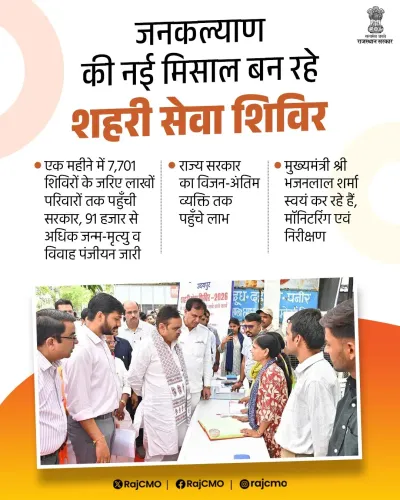
More than 19,000 camps held since 12 June ; over 42,000 land lease deeds and 41,000 electricity connections delivered in urban areas.
Rural camps resolved over 1.97 lakh land mutation cases and nearly 48,000 boundary demarcation cases .
More than 25 lakh people received health check-ups; over 11 lakh underwent TB screening.
Around 2 lakh farmers registered under the Farmer Registry initiative during the campaign.
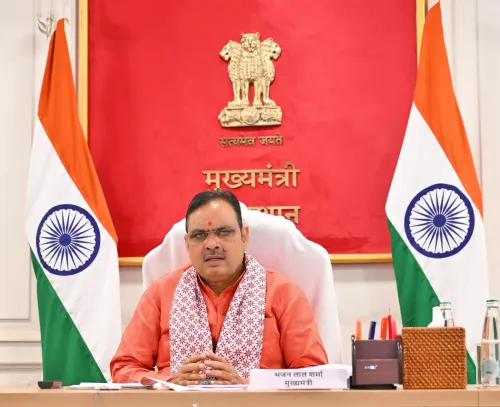
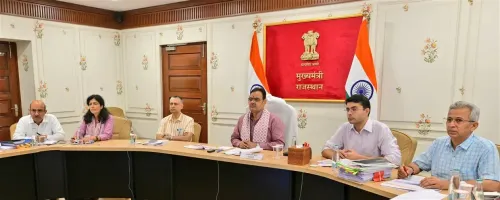
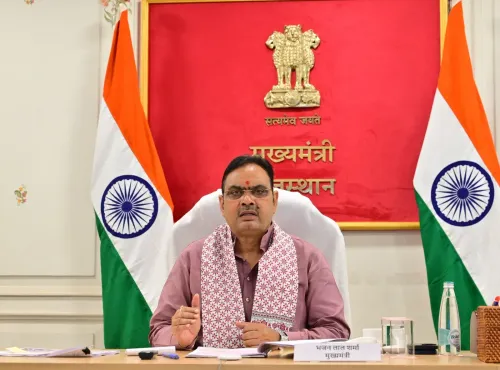
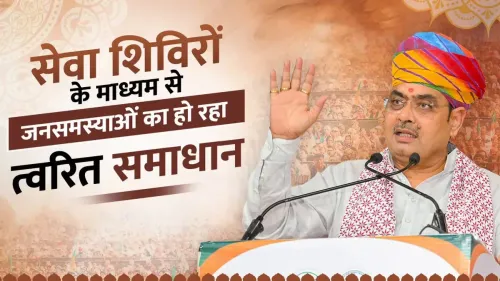
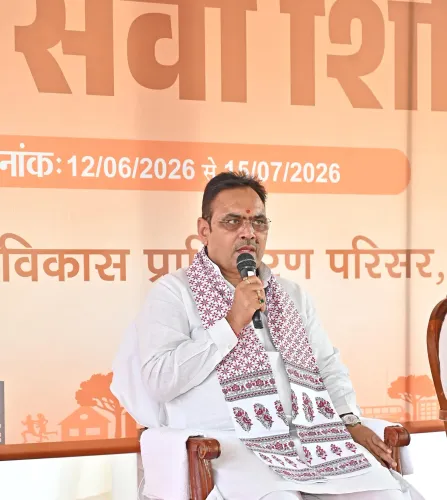
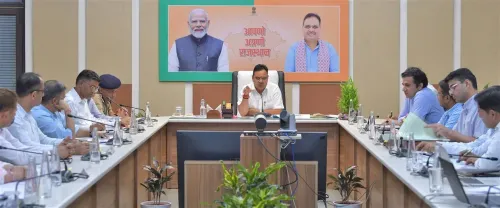
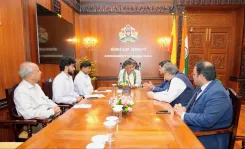
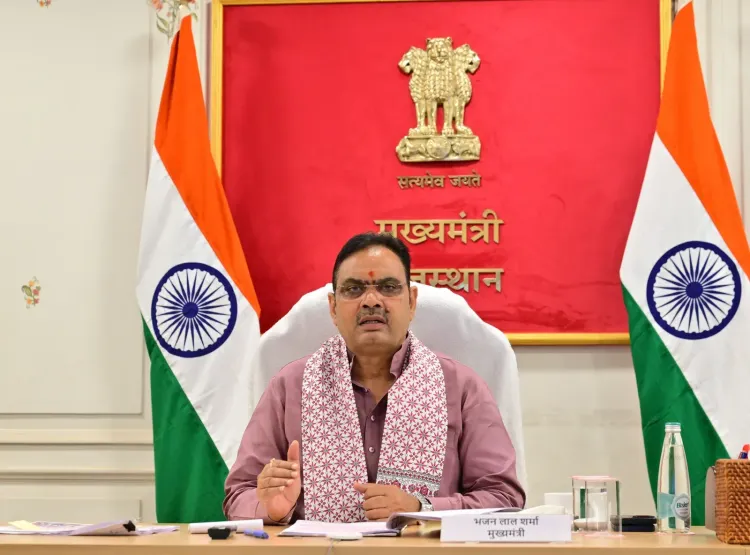
Rajasthan Chief Minister Bhajanlal Sharma on Monday, 20 July directed district collectors and departmental officials to clear all backlogged public cases at the earliest, while announcing an extension of the state's Rural and Urban Service Camps through 31 August 2025. The decision, taken at the seventh Raj Unnati review meeting at the Chief Minister's Office in Jaipur, comes in response to what officials described as an overwhelming public uptake of the initiative.
Key Directives from the CM
Chief Minister Sharma instructed officials that any work left incomplete must have its reasons clearly documented — a move aimed at creating an accountability trail across departments. He called for all departments to coordinate closely to ensure timely disposal of public grievances, with particular emphasis on resolving disputes related to access roads and encroachments on a priority basis.
He also directed field staff to maintain detailed records of beneficiaries, including mobile numbers, and to capture citizens' experiences and feedback at the camps. Suggestions from ground-level officers to improve camp efficiency were specifically solicited.
Scale of the Campaign So Far
Since the camps began on 12 June, more than 19,000 camps have been organised across Rajasthan. The numbers reflect a broad-based service delivery push: Urban Service Camps alone have issued over 42,000 land lease deeds (pattas), disposed of more than 13,000 mutation cases, completed over 1 lakh birth, death, and marriage registrations, and processed more than 18,000 PM SVANidhi loan applications. Over 41,000 electricity connections have been provided, and more than 22,000 new streetlights installed.
Rural Service Camps have resolved over 1.97 lakh land mutation cases, nearly 48,000 boundary demarcation (patthargarhi) cases, more than 27,000 land partition cases by mutual consent, and over 18,000 right-of-way and access road disputes. Around 2 lakh farmers have also been registered under the Farmer Registry initiative.
Health and Social Welfare Outcomes
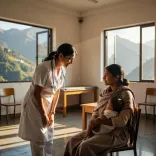
The camps have generated significant health outcomes. More than 25 lakh people have received health check-ups and treatment, over 11 lakh individuals have undergone TB screening, and more than 4.5 lakh women have been screened for oral, breast, and cervical cancers. Additionally, over 3 lakh policies under the Mukhyamantri Mangala Pashu Bima Yojana and more than 48,000 policies under the Pradhan Mantri Fasal Bima Yojana have been distributed.
Thousands of pending cases relating to social security pensions, Jan Dhan Yojana, and Jan Aadhaar have also been resolved during the campaign period.
What the Extension Signals
The decision to run the camps until 31 August — originally conceived as a time-bound outreach — suggests the state government views the initiative as a viable alternative to conventional single-window service counters. By bringing multiple government services under one roof at the local level, the camps align with the Antyodaya principle of reaching the most marginalised citizens first. Whether the momentum can be sustained through August, and whether case-clearance targets translate into durable service improvements, will be closely watched.
Point of View
In principle, be used for accountability. But Rajasthan has a pattern of high-visibility outreach drives that generate impressive headline numbers without translating into lasting administrative reform. The real test will be whether the beneficiary records and delay documentation survive the camp cycle and feed into systemic process changes, or simply become archival data. With assembly session optics always in play, the August 31 deadline is also politically convenient.
NationPress
19 Oct 2026
Frequently Asked Questions
Why has Rajasthan extended the Rural and Urban Service Camps to 31 August?
Chief Minister Bhajanlal Sharma extended the camps due to their strong public response and scale of delivery since 12 June. The extension aims to clear remaining backlogged cases and reach more beneficiaries before the deadline.
What services are provided at Rajasthan's Rural and Urban Service Camps?
The camps offer a wide range of services under one roof, including land mutation, lease deed issuance, electricity connections, health check-ups, TB and cancer screening, social security pension resolution, Jan Dhan and Jan Aadhaar case clearance, and farmer registration.
How many camps have been held in Rajasthan since June 2025?
More than 19,000 camps have been organised across Rajasthan since 12 June 2025, covering both rural and urban areas.
What did CM Bhajanlal Sharma instruct officials at the Raj Unnati review meeting?
He directed district collectors and departmental officials to clear all pending cases at the earliest, document reasons for any delays in writing, maintain detailed beneficiary records including mobile numbers, and prioritise resolution of access road and encroachment disputes.
What health outcomes have the service camps delivered so far?
More than 25 lakh people have received health check-ups and treatment, over 11 lakh have undergone TB screening, and more than 4.5 lakh women have been screened for oral, breast, and cervical cancers since the camps began on 12 June.