HP CMO: All of Shahpur United Against Chitta at Anti-Drug Rally
Synopsis
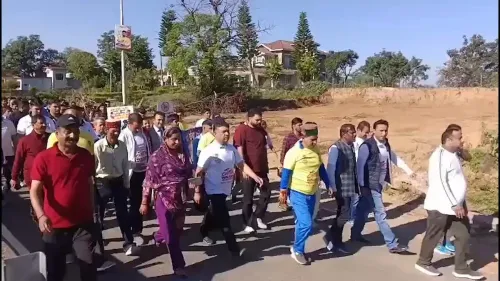
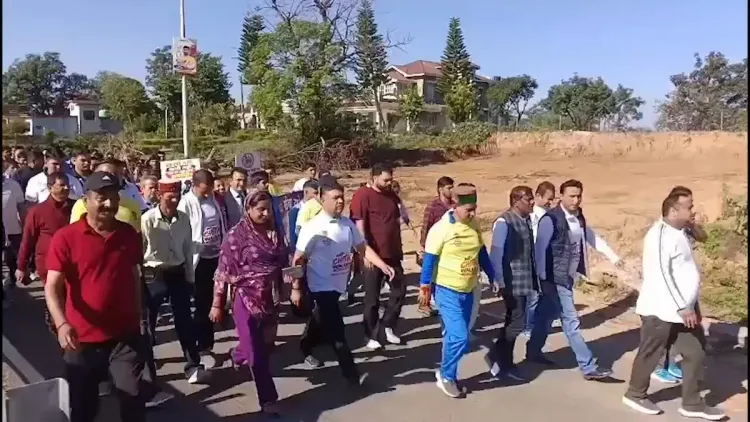
The Chief Minister's Office of Himachal Pradesh declared Shahpur united against chitta after an Anti-Chitta Rally on 19 October 2026, citing strong participation from youth and residents, and warning that society's future depends on protecting its young.
Key Takeaways
The Chief Minister's Office of Himachal Pradesh declared all of Shahpur united against chitta following a community Anti-Chitta Rally on 19 October 2026 .
Chitta is a colloquial term for white heroin and synthetic opioids that have severely impacted youth across northern India, including Himachal Pradesh.
Shahpur is a Vidhan Sabha constituency in Kangra district , located on trafficking corridors between the plains and the Himalayan valleys.
The CMO's statement highlighted participation by both youth and ordinary residents — framing community mobilisation, not just enforcement, as central to the fight.
Himachal Pradesh and Punjab have faced persistent synthetic drug challenges for over a decade, with state administrations running recurring awareness and de-addiction campaigns.
Attention now turns to potential follow-up measures such as de-addiction centres, enforcement drives, and school-level outreach in the region.
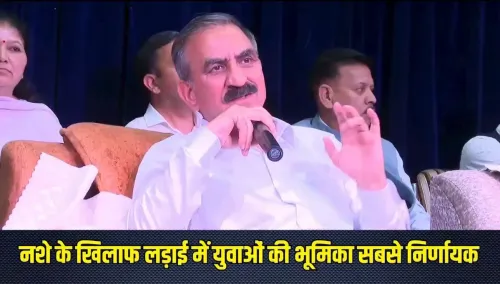
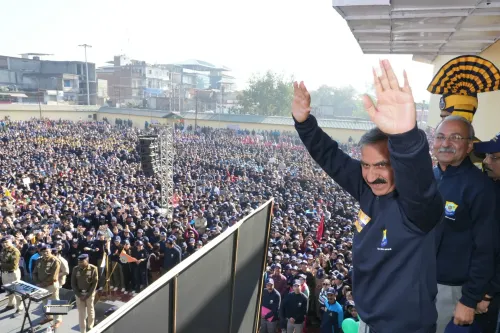
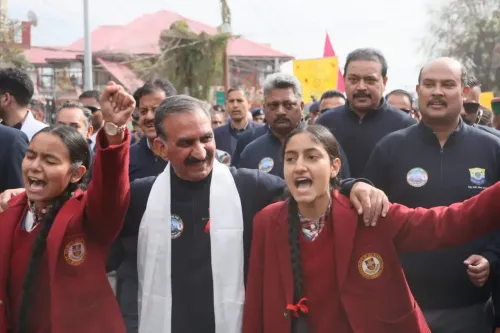
An entire town is drawing a line. The Chief Minister's Office of Himachal Pradesh declared on Monday, 19 October 2026 that Shahpur has closed ranks against chitta — the street name for white heroin and synthetic opioids that have carved a trail of destruction across northern India — after witnessing mass youth and community participation at an Anti-Chitta Rally in the town.
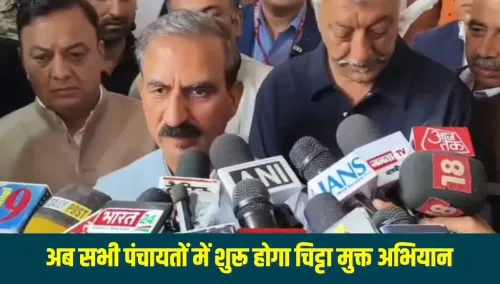
The post, shared in Hindi, captured the sentiment of the moment directly: 'एंटी-चिट्टा रैली के दौरान युवाओं और आम लोगों की भागीदारी देखकर यह कह सकता हूँ कि चिट्टे के खिलाफ पूरा शाहपुर एकजुट है।' ('Seeing the participation of youth and ordinary people during the Anti-Chitta Rally, I can say that all of Shahpur is united against chitta.') The message closed with a pointed assertion: 'The future of youth will be saved, only then will the future of society be bright.'
Why Shahpur, Why Now
Shahpur is a Vidhan Sabha constituency in Kangra district, nestled in the mid-hills of Himachal Pradesh. Like much of the state, it sits on trafficking corridors that connect the plains of Punjab to the higher Himalayan valleys — a geography that has made synthetic drug penetration a stubborn and worsening problem. Chitta, in particular, has moved fast through younger demographics in small towns and villages, where economic precarity and limited recreational infrastructure leave youth exposed.
Himachal Pradesh has long grappled with this crisis alongside neighbouring Punjab, which has made drug abuse a defining political and social issue for over a decade. State administrations in both states have cycled through enforcement crackdowns, de-addiction drives, and community awareness campaigns — with mixed results. The Anti-Chitta Rally in Shahpur fits squarely into this broader pattern of mobilising public sentiment as a first line of social defence.
The Power of Community Mobilisation
What makes the CMO's framing notable is the deliberate emphasis on ordinary residents and youth as the rally's moral centre — not police, not officials, but the community itself. Public rallies of this kind serve a dual function: they signal state commitment to the issue and, crucially, reduce the social stigma that often prevents families from reporting drug abuse or seeking help for addicted members.
When a government office publicly declares that 'all of Shahpur is united,' it is also sending a message to traffickers and dealers that community tolerance has run out. Social pressure, researchers on drug policy have noted, can be as effective as enforcement in shrinking the market for narcotics at the local level.
The spotlight now shifts to what follows the rally — whether the momentum in Shahpur translates into concrete infrastructure: additional de-addiction beds, school-level awareness programmes, or fast-tracked enforcement action against supply networks in Kangra district. A rally can light the fire. The harder work comes next.
Point of View
Rally optics alone rarely move the needle on deeply entrenched narcotics networks; the real test will be whether this public moment is followed by measurable institutional investment in de-addiction and supply-chain disruption. If it is, Shahpur could become a template; if not, it joins a long line of well-meaning gestures that the crisis has already outlasted.
NationPress
19 Oct 2026
Frequently Asked Questions
What is chitta and why is it a problem in Himachal Pradesh?
Chitta is a street term for white heroin or synthetic opioids. It has become a serious drug abuse crisis in Himachal Pradesh and Punjab, particularly affecting youth in small towns and villages along trafficking corridors connecting the plains to the Himalayan region.
What happened at the Anti-Chitta Rally in Shahpur?
The Chief Minister's Office of Himachal Pradesh reported that the Anti-Chitta Rally in Shahpur on 19 October 2026 drew strong participation from youth and ordinary residents, leading the CMO to declare that all of Shahpur is united against chitta.
Where is Shahpur located in Himachal Pradesh?
Shahpur is a town and Vidhan Sabha constituency in Kangra district of Himachal Pradesh, situated in the mid-hills on routes that connect the northern plains to the higher Himalayan valleys.
What steps is the Himachal Pradesh government taking against drug abuse?
The state government has been conducting public awareness rallies, community mobilisation drives, and is expected to announce follow-up measures such as de-addiction centres and enforcement drives. The Anti-Chitta Rally in Shahpur is part of this ongoing effort.
Why are community rallies important in the fight against drugs?
Community rallies reduce the social stigma around drug abuse, encourage families to report addiction, and signal to traffickers that local tolerance has ended. Drug policy experts note that social pressure at the community level can complement enforcement in shrinking local drug markets.