CM Bhupendra Patel Backs 100-Week Anti-Drug Drive for Gujarat Youth
Synopsis
Gujarat Chief Minister Bhupendra Patel has pledged state-wide participation in a 100-week Sunday campaign combining anti-drug messaging, sports, and fitness activities, aligning with PM Modi's Nasha Mukt Bharat Abhiyan and the Viksit Bharat @2047 vision for a drug-free, development-ready youth.
Key Takeaways
Gujarat CM Bhupendra Patel announced full state commitment to an anti-drug and fitness campaign on 2 August 2026 .
The campaign will hold community events every Sunday for 100 consecutive weeks at multiple locations across Gujarat.
Activities include sports, fitness drives, and positive community engagement aimed at youth awareness.
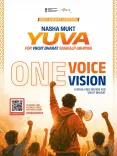
The drive is anchored in the national Nasha Mukt Bharat Abhiyan , launched in August 2020 by the Ministry of Social Justice and Empowerment.
The initiative is framed as Gujarat's contribution to PM Modi's Viksit Bharat @2047 goal of making India a developed nation by its independence centenary.
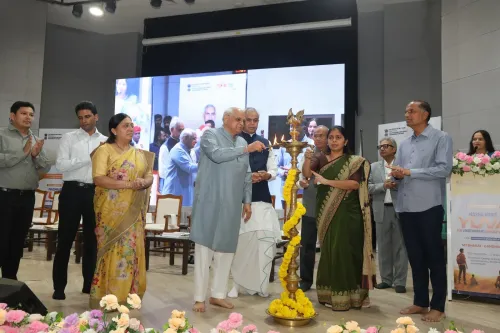
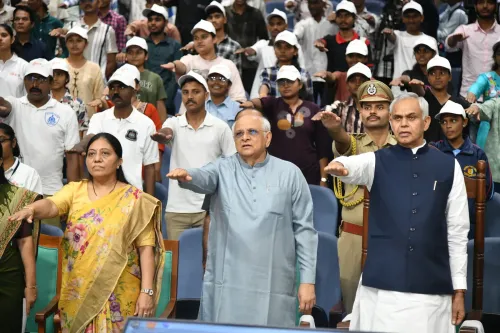
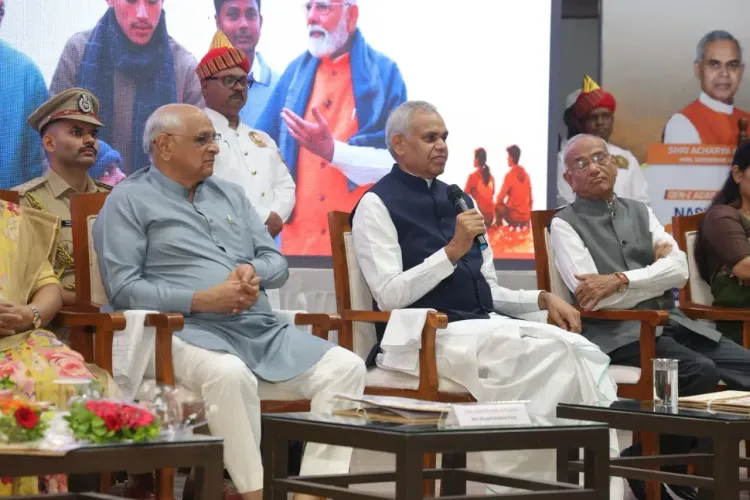
A drug-free generation is Gujarat's pledge to Prime Minister Narendra Modi's Viksit Bharat @2047 vision — and Gujarat Chief Minister Bhupendra Patel made that commitment explicit on Sunday, 2 August 2026, throwing the state's full weight behind a national campaign that will run every Sunday for the next 100 weeks.
What Gujarat Is Committing To
Posting in Gujarati, CM Patel wrote: 'નશામુક્ત યુવા ફોર વિકસિત ભારત' — 'Drug-free youth for a developed India.' The message frames physical and mental fitness as non-negotiable preconditions for nation-building, arguing that only a healthy youth can contribute meaningfully to India's development goals.
Under the campaign, sports, fitness, and positive community activities will be organised at multiple locations across Gujarat every Sunday through the 100-week run. The initiative is designed to spread awareness through mass public participation rather than top-down enforcement.
The National Scheme Behind the State Push
The drive plugs into the Nasha Mukt Bharat Abhiyan, the national anti-drug campaign launched in August 2020 by the Ministry of Social Justice and Empowerment. That scheme targets substance-abuse awareness, prevention, and rehabilitation — with a deliberate focus on youth. It runs alongside the Fit India Movement, launched in August 2019, which promotes physical activity and sports across age groups. Gujarat's 100-week calendar effectively fuses both frameworks into a single, sustained state-level programme.
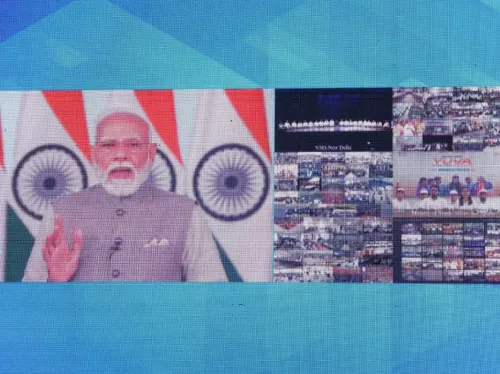
CM Patel credited PM Modi's 'inspiring address' with giving the country's youth 'new energy and motivation' to adopt a healthy, responsible, and dignified lifestyle — and declared that Gujarat is 'fully committed' to carrying that call forward.
Gujarat's Role in the Viksit Bharat Playbook
This announcement follows a visible pattern: BJP-governed states have increasingly used the Viksit Bharat @2047 framework — India's stated goal of becoming a developed nation by the centenary of independence — as an umbrella narrative to align state social campaigns with central priorities. For Gujarat, the 100-week Sunday schedule represents one of the more structured, long-horizon commitments made under that banner so far.
The weeks ahead will test whether the ambition translates into measurable participation — district-level turnout figures and partnerships with local bodies will be the first real indicators of reach.
Gujarat has set a 100-week clock. The question now is how many young lives it moves before the final Sunday arrives.
Point of View
Long-horizon commitment, CM Patel signals that Gujarat intends to be a model implementer of central welfare mandates, not merely a passive recipient. The youth-focus is strategically significant: India's median age sits below 30, and the party that owns the 'healthy, productive young India' story gains durable electoral ground. Watch whether the Sunday events generate genuine grassroots momentum or remain largely ceremonial — that distinction will determine whether this becomes a replicable BJP-state template.
NationPress
2 Aug 2026
Frequently Asked Questions
What is the Nasha Mukt Bharat Abhiyan?
The Nasha Mukt Bharat Abhiyan is a national anti-drug campaign launched in August 2020 by India's Ministry of Social Justice and Empowerment, focused on awareness, prevention, and rehabilitation of substance abuse, with a special emphasis on youth.
What did Gujarat CM Bhupendra Patel announce on 2 August 2026?
CM Bhupendra Patel announced Gujarat's full commitment to a 100-week campaign of Sunday community events featuring sports, fitness, and awareness activities aimed at making Gujarat's youth drug-free.
What is Viksit Bharat 2047?
Viksit Bharat @2047 is Prime Minister Narendra Modi's vision for India to become a fully developed nation by 2047 , marking the centenary of Indian independence, with youth empowerment as a central pillar.
How long will Gujarat's anti-drug Sunday campaign run?
The campaign is scheduled to run for 100 consecutive Sundays , with sports, fitness, and positive community activities organised at various locations across Gujarat to build youth awareness against drug abuse.
What is the Fit India Movement and how does it relate to this campaign?
The Fit India Movement was launched in August 2019 to promote physical activity and sports among all age groups. Gujarat's 100-week campaign effectively combines this fitness push with the anti-drug Nasha Mukt Bharat Abhiyan under a single community programme.