CM Bhupendra Patel Engages Bhavnagar Youth on Dholera Jobs
Synopsis
Gujarat Chief Minister Bhupendra Patel held a youth dialogue at Maharaja Krishnakumarsinhji Bhavnagar University under Seva Sankalp Abhiyan, covering Dholera semiconductor employment, Viksit Bharat, modern farming, yoga, and sports development with energetic student participants.
Key Takeaways
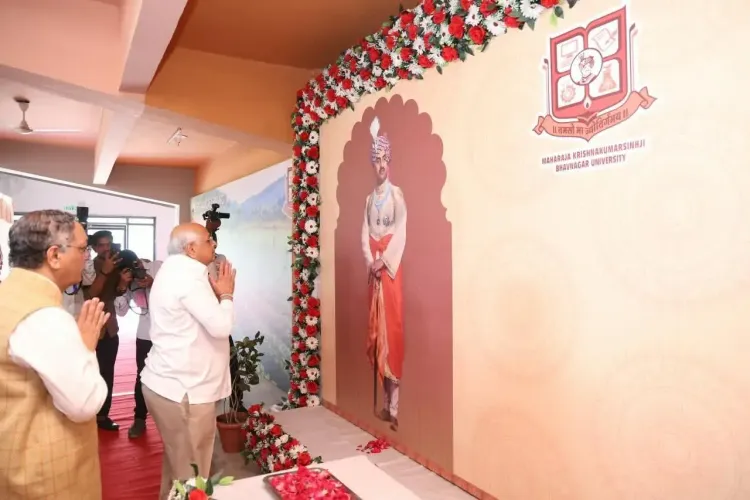
CM Bhupendra Patel addressed students at Maharaja Krishnakumarsinhji Bhavnagar University on 25 September 2026 under the Seva Sankalp Abhiyan campaign.
Discussion topics included semiconductor employment opportunities at Dholera Special Investment Region , Gujarat's development vision, and the Viksit Bharat 2047 goal.
Patel also spoke on value addition in modern and natural farming, yoga for mental and physical health, and sports development.
The CM committed the Gujarat government to continuously providing youth with guidance, skills, and quality opportunities.
India's Semiconductor Mission (launched 2021 ) and Gujarat's active courting of chip-sector investment underpin the Dholera jobs narrative being pitched to students.
The campus session is part of a broader pattern of direct CM-level university engagements linking student aspirations to Gujarat's industrial corridor strategy.
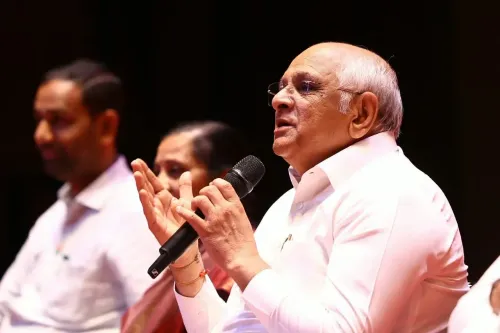
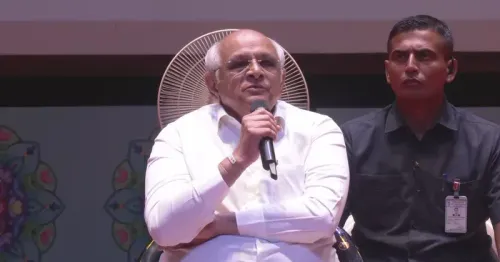
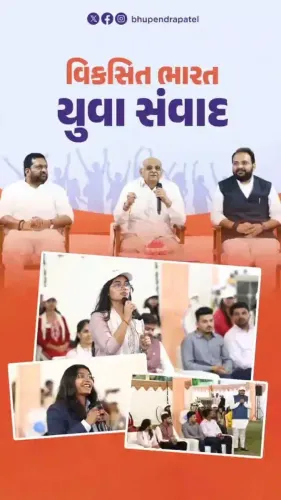
A university campus in Bhavnagar became a live policy conversation on Friday, 25 September 2026, when Gujarat Chief Minister Bhupendra Patel sat down with students at Maharaja Krishnakumarsinhji Bhavnagar University under the state's Seva Sankalp Abhiyan — mapping semiconductor ambitions, modern farming, and youth mental wellness all in one candid exchange.
What the CM put on the table at Bhavnagar University
Patel described the session as 'khub ja harshpurna' (deeply joyful), sharing his thoughts across a wide canvas: the role of youth in building a Viksit Bharat (Developed India) by 2047, Gujarat's broader development vision, emerging employment opportunities in the semiconductor sector at Dholera, value addition in modern and natural farming, the importance of yoga for mental and physical health, and sports development. The breadth signals that the CM is using campus visits not as ceremonial drop-ins but as structured vision-sharing exercises.
He noted that students' questions, curiosity, and enthusiasm for contributing to national and state development were 'truly praiseworthy.' That two-way dynamic — a chief minister fielding real questions from undergraduates — is itself the point of Seva Sankalp Abhiyan.
Dholera's semiconductor promise and what it means for Gujarat students
Dholera Special Investment Region, notified in the early 2010s as Gujarat's flagship integrated smart-city and industrial corridor project, has been repositioned in recent years as the state's front-line play in India's semiconductor race. India's Semiconductor Mission, launched in 2021, offers fiscal incentives for chip fabrication and assembly units, and Gujarat has actively courted anchor investments. For the engineering and science students in Bhavnagar's classrooms, Dholera represents a tangible near-future employment horizon — one the CM is now explicitly naming in youth dialogues.
Gujarat's skill and youth policy framework, iterated since 2016, has emphasised vocational training and industry-aligned job creation. Patel's reiteration at a university campus threads those existing programmes into the higher-stakes semiconductor narrative.
Seva Sankalp Abhiyan's campus-to-corridor strategy
The Seva Sankalp Abhiyan is a Gujarat government campaign designed around direct public dialogue — gathering feedback on service delivery while simultaneously engaging citizens, and particularly young people, on development priorities. Holding a session at Maharaja Krishnakumarsinhji Bhavnagar University (established 1978) places the campaign inside an institution with deep regional identity, amplifying local resonance.
Patel closed with a commitment: the Gujarat government remains 'continuously dedicated' to providing young people with proper guidance, skills, and excellent opportunities to realise their dreams. In his framing, today's students — 'overflowing with new energy, self-confidence, and positive thinking' — are the builders of tomorrow's prosperous and developed India.
The state's pattern of direct CM-level campus engagement, paired with industrial corridor messaging, is now consistent enough to read as deliberate strategy. Watch whether subsequent Seva Sankalp Abhiyan stops translate student conversations into concrete skilling tie-ups with Dholera-bound investors — that is where the rhetoric either earns its credibility or doesn't.
Point of View
The CM is converting a policy pipeline into a personal promise, raising the accountability stakes if investment timelines slip. The Seva Sankalp Abhiyan's campus-to-corridor model mirrors BJP's broader 'aspirational India' communication strategy, where development optics and ground-level dialogue reinforce each other. How quickly Dholera translates into actual employment will determine whether this genre of outreach builds durable credibility or feeds cynicism among the very youth it targets.
NationPress
26 Sept 2026
Frequently Asked Questions
What is Seva Sankalp Abhiyan in Gujarat?
Seva Sankalp Abhiyan is a Gujarat government campaign focused on direct public dialogue, service delivery feedback, and youth engagement on state development themes, with Chief Minister Bhupendra Patel leading interactions at universities and community venues.
What are the job opportunities at Dholera for Gujarat youth?
Dholera Special Investment Region is being developed as a semiconductor and electronics manufacturing hub under India's Semiconductor Mission (2021), and is expected to generate new employment in chip fabrication, assembly, and related high-technology sectors — opportunities CM Patel highlighted directly to Bhavnagar University students.
What is Maharaja Krishnakumarsinhji Bhavnagar University?
Maharaja Krishnakumarsinhji Bhavnagar University is a public university in Bhavnagar, Gujarat, established in 1978, that hosts academic programmes and government outreach events including youth dialogues with senior state leaders.
What is Viksit Bharat and why does Gujarat CM reference it?
Viksit Bharat is the national vision for India to become a fully developed economy by 2047. Gujarat CM Bhupendra Patel regularly references it in youth interactions to frame state-level programmes — including Dholera and skilling initiatives — as building blocks of that larger national goal.
What topics did CM Bhupendra Patel discuss with Bhavnagar students?
CM Patel discussed youth's role in building Viksit Bharat, Gujarat's development vision, semiconductor job opportunities at Dholera, value addition in modern and natural farming, yoga for mental and physical health, and sports development during the Seva Sankalp Abhiyan session at Bhavnagar University.