Nagaland Governor: Naga heritage must include traditional knowledge, not just objects
Synopsis
Nagaland Governor Nand Kishore Yadav used the launch of two landmark publications at NEZCC Chumoukedima to make a pointed argument: Naga heritage cannot be preserved in glass cases alone. Traditional knowledge — on agriculture, textiles, forests and rituals — must be documented with community dignity and intellectual rights intact, before its practitioners are gone.
Key Takeaways
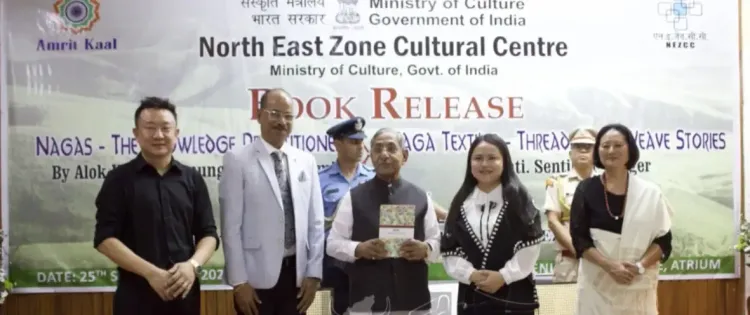
Nagaland Governor Nand Kishore Yadav released two books on Naga culture at the NEZCC Headquarters, Chumoukedima on 26 September 2025 .
The books are 'Nagas: The Knowledge Practitioners' (by Alok Kumar Kanungo and Alino Sumi) and 'Nagaland Textiles — Threads That Weave Stories' (by Sentila T.
Governor Yadav argued that indigenous knowledge must not be treated as mere folklore but as a living system of observation, experience and adaptation .
He called for village-level documentation of traditional knowledge before it is lost with the passing of elder practitioners.
Documentation must respect community identity, ownership, dignity and intellectual rights , the Governor stressed.
NEZCC Director Alobo Naga said the Centre is actively supporting documentation of folk practices, indigenous art forms and traditional knowledge across the Northeast.
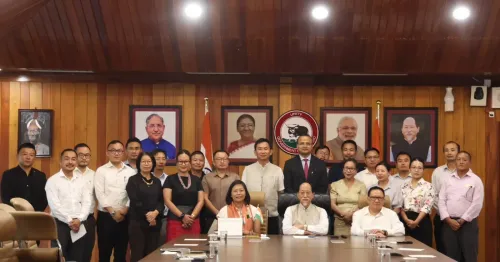
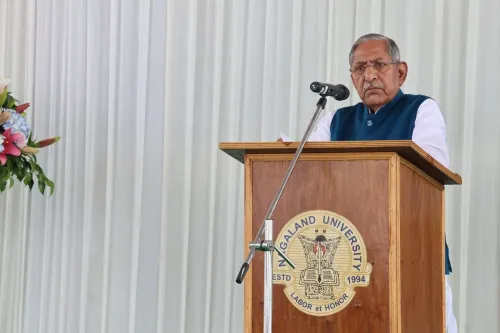
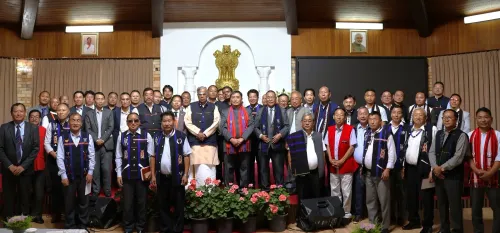
Nagaland Governor Nand Kishore Yadav on Friday, 26 September 2025, called for a broader definition of Naga heritage preservation — one that extends beyond safeguarding physical artefacts to include the living body of traditional knowledge and cultural practices passed down through generations. He made the remarks at the North Eastern Zonal Cultural Centre (NEZCC) Headquarters in Chumoukedima, Nagaland, during the release of two significant publications on Naga culture and textiles.
Two Books, One Cultural Mission
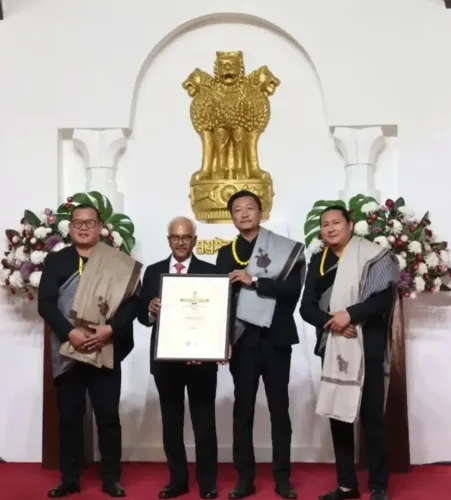
Governor Yadav, who also serves as Chairman of the NEZCC, released 'Nagas: The Knowledge Practitioners', authored by Alok Kumar Kanungo and Alino Sumi, and 'Nagaland Textiles — Threads That Weave Stories', authored by Sentila T. Yanger. Though the two publications address distinct subjects, the Governor noted that both brought the rich cultural heritage and knowledge traditions of the Naga people into academic and public focus.
He said both works conveyed a shared message: that culture is not a static relic but 'a body of knowledge created, practised, refined and transmitted across generations.'
Indigenous Knowledge Is Not Mere Folklore
Speaking on 'Nagas: The Knowledge Practitioners', Governor Yadav stressed that indigenous knowledge should not be reduced to folklore. He argued it represents systems developed through observation, experience, experimentation and adaptation — encompassing agriculture, crafts, technologies, forest management, rituals, and material culture.
He warned that technological advancement must not lead to what he called 'cultural amnesia', encouraging younger Naga generations to embrace modern education and technology while simultaneously grounding themselves in their communities' traditional knowledge systems.
Naga Shawls as Living Knowledge
Turning to the textiles publication, the Governor said Naga shawls are far more than fabric — they carry identity, memory, social meaning and artistic expression. He noted that the colours, patterns, motifs and weaving techniques embedded in Naga textiles reflect knowledge traditions developed across distinct communities over centuries.
This is particularly significant at a time when handloom traditions across the Northeast face pressure from mass-produced alternatives and declining intergenerational transmission of craft skills.
Call for Documentation With Dignity
Governor Yadav underlined the urgency of documenting indigenous knowledge before it is lost with the passing of its practitioners. He called for documentation that is sensitive to the communities involved, with due recognition of their identity, ownership, dignity and intellectual rights.
He urged educational institutions in Nagaland to make greater use of such publications and called on young Naga scholars to undertake research across languages, oral traditions, architecture, traditional medicine, music, craftsmanship and customary institutions. He specifically stressed village-level documentation as a priority.
NEZCC's Role in Cultural Continuity
NEZCC Director Alobo Naga said the Centre has been actively supporting scholars, artists and cultural practitioners in documenting traditional knowledge, folk practices and indigenous art forms. He added that such efforts help preserve aspects of Naga cultural identity and ensure their transmission to future generations.
The Governor also noted that traditional knowledge systems hold direct relevance to contemporary challenges, including climate change, biodiversity conservation, sustainable agriculture, and the responsible use of natural resources — areas where indigenous practice often predates and complements modern science.
Point of View
While traditional ecological and craft knowledge remains largely unprotected and underdocumented. The Governor's call for community-sensitive documentation with intellectual rights recognition is a quiet but significant intervention, especially as Naga elders who hold this knowledge pass away without formal succession. The challenge is whether state institutions will move beyond appreciative speeches to fund structured, village-level documentation programmes.
NationPress
26 Sept 2026
Frequently Asked Questions
What did Nagaland Governor Nand Kishore Yadav say about Naga heritage preservation?
Governor Yadav said that preserving Naga heritage must go beyond safeguarding physical objects to include the traditional knowledge and cultural practices associated with them. He made this call at a book launch event at the NEZCC Headquarters in Chumoukedima on 26 September 2025.
Which books were released at the NEZCC event in Chumoukedima?
Two books were released: 'Nagas: The Knowledge Practitioners', authored by Alok Kumar Kanungo and Alino Sumi, and 'Nagaland Textiles — Threads That Weave Stories', authored by Sentila T. Yanger. Both focus on documenting and presenting aspects of Naga cultural heritage.
Why does the Governor consider indigenous Naga knowledge important today?
Governor Yadav argued that traditional Naga knowledge systems — covering agriculture, crafts, forests, rituals and natural resources — offer valuable insights into contemporary issues such as climate change, biodiversity conservation and sustainable agriculture. He cautioned that technological advancement must not lead to cultural amnesia.
What is the NEZCC and what role does it play in Naga culture?
The North Eastern Zonal Cultural Centre (NEZCC), headquartered in Chumoukedima, Nagaland, is chaired by the Nagaland Governor and works to support scholars, artists and cultural practitioners in documenting traditional knowledge, folk practices and indigenous art forms across the Northeast.
What specific actions did the Governor call for to preserve Naga traditions?
Governor Yadav called for village-level documentation of traditional knowledge before it is lost with elder practitioners, greater research by young Naga scholars across languages, oral traditions, medicine and textiles, and urged educational institutions to use the published resources. He stressed that all documentation must respect community identity, ownership and intellectual rights.