Nagaland Chief Minister Advocates for Naga Unity Across Borders for Sustainable Political Resolution
Synopsis
In a compelling address, Nagaland's CM Neiphiu Rio calls for a united Naga front, emphasizing political, cultural, and social unity as essential for resolving longstanding issues, despite the challenges of physical integration. This rallying cry highlights the importance of heritage and shared identity.
Key Takeaways
Unity in political, cultural, and social spheres is vital for resolving Naga issues.
Physical integration may not be feasible, but cultural bonds should be strengthened.
Tenyidie language promotion is crucial for identity preservation.
Youth engagement is essential in maintaining cultural heritage.
The Central Government recognizes the Naga identity through protective measures.
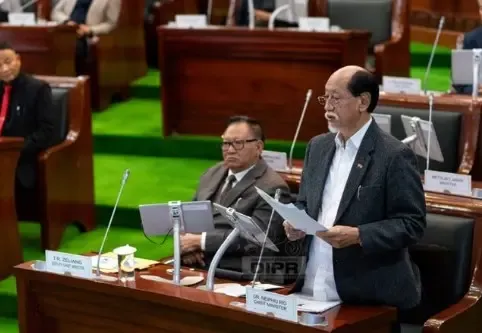
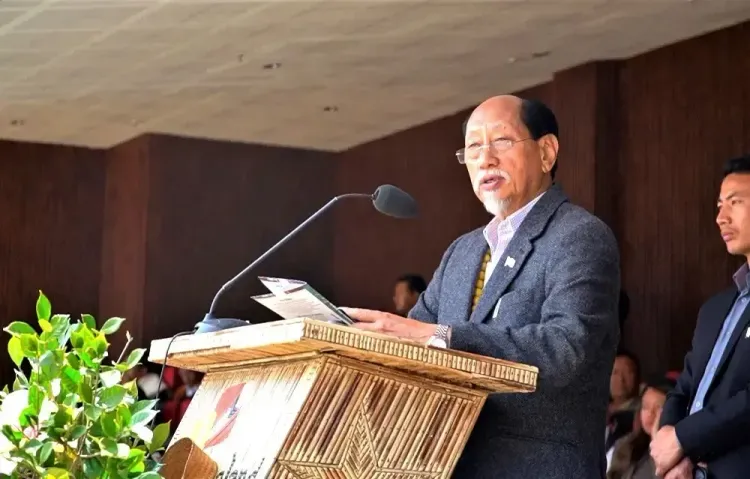
Kohima, March 25 (NationPress) The Chief Minister of Nagaland, Neiphiu Rio, highlighted on Wednesday that although the immediate physical integration of areas populated by the Naga community may not be feasible, establishing unity across political, cultural, and social dimensions is vital for addressing the enduring Naga dilemma.
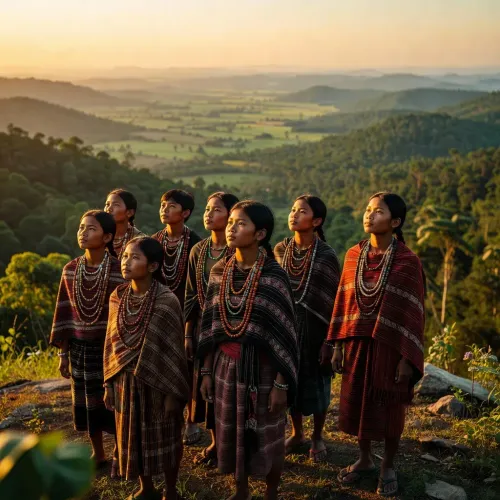
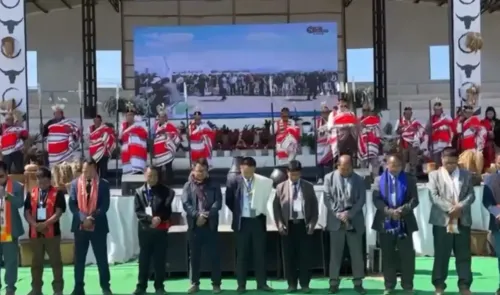
During his address at the Tenyimi Youth Cultural Festival held at the Naga Heritage Village in Kisama, near Kohima, Rio reiterated that integration remains a fundamental aspiration, with the Nagaland Assembly having endorsed this through multiple resolutions. He urged the Naga people to fortify their connections beyond geographical boundaries, advocating for a shared identity, traditions, and customary laws.
Rio stressed the significance of cultural unity, noting that groups like the Tenyimi, which traverse various regions and states, share a rich common heritage and values. He asserted that such unity can bolster the larger Naga identity and enhance its recognition.
The Chief Minister also pointed out the critical role of culture and language in maintaining identity. He advocated for the broader teaching of Tenyidie, proposing its incorporation into school syllabi, and praised the initiatives of organizations such as Ura Academy in promoting the language.
Encouraging young individuals to participate actively, Rio described the youth as the guardians of tradition, urging them to uphold cultural values while also acquiring skills and resilience for the future. He emphasized that shared traditions, customary laws, lifestyles, diets, and history weave the Naga people together and called for reconciliation and collaborative efforts to achieve a dignified and honorable resolution to the Naga political situation.
He acknowledged the Central Government's recognition of the unique identity of the Naga community, referring to protective measures like the Inner Line Permit (ILP) established under the Bengal Eastern Frontier Regulation of 1873 and Article 371A.
Deputy Chief Minister T.R. Zeliang expressed similar views, portraying the Tenyimi community as a closely-knit family with a shared lineage, culture, and traditions. He highlighted the significance of documentation and collective efforts in preserving their legacy.
The festival, organized by the Tenyimi Union Nagaland, celebrated traditional music, dance, and customs, reinforcing the theme of unity through cultural heritage.
Point of View
The call for unity by Nagaland's Chief Minister Neiphiu Rio reflects the deep-rooted desire for resolution in the ongoing Naga political discourse. It underscores the importance of cultural identity and shared values in fostering a cohesive community, which can pave the way for a sustainable political solution.
NationPress
2 Oct 2026
Frequently Asked Questions
What did Neiphiu Rio emphasize regarding Naga unity?
Neiphiu Rio emphasized the necessity of unity in political, cultural, and social spheres, despite challenges in physical integration of Naga-inhabited areas.
Why is cultural cohesion important for the Naga community?
Cultural cohesion reinforces the broader Naga identity and fosters greater recognition, connecting communities through shared heritage and values.
How can the Tenyidie language be promoted?
Rio suggested including Tenyidie in school curricula and acknowledged the efforts of organizations like Ura Academy in advancing the language.
What role does youth play in preserving Naga culture?
The youth are seen as custodians of tradition, encouraged to uphold cultural values while developing skills for the future.
What protective provisions recognize the Naga identity?
The Inner Line Permit under the Bengal Eastern Frontier Regulation of 1873 and Article 371A are protective provisions that recognize the distinct identity of the Naga people.