CM Rio: New Hall Built for All Nagas, Not Just One Village
Synopsis
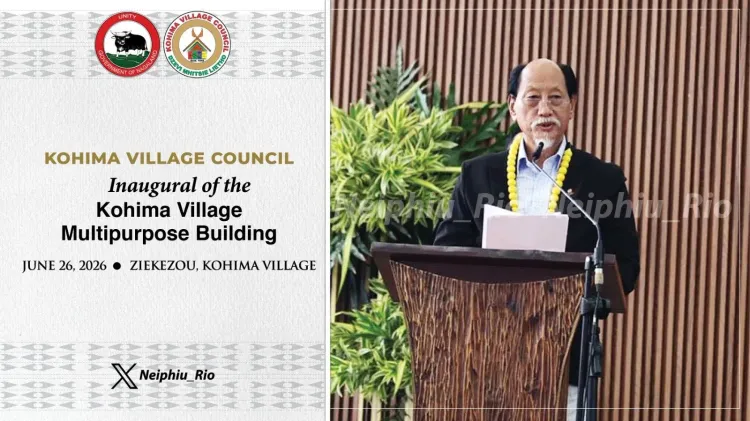
Nagaland Chief Minister Neiphiu Rio on June 26, 2026 spotlighted a village-built community hall designed for all Naga tribes — not just its home village — as a permanent space for cultural celebration, heritage preservation, and inter-community dialogue, reflecting the state's long-standing push for tribal unity.
Key Takeaways
Chief Minister Neiphiu Rio publicly endorsed a village-built community hall in Nagaland on June 26, 2026 .
The hall was described as built 'not just for the Village but for all communities' — an explicitly inclusive mandate set by the village itself.
The space is intended for cultural celebration, preservation of Naga traditions, and deliberation on matters of common interest.
Nagaland's Article 371A protections underpin the state's emphasis on customary laws and cultural infrastructure at the village level.
The initiative aligns with Nagaland's broader policy of supporting grassroots cultural spaces alongside the annual Hornbill Festival , launched in 2000 .
Village councils and Naga tribal bodies are the primary stakeholders who stand to benefit from the new communal venue.
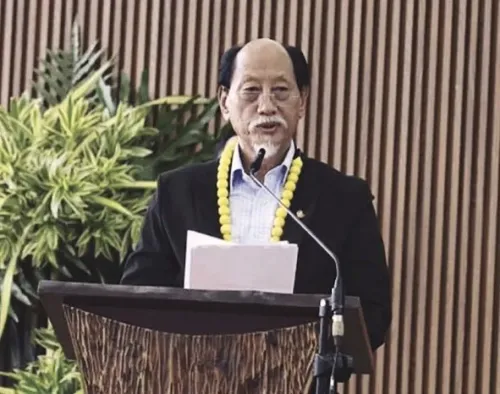
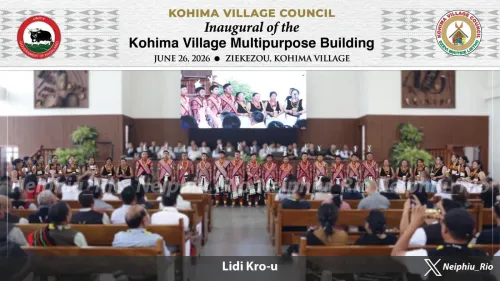
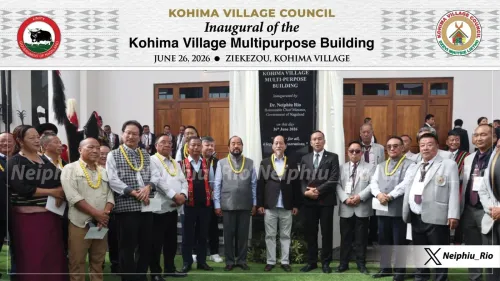
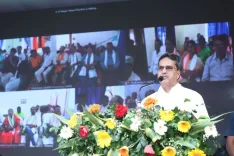
Nagaland Chief Minister Neiphiu Rio on Friday, June 26, 2026, shared remarks at the inauguration of a community hall built by a Naga village, underscoring that the space was conceived as a shared resource for all communities across the state.
Quoting the vision behind the hall's construction, Rio said: 'This Hall, as envisioned by the Village, is built not just for the Village but for all communities. It is a space for all Nagas and every community to celebrate our heritage, preserve our traditions and culture, and deliberate on matters of common interest.'
Context
The statement reflects a broader ethic of inter-tribal solidarity that has long defined public life in Nagaland, a northeastern Indian state home to multiple Naga tribes. The hall, built at the initiative of a village council, was framed from the outset as a communal rather than parochial project — a distinction Rio chose to highlight publicly.
Such community infrastructure sits alongside formal state institutions and customary governance bodies, both of which remain central to how Nagaland administers local affairs under the special protections of Article 371A of the Constitution, which safeguards Naga customary laws and cultural practices.
Policy Backdrop
Nagaland has a documented history of supporting village-level cultural spaces as instruments of tribal identity and inter-community dialogue. The state's flagship Hornbill Festival, launched in 2000, was itself conceived to promote inter-tribal unity and showcase indigenous Naga heritage to a wider audience.
Village-built halls of this kind complement that state-sponsored effort by creating permanent, locally rooted venues for cultural expression and deliberation — spaces that function year-round rather than only during annual festivals. Nagaland governments across terms have encouraged such grassroots cultural infrastructure as part of balancing modernisation with the preservation of distinct ethnic identities.
Stakeholders and Impact
The primary beneficiaries are the Naga tribes and village councils whose customary governance structures rely on communal gathering spaces for both ceremonial and deliberative functions. By framing the hall as open to 'every community', the village council and Chief Minister Rio signal an intent to use the space as a bridge across tribal lines rather than a marker of any single group's identity.
Cultural practitioners, youth groups, and inter-tribal bodies stand to benefit from a dedicated venue for heritage events, traditional performances, and community consultations — functions that are otherwise dispersed across informal or temporary spaces.
What's Next
The inauguration adds to a quiet but steady expansion of community cultural infrastructure in Nagaland. Observers will watch whether similar village-initiated projects receive state recognition or support, and how the hall is integrated into preparations for future editions of the Hornbill Festival. Rio's public endorsement of the hall's inclusive vision may also encourage other village councils to adopt a similar open-access model for community spaces they build or plan.
Point of View
He reinforces the NDPP government's positioning as a custodian of Naga unity without making a divisive or partisan claim. The move also fits a Northeast-wide pattern in which state leaders use cultural infrastructure to build soft consensus across ethnic lines, particularly at moments when formal political negotiations are slow-moving. The hall's inclusive mandate, if sustained in practice, could serve as a quiet template for how village councils in Nagaland design community spaces going forward.
NationPress
25 Sept 2026
Frequently Asked Questions
What did Nagaland CM Neiphiu Rio say about the new community hall?
CM Rio stated that the hall was 'built not just for the Village but for all communities' and is meant for all Nagas to celebrate heritage, preserve culture, and deliberate on matters of common interest.
Where is the community hall that Neiphiu Rio inaugurated in 2026?
The specific location of the hall has not been officially confirmed in public records; CM Rio shared remarks about it on June 26, 2026 in the context of a village-initiated project in Nagaland .
What is Article 371A and why does it matter for Nagaland's cultural spaces?
Article 371A of the Indian Constitution grants Nagaland special protections for Naga customary law, land rights, and cultural practices, giving constitutional backing to community spaces and village council authority over cultural matters.
What is the Hornbill Festival and how does it relate to Naga cultural infrastructure?
The Hornbill Festival , launched in 2000 , is Nagaland's flagship annual event promoting inter-tribal unity and indigenous heritage; village-level community halls complement it by providing year-round permanent venues for cultural activity.
Who benefits from community halls built by Naga villages?
Naga tribal communities, village councils, cultural practitioners, and inter-tribal bodies all benefit, as such halls serve as permanent spaces for ceremonies, traditional performances, and customary deliberation.