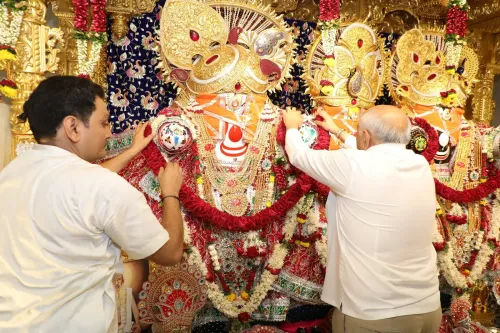
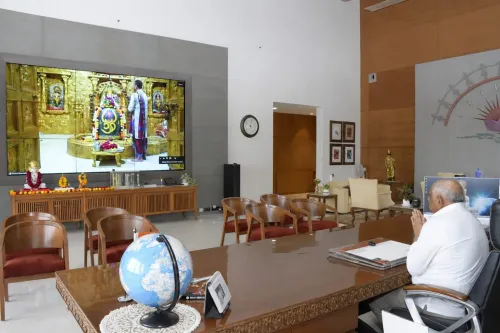
CM Bhupendra Patel joins BAPS temple consecration in Morbi
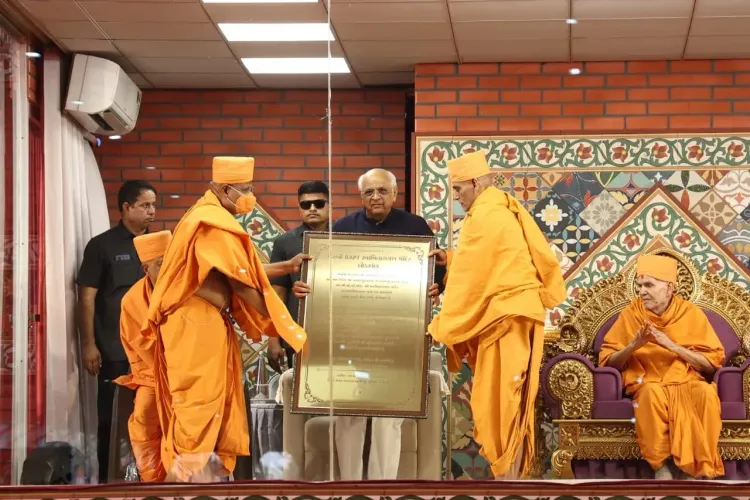
Synopsis
Gujarat Chief Minister Bhupendra Patel participated in the BAPS Shri Swaminarayan Mandir consecration in Morbi, praising the Sanstha's role in cultural preservation and calling on devotees to support PM Modi's water-conservation and de-addiction campaigns.
Key Takeaways
Gujarat CM Bhupendra Patel attended the murti pratistha mahotsav of the BAPS Shri Swaminarayan Mandir in Morbi on 25 October 2026 .
He described BAPS temples as living symbols of sanskar , seva , and Indian culture — not merely places of worship.
The consecration carries the blessings of both the late Pramukh Swami Maharaj and the current head, Mahant Swami Maharaj .
Patel linked the event to PM Modi's cultural renaissance agenda, framing the temple as a vehicle for spiritual and civic values.
Devotees were called upon to support national campaigns on water conservation and de-addiction (nashamukti) .
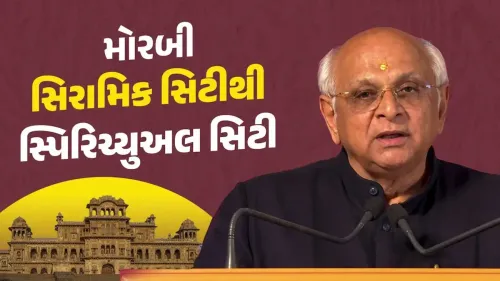
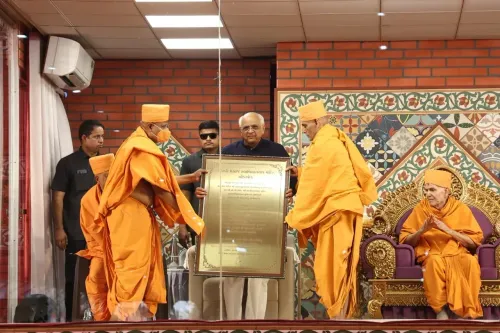
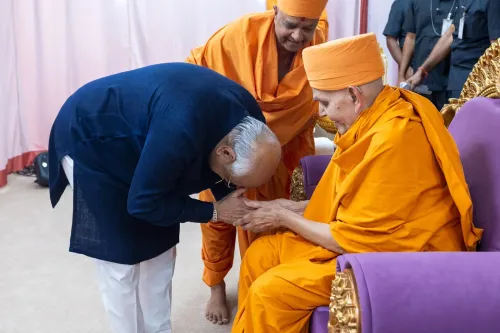
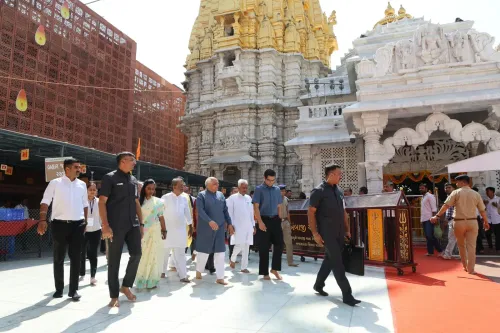
Faith, heritage, and community purpose converged in Morbi, Gujarat on Sunday, 25 October 2026, as Gujarat Chief Minister Bhupendra Patel participated in the murti pratistha mahotsav — the sacred consecration ceremony — of the BAPS Shri Swaminarayan Mandir, calling the occasion profoundly devotion-filled and spiritually significant.
A consecration rooted in BAPS's century-long mission
Bochasanwasi Akshar Purushottam Swaminarayan Sanstha (BAPS) is one of India's most expansive Hindu organisations, having constructed over 1,000 temples worldwide under the guidance of the late Pramukh Swami Maharaj. The Morbi temple joins that global network as more than a house of worship. CM Patel described BAPS temples as 'living symbols of sanskar (character), seva (service), and Indian culture' — not merely places of ritual prayer.
The consecration carries the blessings of both Pramukh Swami Maharaj, whose vision shaped the modern BAPS movement, and Mahant Swami Maharaj, the current spiritual head who continues that legacy. Patel credited these sanskardhams — centres of values — with making a meaningful contribution to the shaping of Gujarat's society.
Morbi's temple and the cultural revival narrative
Morbi, an industrial city on Gujarat's Saurashtra coast best known for its ceramics trade, now hosts a landmark that Chief Minister Patel framed within a larger national story. He invoked Prime Minister Narendra Modi's leadership as the driving force behind India's cultural renaissance, arguing that the newly consecrated temple will 'instil virtue and spiritual awakening in generations to come.'
The framing is deliberate and well-established: since 2014, the BJP-led central government has actively linked temple-building and heritage participation to broader nation-building goals. BAPS events provide a natural forum for that message — the organisation's credibility in social service giving political attendance a meaning beyond ceremony.
Jal sanrakshan and nasha mukti: a temple stage for national campaigns
CM Patel did not stop at spiritual praise. Addressing the gathered haribhakts (devotees), he issued a direct appeal: translate Prime Minister Modi's national resolve on water and nature conservation (jal-prakriti sanrakshan) and de-addiction (nashamukti) into action. The move follows a recognisable pattern of using high-attendance religious gatherings to amplify government campaigns on public health and environmental stewardship — reaching communities that a policy circular never could.
For BAPS, whose own social-service programmes have long run alongside its temple network, the alignment with jal sanrakshan messaging is natural rather than imposed. The Sanstha's emphasis on seva makes it a credible messenger for civic responsibility.
A temple consecrated today in Morbi carries a mandate that extends well beyond its walls — and Gujarat's Chief Minister made certain the devotees gathered there knew it.
Point of View
Patel reinforces the BJP's claim to the mantle of Hindu civilisational renewal ahead of potential state-level electoral cycles. The embedding of water conservation and de-addiction appeals within a devotional event signals a maturing of campaign strategy: governance priorities gain moral authority when delivered from a sacred platform rather than a podium.
NationPress
25 Oct 2026
Frequently Asked Questions
What is the BAPS murti pratistha mahotsav in Morbi?
It is the sacred consecration ceremony of the BAPS Shri Swaminarayan Mandir in Morbi, Gujarat , during which divine idols are ritually installed in the temple. Gujarat CM Bhupendra Patel attended the event on 25 October 2026 .
Who is Mahant Swami Maharaj?
Mahant Swami Maharaj is the current spiritual head of BAPS Swaminarayan Sanstha , continuing the legacy of the late Pramukh Swami Maharaj who guided the construction of over 1,000 temples worldwide.
What is BAPS and why does the Gujarat government support it?
BAPS (Bochasanwasi Akshar Purushottam Swaminarayan Sanstha) is a global Hindu organisation renowned for temple construction, education, and social service. Its deep roots in Gujarat and its credibility in community welfare make it a natural partner for state-level cultural and civic campaigns.
What national campaigns did CM Patel promote at the Morbi BAPS event?
CM Patel called on devotees to support PM Modi's national campaigns on water and nature conservation ( jal-prakriti sanrakshan ) and de-addiction ( nashamukti ) , using the high-attendance religious gathering as a platform for civic messaging.
Where is Morbi located in Gujarat?
Morbi is an industrial city in Gujarat's Saurashtra region, widely known for its ceramics and tiles manufacturing industry, and now also home to the newly consecrated BAPS Shri Swaminarayan Mandir.