CM Bhupendra Patel joins Swachhata drive at Ghuma village lake
Synopsis
Gujarat Chief Minister Bhupendra Patel joined a community cleanliness shramdaan at the Ghuma village lake in Ahmedabad under the Seva Sankalp Abhiyan, urging every citizen to make cleanliness an ingrained social value and tagging PM Modi in his Gujarati post.
Key Takeaways
CM Bhupendra Patel personally participated in a Swachhata Abhiyan shramdaan at the Ghuma village lake near Ahmedabad .
The event was held under the Seva Sankalp Abhiyan , a BJP-linked campaign combining service, resolve, and dedication.
Patel used the Gujarati concepts of 'swabhav' (innate nature) and 'sanskār' (ingrained values) to frame cleanliness as a cultural norm, not just a policy goal.
The post tagged Prime Minister Narendra Modi , explicitly linking the state drive to the national Swachh Bharat Mission launched in 2014 .
Patel declared that cleanliness is becoming 'janswabhav' — the people's own nature — and pledged it would remain so.
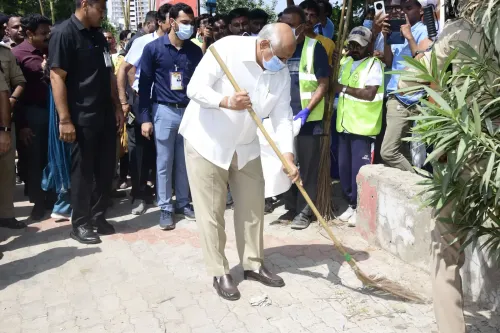
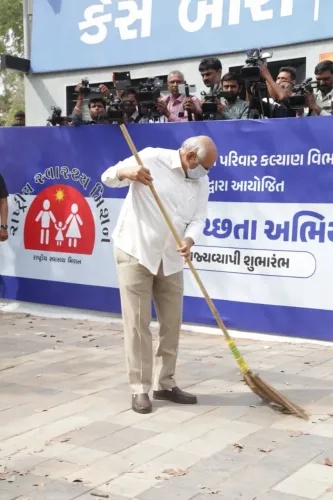
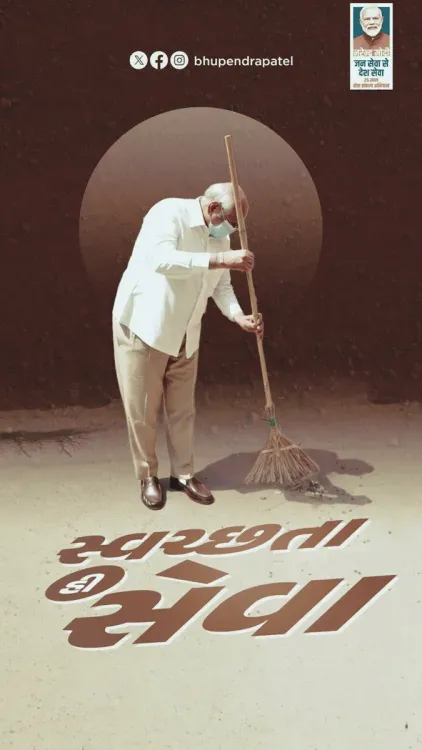
Broom in hand, not behind a desk — Gujarat Chief Minister Bhupendra Patel stepped into the mud at the Ghuma village lake in Ahmedabad on Thursday, September 24, 2026, joining a community cleanliness drive under the Seva Sankalp Abhiyan and turning a political message into a visible act of shramdaan.
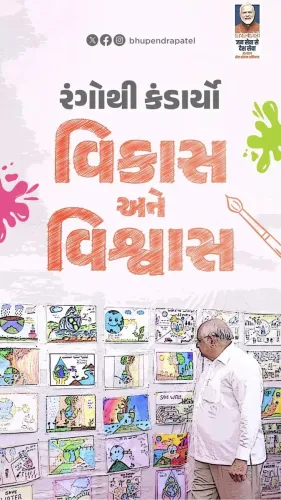
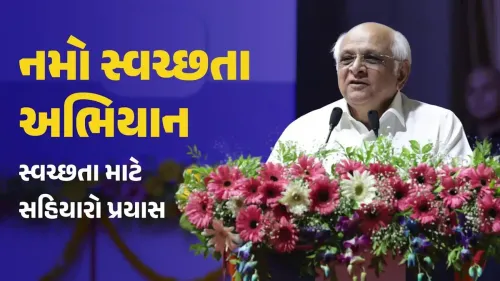
Posting in Gujarati on X and tagging Prime Minister Narendra Modi, Patel declared: 'Swachhata to aapna samaj no swabhav bani javo joie' — 'Cleanliness must become the very nature of our society, a part of our values.' He called on every citizen to resolve, collectively, that dirt simply will not be allowed — and promised that a clean Gujarat and a clean India would shine as a result.
Seva Sankalp Abhiyan and the Ghuma talav event
The Seva Sankalp Abhiyan — a BJP-linked campaign centred on service, resolve, and dedication — has been the vehicle for a series of on-ground activities across Gujarat. The Ghuma village lake, a local water body on the outskirts of Ahmedabad, became the day's focal point as volunteers and party workers joined the Chief Minister in manual labour. The imagery of a sitting CM doing shramdaan at a village talav carries deliberate weight: it frames cleanliness not as a government directive but as a shared social duty.
Swachh Bharat's long shadow over state-level drives
The philosophical language Patel used — 'swabhav' (innate nature) and 'sanskār' (ingrained values) — is not new to Indian public life. It echoes almost word-for-word the framing Prime Minister Narendra Modi has used since launching the Swachh Bharat Mission in 2014: that sanitation cannot be sustained by government alone, it must become a behavioural norm. Over more than a decade, state and central leaders have used periodic, high-visibility shramdaan events to reinforce that message and keep the mission from fading into bureaucratic routine. Gujarat's BJP leadership has been among the most consistent in aligning state-level optics with the central government's cleanliness narrative.
From campaign to 'janswabhav'
Patel's closing line carried the real signal: 'Swachhata hve janswabhav bani rahi chhe, ane banine j raheshe' — 'Cleanliness is now becoming the people's nature, and it will remain so.' That phrase, 'janswabhav,' marks an evolution in the political vocabulary around Swachh Bharat — a shift from claiming policy success to claiming cultural transformation. Whether the Swachh Survekshan rankings for Gujarat's urban and rural bodies in the coming cycle validate that claim will be worth watching. For now, a Chief Minister at a village lakeside, doing the sweeping himself, is the message.
Point of View
On-ground acts to keep the Swachh Bharat Mission politically alive at the state level. By invoking 'swabhav' and 'sanskār,' Patel aligns himself with the Prime Minister's long-standing strategy of reframing sanitation from a government scheme into a civilisational identity project. The timing ahead of Swachh Survekshan rankings also suggests a calculated attempt to reinforce Gujarat's cleanliness credentials in national rankings. The real test, however, is whether these high-visibility moments translate into sustained behavioural change in rural communities beyond the event day.
NationPress
24 Sept 2026
Frequently Asked Questions
What is the Seva Sankalp Abhiyan?
The Seva Sankalp Abhiyan is a BJP-linked campaign focused on service, resolve, and dedication, under which party leaders and workers organise community activities including cleanliness drives, shramdaan, and outreach events across India.
Where is Ghuma village lake that CM Patel visited?
Ghuma village and its talav (lake) are located on the outskirts of Ahmedabad , Gujarat's largest city, and served as the site for the community Swachhata Abhiyan event joined by Chief Minister Bhupendra Patel.
What is shramdaan and why do leaders do it?
Shramdaan means voluntary manual labour donated for a public cause — sweeping, cleaning, or construction work done without payment. Leaders participate to visibly reinforce civic messages, particularly around cleanliness under the Swachh Bharat Mission.
What is the Swachh Bharat Mission and when was it launched?
The Swachh Bharat Mission is a national sanitation and cleanliness initiative launched by Prime Minister Narendra Modi on October 2, 2014 , aimed at making India open-defecation free and building a mass culture of cleanliness.
What is Swachh Survekshan and does it affect Gujarat?
Swachh Survekshan is an annual national cleanliness survey that ranks Indian cities and towns on sanitation, waste management, and open-defecation-free status. Gujarat's urban and rural bodies regularly compete in the rankings, making state-level drives like this one directly relevant to Gujarat's standing.