CM Bhupendra Patel Launches Namo Swachhata Abhiyan Across Gujarat
Synopsis
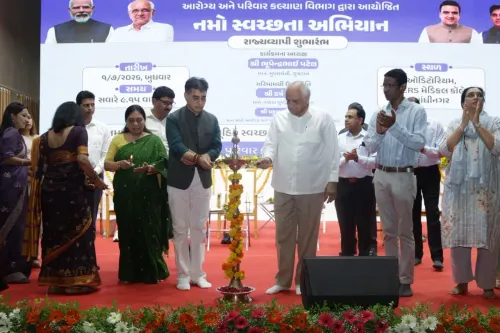
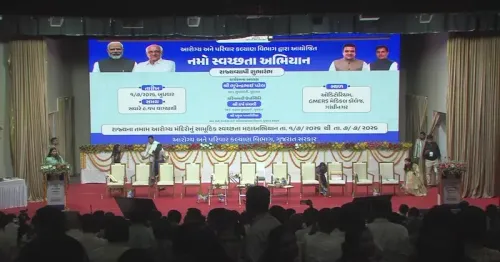
Chief Minister Bhupendra Patel on 1 July 2026 launched 'Namo Swachhata Abhiyan' from Gandhinagar Civil Hospital, a week-long cleanliness drive covering all 12,000 public health institutions in Gujarat, organised by the state Health and Family Welfare Department with Health Minister Prafulbhai Panseria in attendance.
Key Takeaways
CM Bhupendra Patel launched the Namo Swachhata Abhiyan on 1 July 2026 from Gandhinagar Civil Hospital .
The campaign runs from 1 to 7 July 2026 across all 12,000 public health institutions in Gujarat.
The drive is organised by the Department of Health and Family Welfare , with Health Minister Prafulbhai Panseria present at the launch.
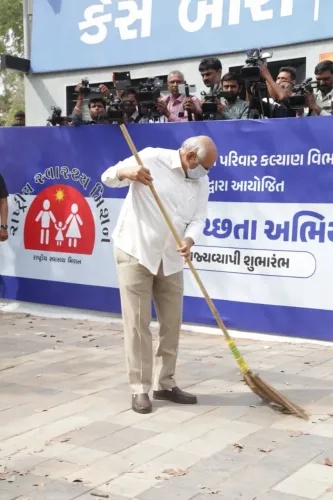
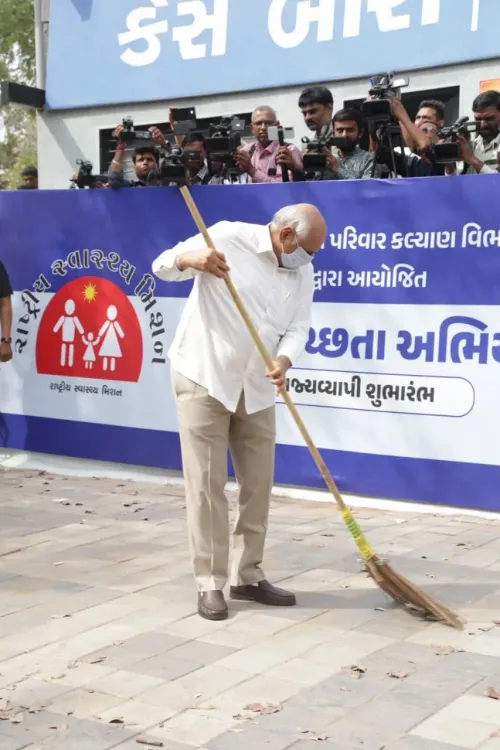
The CM and other dignitaries performed shramdaan (voluntary labour) at the Civil Hospital premises as a symbolic gesture.
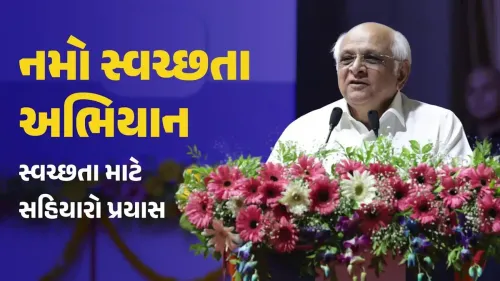
The campaign promotes the 'Swachh Gujarat, Swasth Gujarat' slogan, framing cleanliness as a civic and moral responsibility.
The initiative extends Gujarat's alignment with the national Swachh Bharat Mission framework to the state's public health sector.
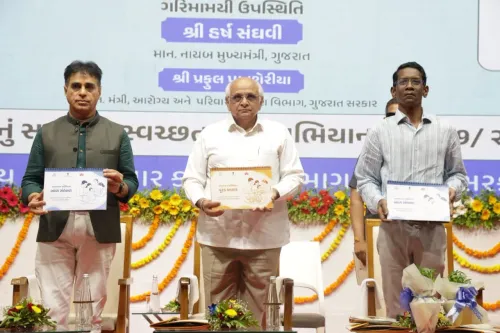
The Chief Minister's Office of Gujarat announced on Wednesday, 1 July 2026 that Chief Minister Bhupendra Patel launched the 'Namo Swachhata Abhiyan' — a week-long mass cleanliness drive — from Gandhinagar Civil Hospital, marking the start of a campaign that will run across all 12,000 public health institutions in the state from 1 to 7 July. The drive is organised by the Department of Health and Family Welfare and was inaugurated in the presence of Health Minister Prafulbhai Panseria and other dignitaries.
Context
The Chief Minister, along with other dignitaries, participated in shramdaan (voluntary labour) in the premises of Gandhinagar Civil Hospital as part of the launch event. The campaign's guiding message — 'Swachh Gujarat, Swasth Gujarat' ('Clean Gujarat, Healthy Gujarat') — frames cleanliness as a moral and civic responsibility, not merely an administrative directive. Citizens were urged to internalise hygiene as an ethical duty and join the effort across their localities.
The post from the official Chief Minister's Office account quoted the occasion as one where senior officials set an example by physically participating in cleaning activities, a symbolic gesture aimed at galvanising public participation statewide.
Policy Backdrop
The Namo Swachhata Abhiyan is rooted in the national Swachh Bharat Mission, launched in 2014, which set cleanliness and sanitation in public institutions — including hospitals — as a central governance priority. Gujarat has periodically aligned state-level health drives with this national framework, focusing on hygiene improvements in government facilities to reduce hospital-acquired infections and improve patient experience.
Campaigns of this nature in Gujarat have historically emphasised shramdaan and treat public hygiene as a collective civic duty, often timed around health observance weeks. The current drive follows this established pattern of extending central sanitation goals to the health sector at scale.
Stakeholders and Impact
The campaign directly involves staff and administration at all 12,000-odd public health institutions across Gujarat, ranging from primary health centres in rural areas to large district and civil hospitals. For ordinary citizens and patients, a sustained cleanliness drive in these facilities can translate into lower infection risks and improved hygiene standards in spaces they depend on most.
Health Minister Prafulbhai Panseria's presence at the launch signals strong departmental ownership of the initiative. The breadth of the campaign — spanning every public health facility in the state simultaneously — marks it as one of the more ambitious coordinated sanitation efforts the state health department has undertaken.
What's Next
The Namo Swachhata Abhiyan will continue through 7 July 2026, with activities expected at each of the participating institutions across all districts. Participation metrics, hygiene audit results, and any follow-up state health department reports on sustained improvements will be key indicators of the campaign's real-world impact beyond the launch event.
If the initiative succeeds in embedding cleanliness protocols as routine practice rather than a one-week exercise, it could set a replicable model for other states seeking to align local health infrastructure with national sanitation benchmarks.
Point of View
000 public health facilities in Gujarat in a single week is a notably ambitious logistical signal, reflecting the state government's intent to demonstrate scale and political will on health infrastructure hygiene. By personally performing shramdaan at the launch venue, CM Bhupendra Patel is employing a well-worn but effective tool of participatory governance — symbolic leadership that is designed to cascade into institutional behaviour. The campaign also reinforces Gujarat's positioning as a model state for implementing central government priorities at the ground level, building on its long association with the Swachh Bharat Mission. Whether the week-long drive translates into durable hygiene practices or remains a periodic ceremonial exercise will be the real test of its policy value.
NationPress
1 Jul 2026
Frequently Asked Questions
What is Namo Swachhata Abhiyan in Gujarat?
'Namo Swachhata Abhiyan' is a week-long mass cleanliness drive launched by the Gujarat government's Health and Family Welfare Department, running from 1 to 7 July 2026 across all 12,000 public health institutions in the state.
Who launched the Namo Swachhata Abhiyan?
Chief Minister Bhupendra Patel launched the campaign on 1 July 2026 from Gandhinagar Civil Hospital, in the presence of Health Minister Prafulbhai Panseria and other dignitaries.
How many hospitals are covered under Namo Swachhata Abhiyan?
The campaign covers approximately 12,000 public health institutions across Gujarat, ranging from primary health centres to large civil and district hospitals.
What does 'Swachh Gujarat, Swasth Gujarat' mean?
'Swachh Gujarat, Swasth Gujarat' translates to 'Clean Gujarat, Healthy Gujarat' and is the state government's guiding slogan linking hygiene in public institutions to better health outcomes for citizens.
Is Namo Swachhata Abhiyan linked to Swachh Bharat Mission?
Yes, the campaign is aligned with the national Swachh Bharat Mission launched in 2014, extending its sanitation and hygiene goals specifically to Gujarat's public health infrastructure.