CM Bhupendra Patel Launches PM eBus Sewa in Gandhinagar
Synopsis
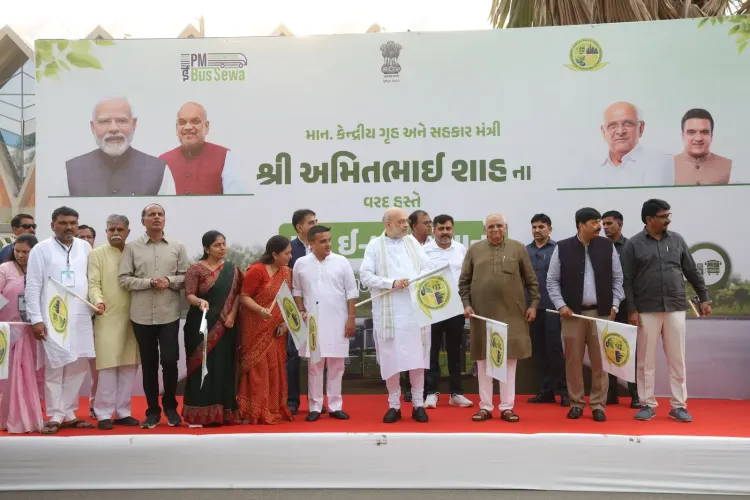
Gujarat CM Bhupendra Patel announced the launch of PM eBus Sewa in Gandhinagar on 28 June 2026, inaugurated by Home Minister Amit Shah. Gandhinagar gets 100 e-buses, with 40 AC buses rolling out on 18 routes in phase one, backed by Rs 17 crore in depot and charging infrastructure under the Rs 57,613 crore national scheme.
Key Takeaways
PM eBus Sewa was launched in Gandhinagar on 28 June 2026 by Union Home Minister Amit Shah .
The scheme carries a nationwide budget of Rs 57,613 crore .
Gandhinagar has been allocated 100 electric buses ; 40 AC buses will operate in phase one across 18 routes .
Supporting infrastructure worth Rs 17 crore — including a depot, charging stations, and an Operational Control System — has been commissioned.
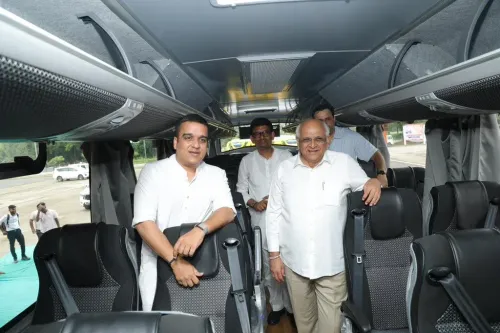
Buses feature hydraulic ramps for Divyang passengers , reserved seats for women and senior citizens, and ETM cashless ticketing .
The remaining 60 buses from Gandhinagar's allocation are to be deployed in subsequent phases.
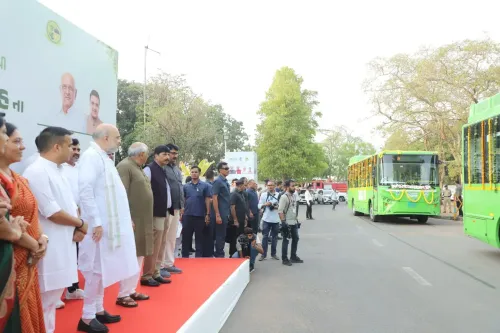
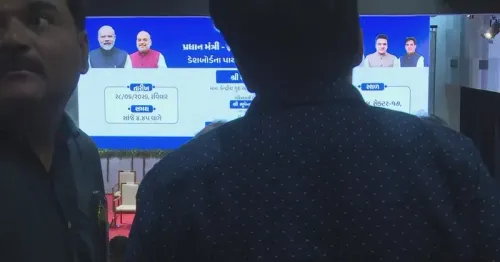
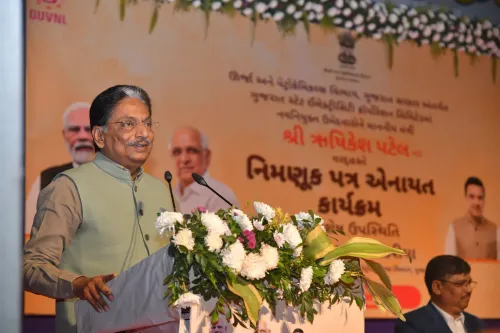
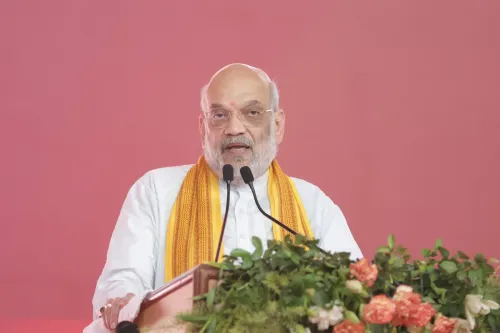
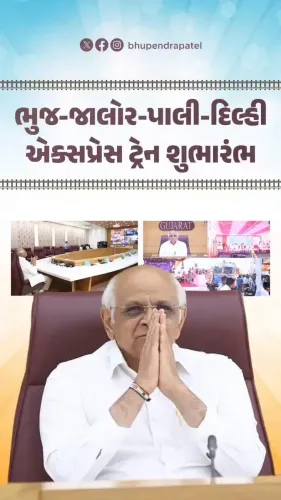
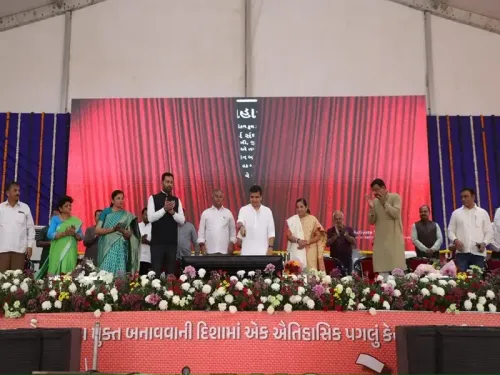
Gujarat Chief Minister Bhupendra Patel on Sunday, 28 June 2026 announced the launch of the PM eBus Sewa scheme in Gandhinagar, marking what he called a 'new sunrise of pollution-free, hi-tech transport' for the state capital. The scheme, inaugurated by Union Home Minister Amit Shah under the guidance of Prime Minister Narendra Modi, carries a nationwide budget of Rs 57,613 crore.
Context
CM Patel's post, written in Gujarati, announced: 'ગાંધીનગરના આંગણે પ્રદૂષણ-મુક્ત હાઇટેક પરિવહનનો નવો સૂર્યોદય' ('A new sunrise of pollution-free, hi-tech transport at the doorstep of Gandhinagar'). The event marks the formal rollout of the central government's flagship electric bus programme in Gujarat's administrative capital. Amit Shah, who represents the Gandhinagar Lok Sabha constituency, presided over the inauguration.
Under the scheme, Gandhinagar has been allocated 100 electric buses in total. In the first phase, 40 air-conditioned e-buses will operate across 18 routes in the city, offering residents a cleaner and more modern commuting option.
Policy Backdrop
The PM eBus Sewa scheme is a centrally sponsored programme aimed at augmenting urban public transport through electric buses across cities that currently lack organised bus networks. With a total outlay of Rs 57,613 crore, the scheme targets hundreds of cities nationwide and is part of India's broader push toward decarbonising urban mobility.
To support operations in Gandhinagar, infrastructure worth Rs 17 crore has been commissioned, including a state-of-the-art depot, modern charging stations, and an Operational Control System (OCS) for real-time fleet management. The investment reflects the scheme's emphasis on building end-to-end electric transport ecosystems rather than merely procuring buses.
Stakeholders and Impact
The new fleet has been designed with inclusivity in mind. Each bus is equipped with hydraulic ramps for persons with disabilities (Divyang), and dedicated reserved seating for women and senior citizens. Passengers can also travel cashless using Electronic Ticketing Machines (ETM), aligning with the government's digital payments push.
For Gandhinagar — a planned city that has historically had limited public bus connectivity — the introduction of 100 AC electric buses represents a significant upgrade. Daily commuters, government employees, students, and tourists visiting the city's institutions stand to benefit directly from the expanded network across 18 routes.
What's Next
The current launch covers only the first phase of 40 buses; the remaining 60 buses from Gandhinagar's allocation are expected to be inducted in subsequent phases as charging and depot infrastructure scales up. Nationally, the PM eBus Sewa rollout is expected to continue across other cities, with state governments responsible for route planning and day-to-day operations under the central framework.
The Gandhinagar launch sets a visible benchmark for other Gujarat cities awaiting their own allocations under the scheme, and signals the state government's intent to position electric mobility as a core pillar of urban infrastructure ahead of future expansion.
Point of View
Lending the event high political visibility for the BJP ahead of any future electoral cycle in Gujarat. By anchoring the rollout in the state capital rather than a larger commercial city, the Centre and state government signal that administrative and tier-2 cities are priority beneficiaries of the electric mobility push — a message aimed squarely at urban middle-class voters who commute daily. The emphasis on Divyang access, women's reserved seating, and cashless ticketing also reflects the scheme's design to double as a social-inclusion narrative, not merely a green-energy one. Nationally, the Rs 57,613 crore outlay positions PM eBus Sewa as one of the largest urban transport interventions since the metro rail expansion era, and the pace of city-level rollouts will be a key performance indicator for the scheme's credibility.
NationPress
29 Jun 2026
Frequently Asked Questions
What is PM eBus Sewa and what is its budget?
PM eBus Sewa is a central government scheme to introduce electric buses in Indian cities that lack organised public bus services. It has a nationwide budget of Rs 57,613 crore .
How many e-buses will Gandhinagar get under PM eBus Sewa?
Gandhinagar has been allocated 100 electric buses in total. In the first phase, 40 AC e-buses will run on 18 routes across the city.
Who inaugurated PM eBus Sewa in Gandhinagar?
Union Home Minister Amit Shah inaugurated the scheme in Gandhinagar on 28 June 2026 , under the guidance of Prime Minister Narendra Modi .
What infrastructure has been set up for the Gandhinagar e-bus fleet?
Infrastructure worth Rs 17 crore has been commissioned, including a modern depot, charging stations, and an Operational Control System for real-time fleet management.
Are the new Gandhinagar e-buses accessible for disabled passengers?
Yes. Each bus is fitted with a hydraulic ramp for Divyang (persons with disabilities) passengers, reserved seats for women and senior citizens, and ETM machines for cashless ticketing.